
In September 2024, we completed a spectacular hike in Europe, crossing the stunning Julian Alps and reaching the summit of Mount Triglav (pronounced tɾiːɡlau̯), the highest mountain in Slovenia. You might be thinking, “Remind me where Slovenia is.” Well, officially, the Republic of Slovenia is in southern Europe and is bordered by Italy to the west, Austria to the north, Hungary to the northeast, Croatia to the south and southeast, and a short section of coastline within the Adriatic Sea.
| Day | Walking from / to | Miles | Ascent / Descent | Accommodations |
| 0 | Lake Bled Day Hike | 5.97 | 1,185′ / 1,174′ | Hotel Savica Garni, Bled |
| 1 | Lake Bled to Pokljuka High Plateau | 8.70 | 2,597′ / 2,336′ | Sports Centre Triglav Pokljuka |
| 2 | Pokljuka to Planika Hut | 7.64 | 4,174′ / 772′ | Planika Hut |
| 3 | Mount Triglav Summit Hike 9,395′ | 1.91 | 1,600′ / 1,600′ | |
| 3 | Planika Hut to Triglav Lakes Hut | 7.32 | 1,308′ / 3,614′ | Triglav Lakes Hut |
| 4 | Triglav Lakes Hut to Lake Bohinj | 11.16 | 1,123′ / 4,498′ | Hotel Jezero, Bohinj |
| Totals | 42.7 | 11,960′ / 13,994′ |
We flew into Ljubljana, the capital of Slovenia, and took a taxi to Lake Bled. Due to what we perceived as a significant language barrier, we decided to hire the Natural Adventure Company, based in London, to handle our accommodations, store our luggage while we hiked the trail, and provide a route app. They processed our booking but contracted with a local Slovenian tour operator, Helia, which we highly recommend. Once we arrived in Lake Bled, we communicated with the local Helia staff via WhatsApp and used the Guibo App while on the trail. This app received top ratings among all the tour provider apps we’ve used, thanks to its offline live mapping, tracking features, and comprehensive descriptions of each day’s itinerary.
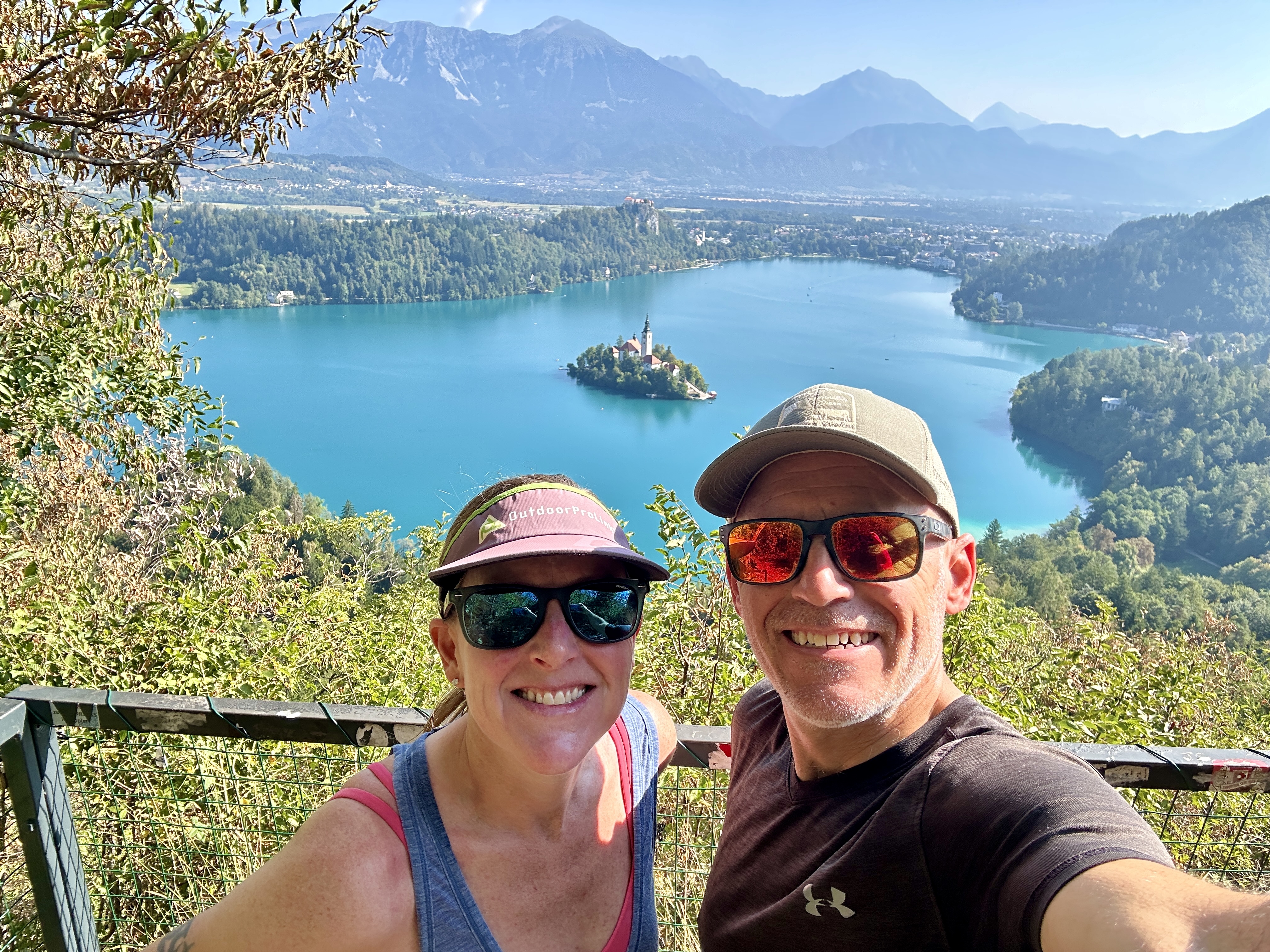
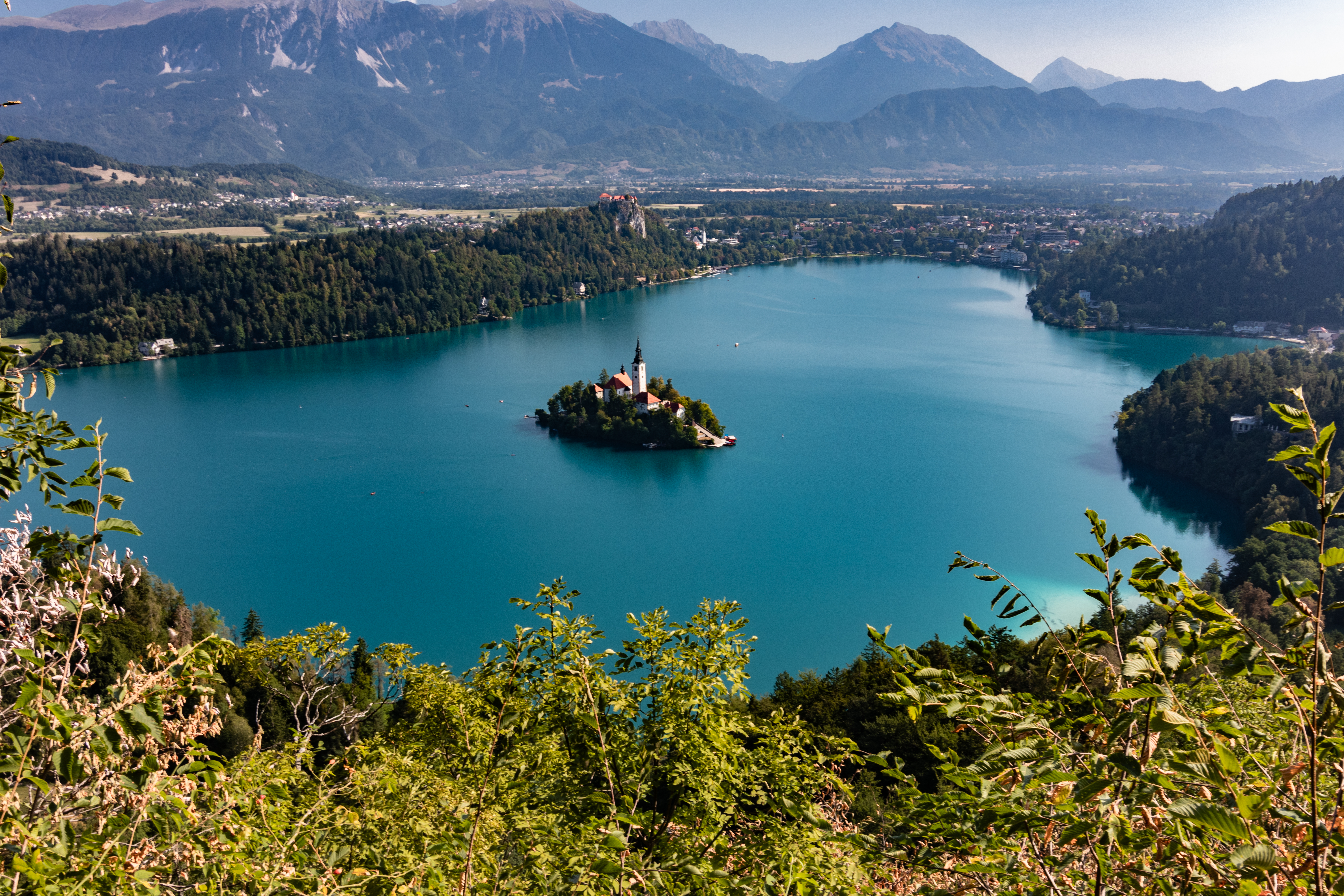
We spent an entire day in Lake Bled before starting our main hike. This gave us the opportunity to walk around the lake, hike up to the Mala Osojnica viewpoint, and visit Bled Castle. We initially booked a 6-day self-guided tour but decided to modify it. We included a climb up Mount Triglav and combined the last two days of hiking into one longer day. As a result, we skipped staying at a mountain hut and spent two nights at a hotel in Lake Bohinj instead.
On the first day of the hike, Helia picked us up at our hotel, took care of our luggage, and loaded us into a van. They then drove us to the Zgornje Gorje Krnica trailhead. From there, we began our journey to the first of several mountain huts, the Lipanska Hut, also known as Blejska Koča, where we stopped for lunch. After our meal, we continued hiking to the Kočji Rob pass and then descended to Rudno Polje, where we stayed at the Pokljunka Biathlon Centre for the night.
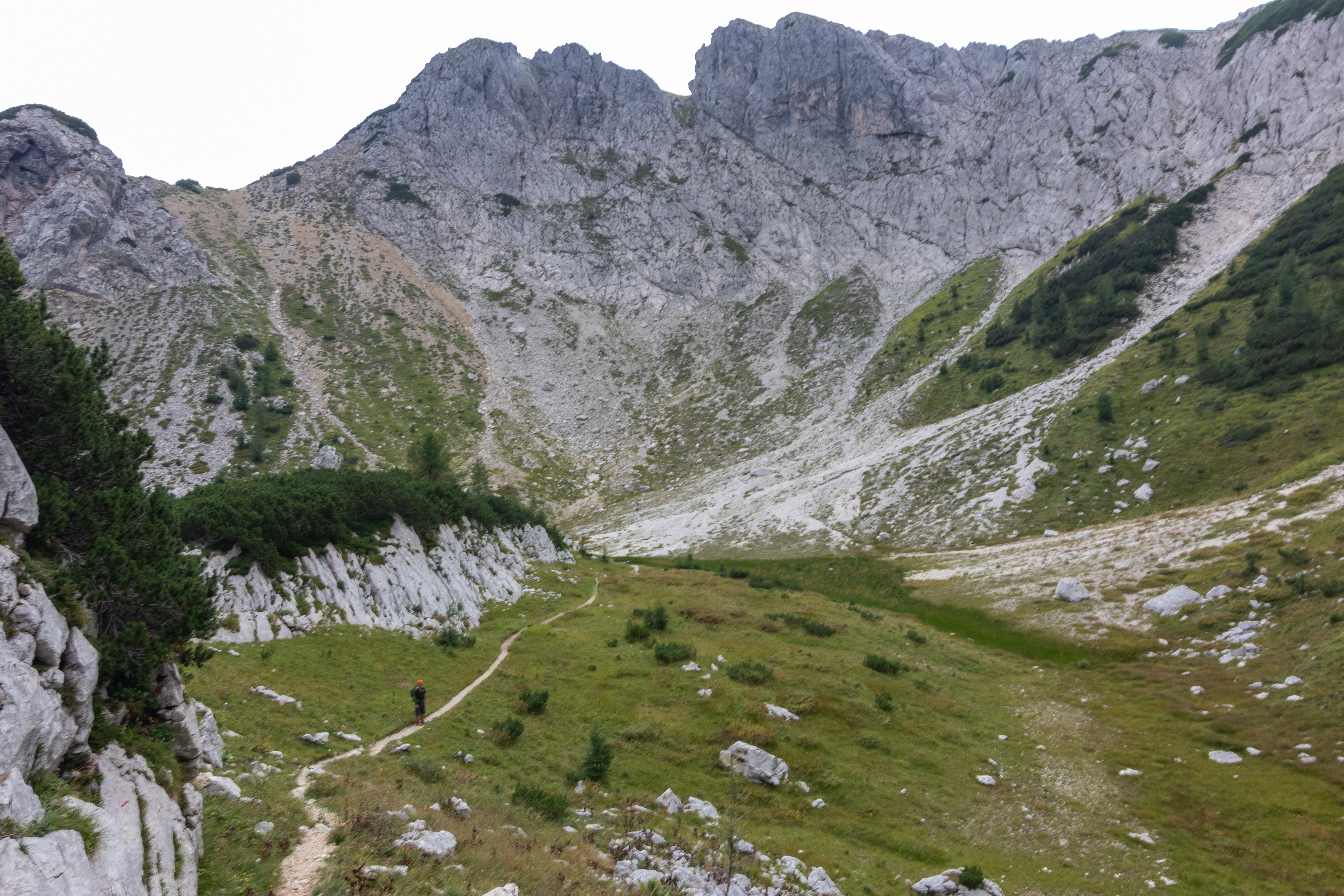
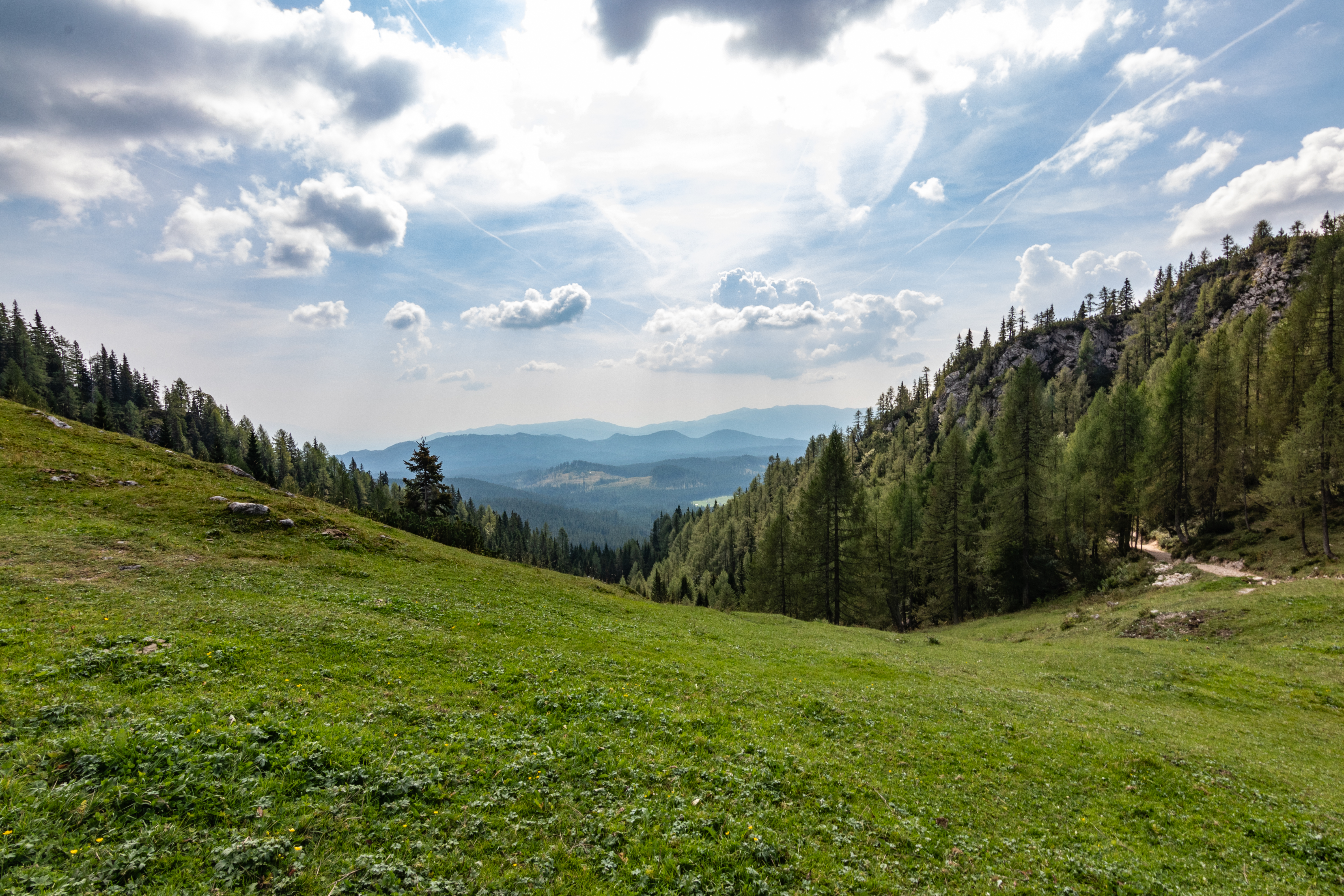
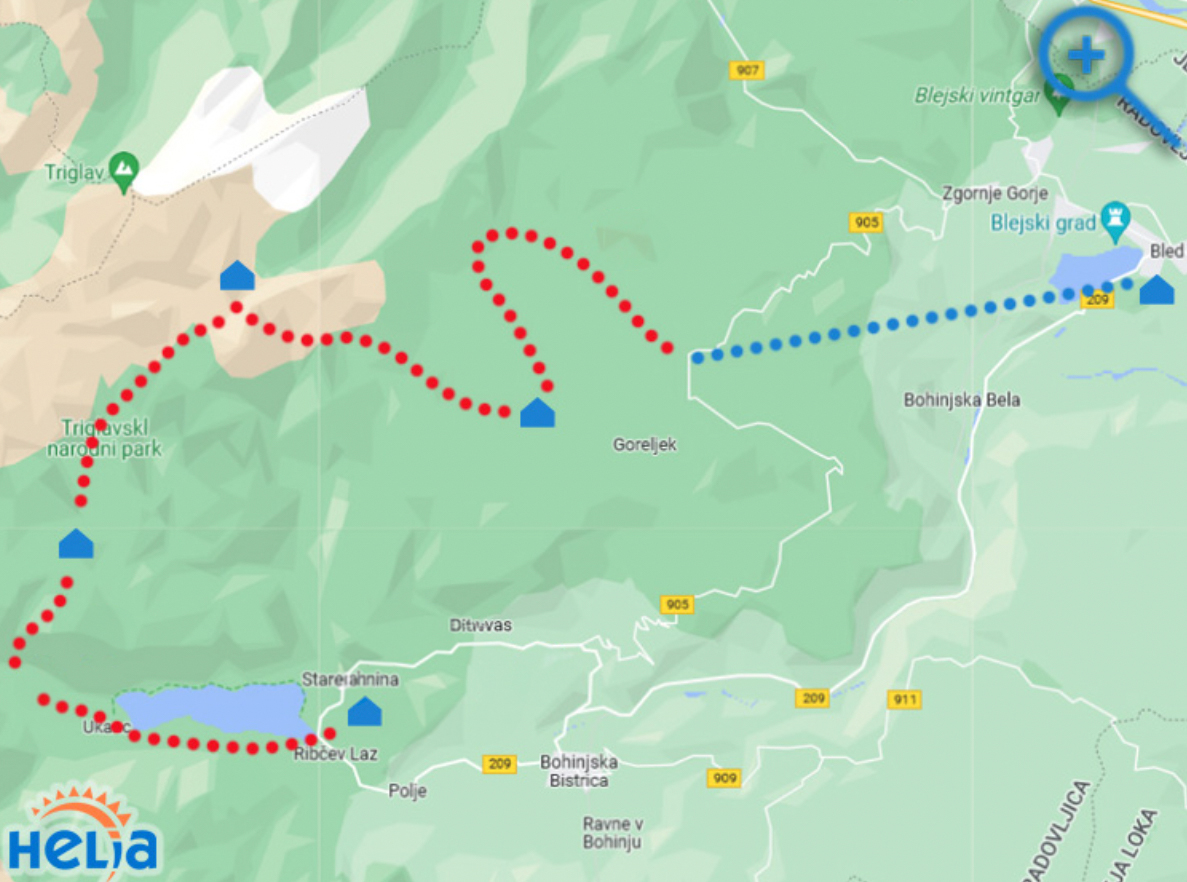

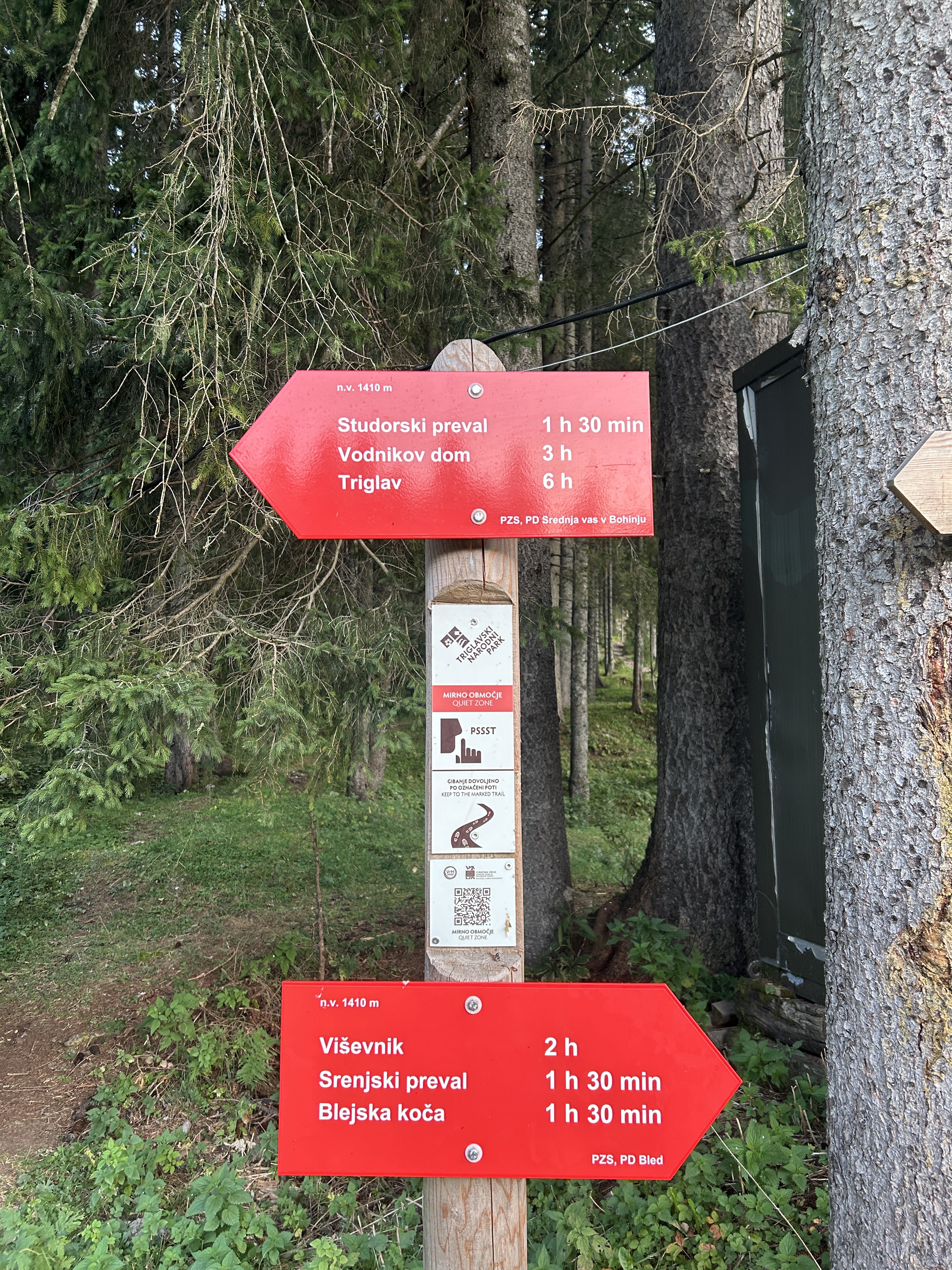
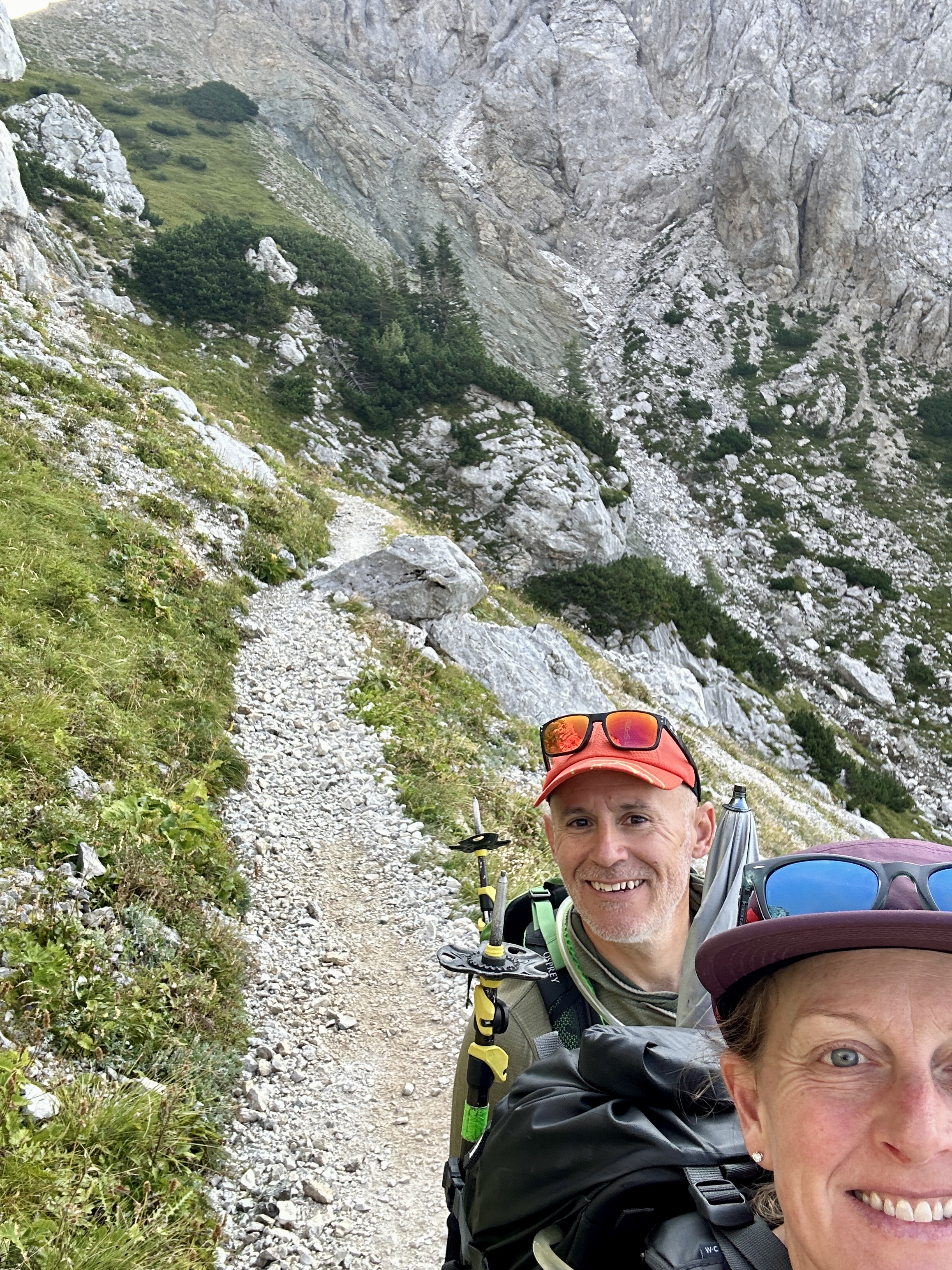
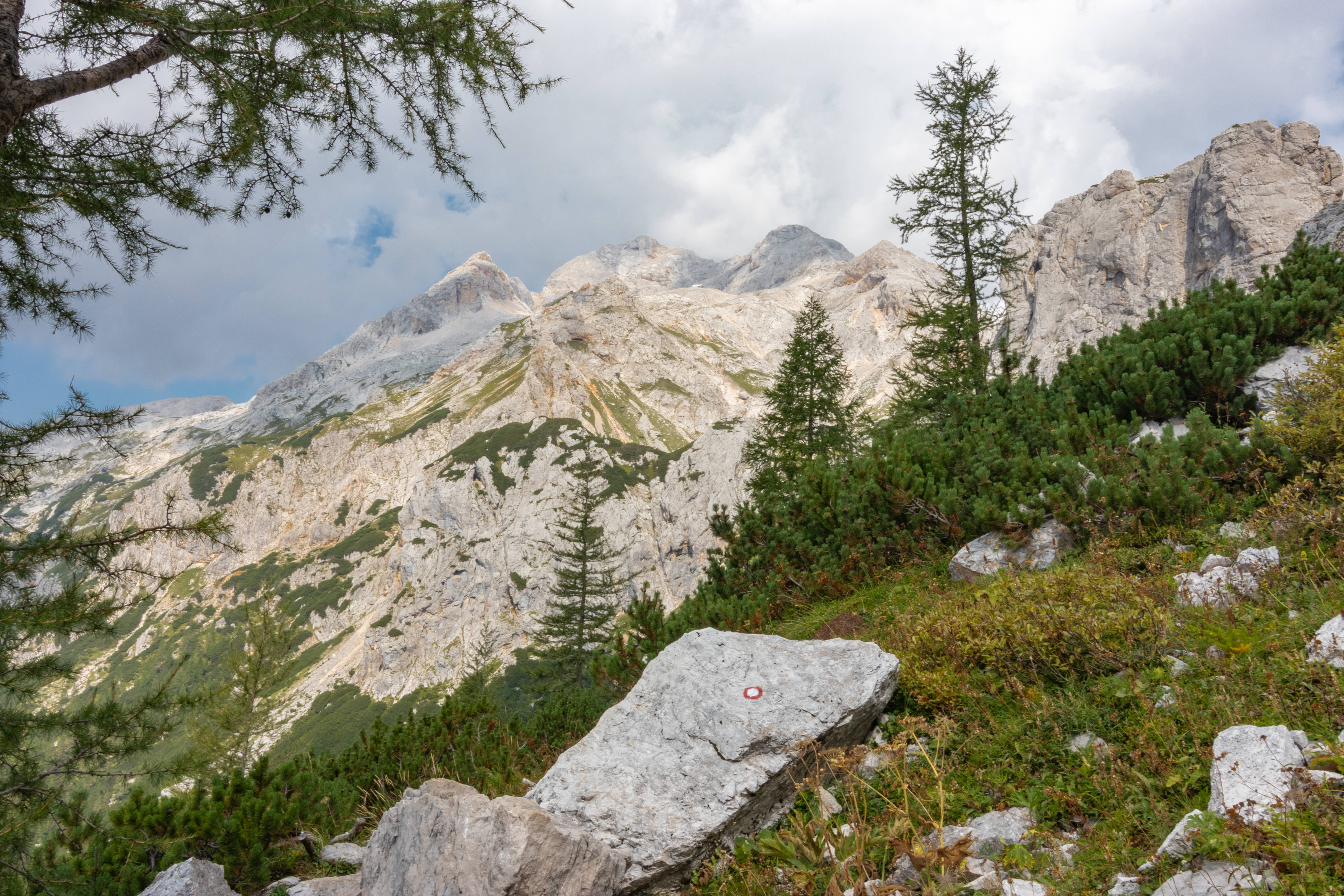
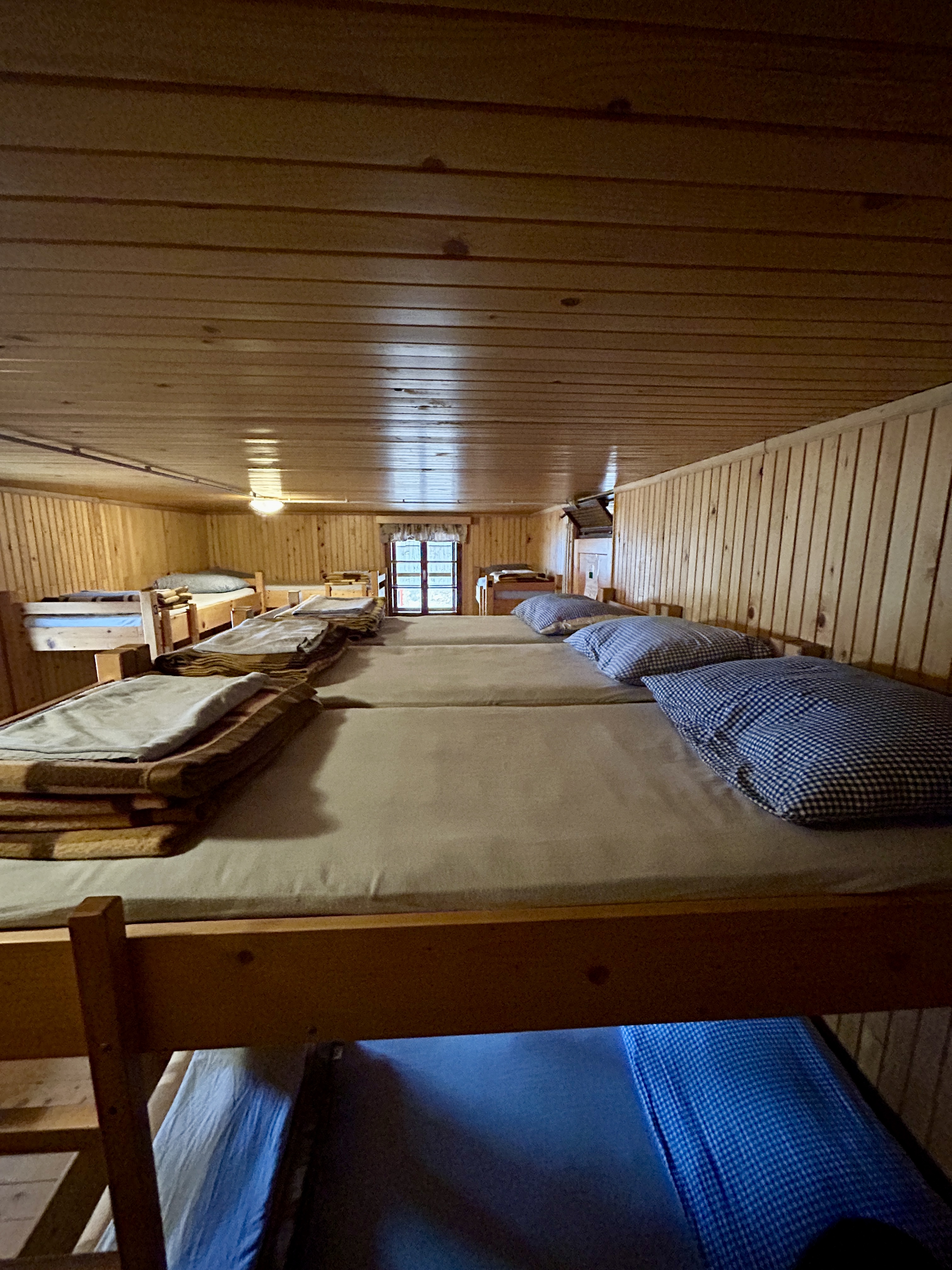
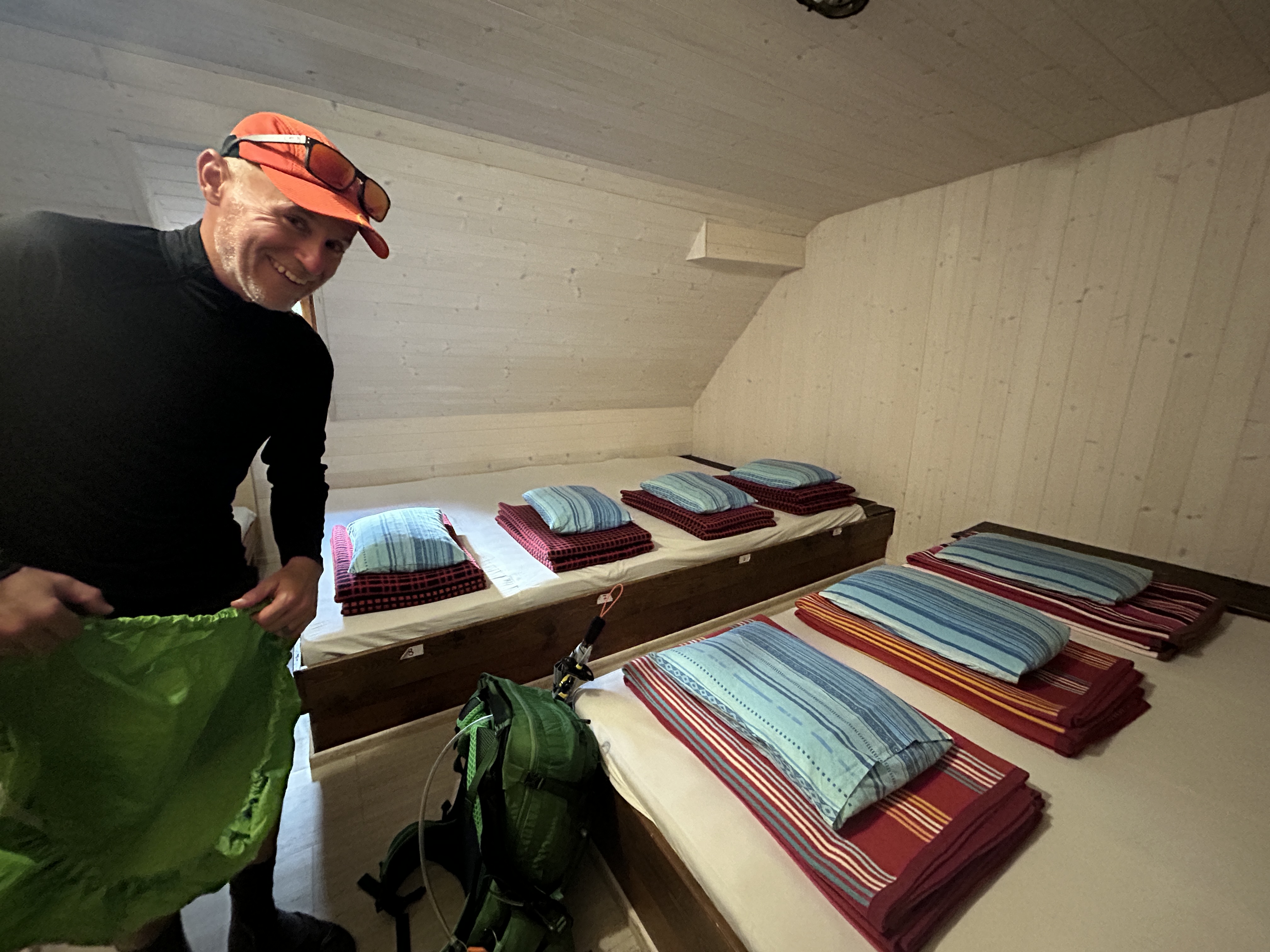
Day two of our hike took us into Triglav National Park and the Julian Alps. This was our most challenging day, with an elevation gain of 4,174 feet. We quickly ascended from the forest into the high alpine region, where we were greeted by a stunning view of Mount Triglav. For planning our route, we used two recommended resources from the staff at the Triglav Lakes Hut: an online map and the Triglav hiking guide from the Alpine Association of Slovenia. With these tools, along with the Guibo app, we had no trouble finding our way along the trails. When we arrived at Planika Hut, we were surprised to see how large and busy it was. The room we stayed in had bunks for 18 people, and it was completely full!
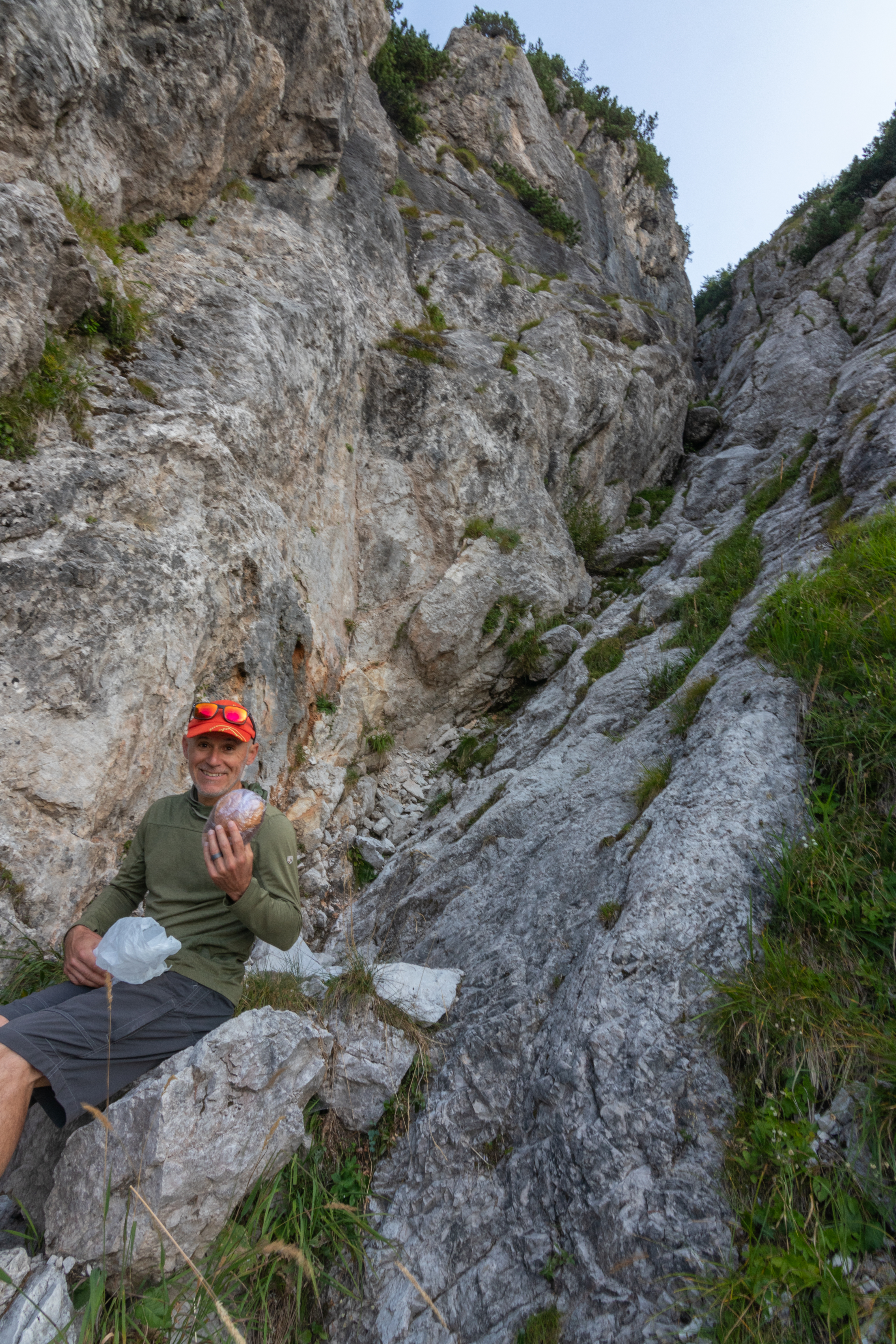
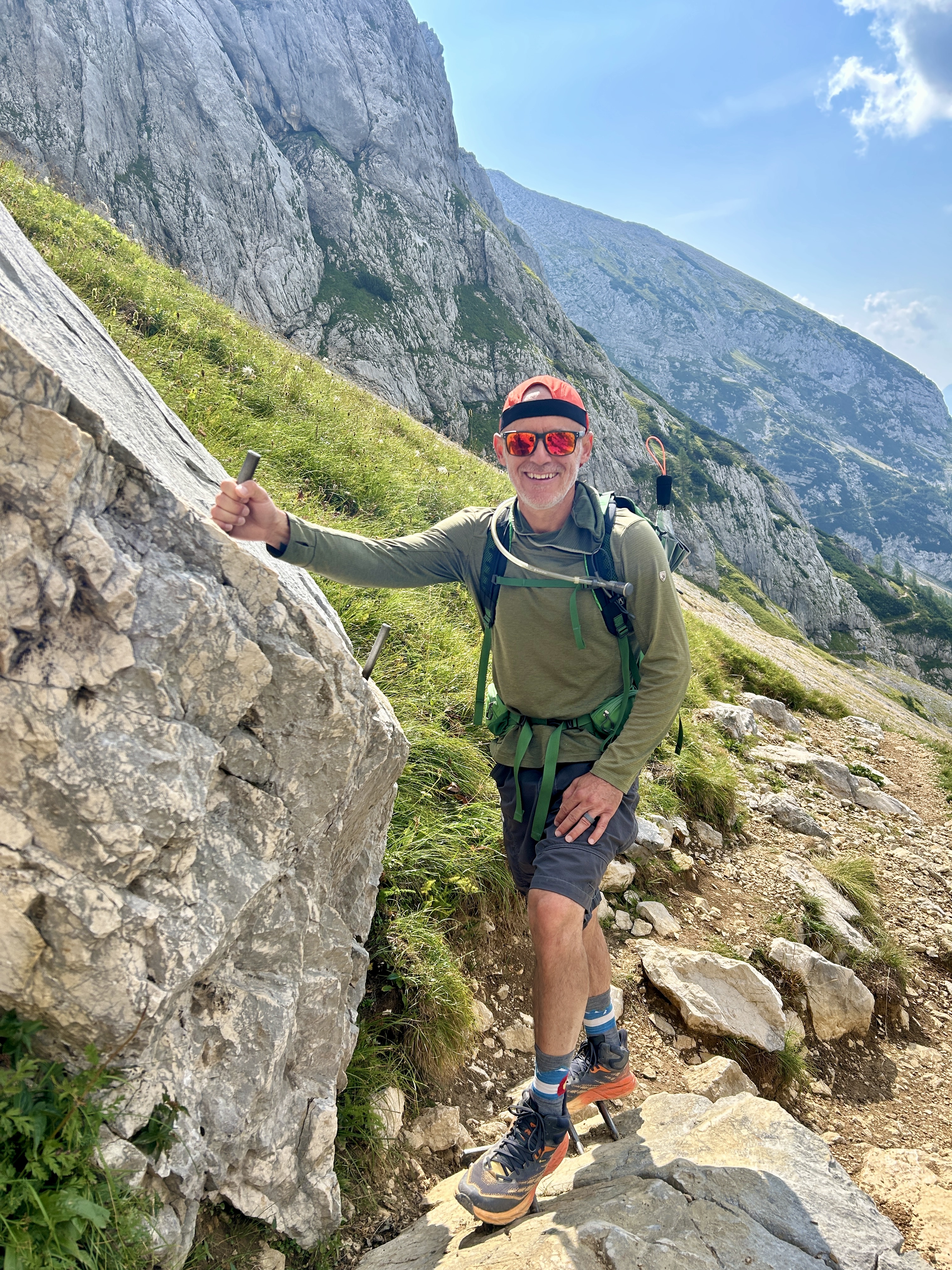


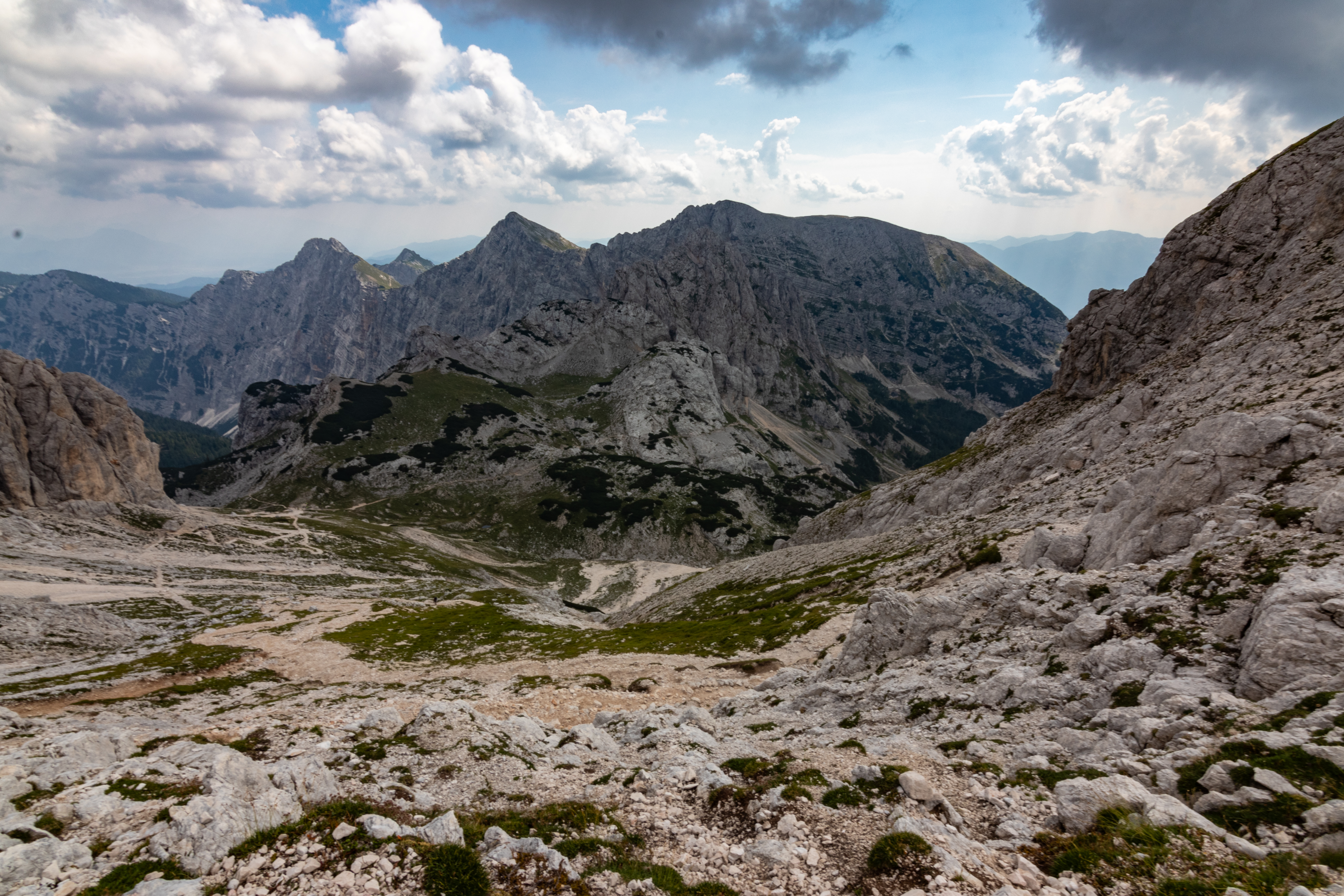
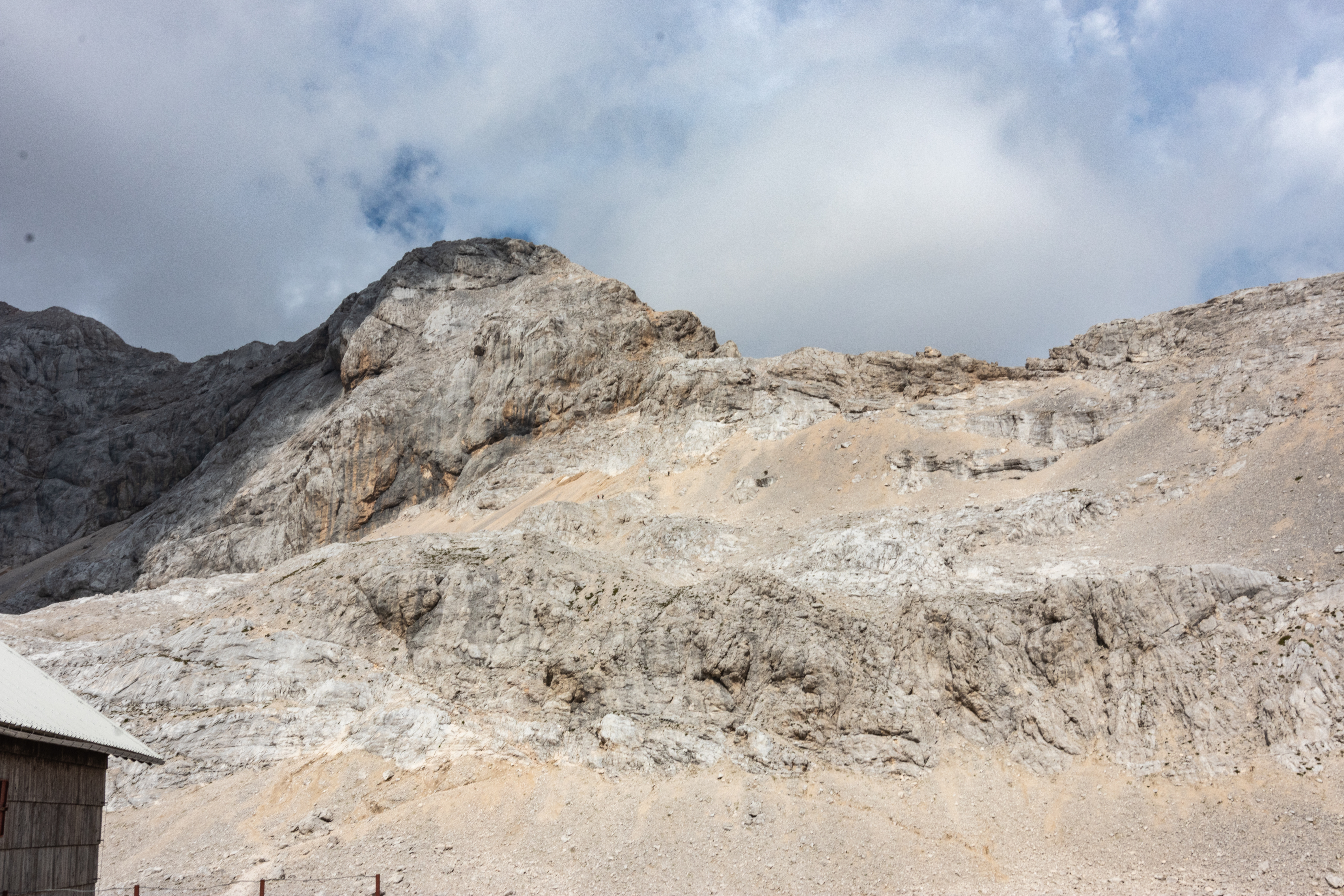
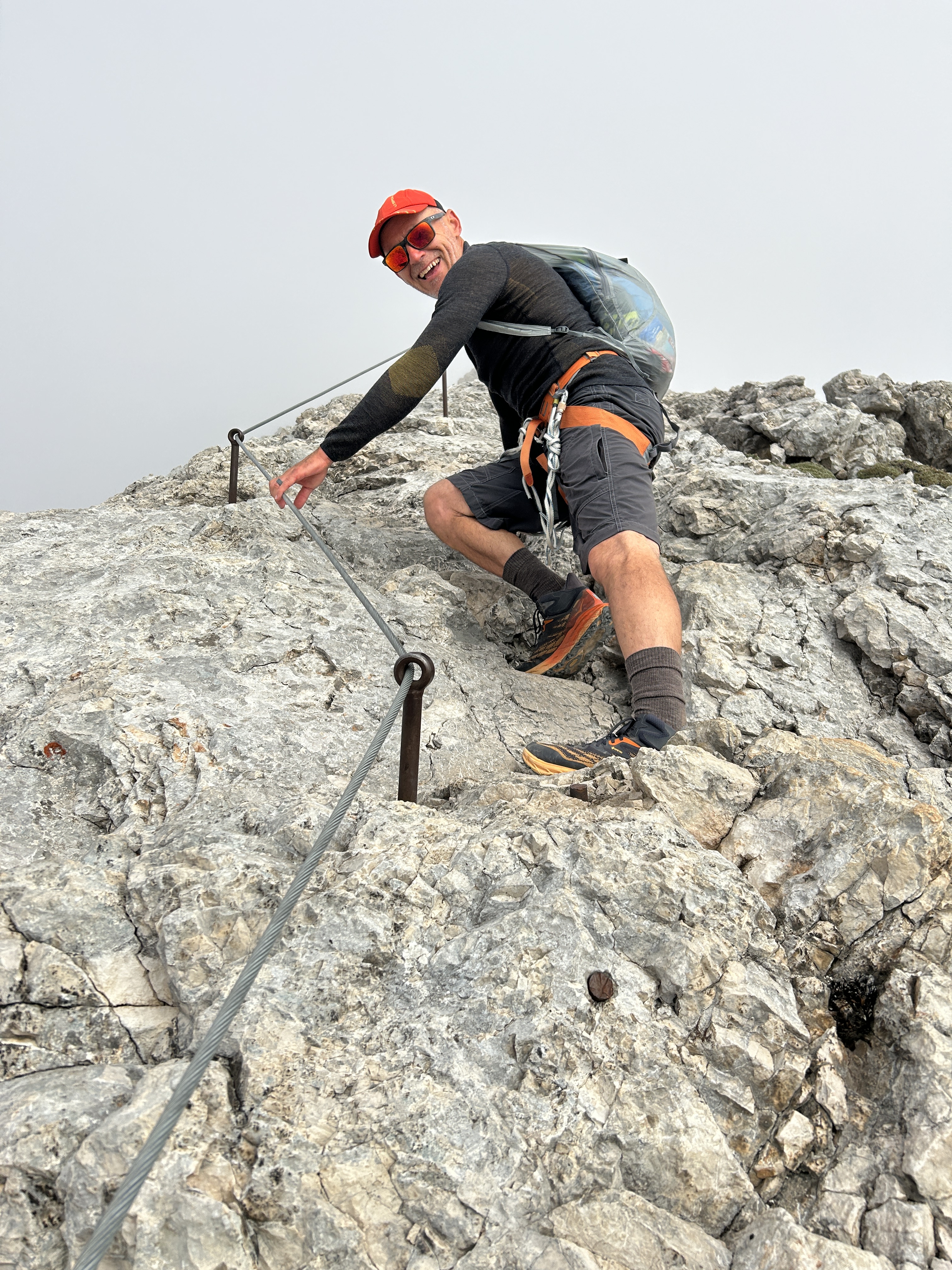
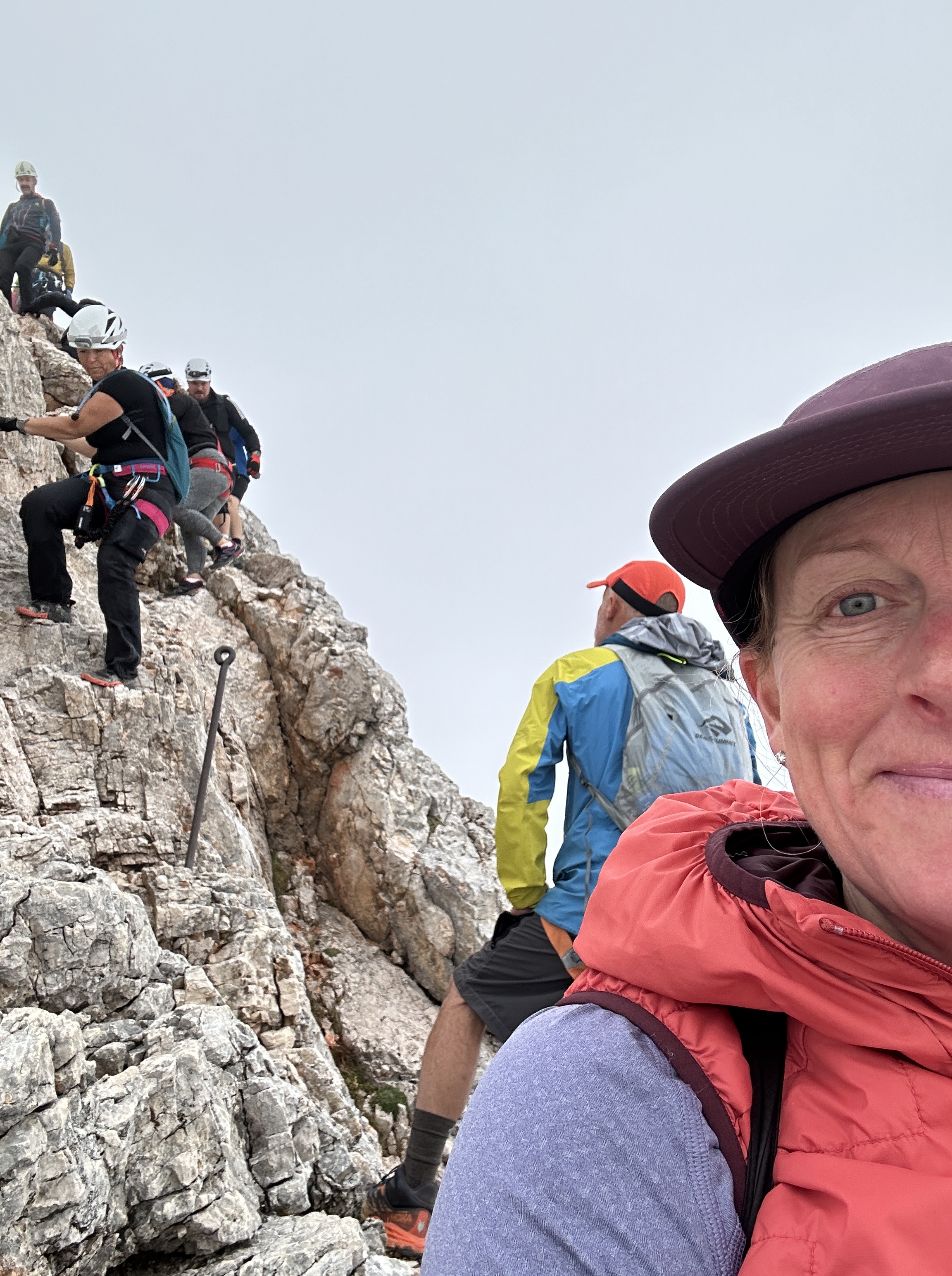
On the third day, we woke up before dawn and climbed to the summit of Mount Triglav. The hike from the Planika Hut was short but steep, featuring a technical via ferrata section. Since we live at 7,000 feet and had trained by climbing several 13,000 feet peaks, we were well acclimatized to summit Mount Triglav, which stands at 9,396 feet. We wore light alpine harnesses and via ferrata lanyards, but we never actually used them. We moved quickly, constantly passing other climbers, making it easier and safer to go unclipped. The round trip from the hut took us 2 hours and 23 minutes.
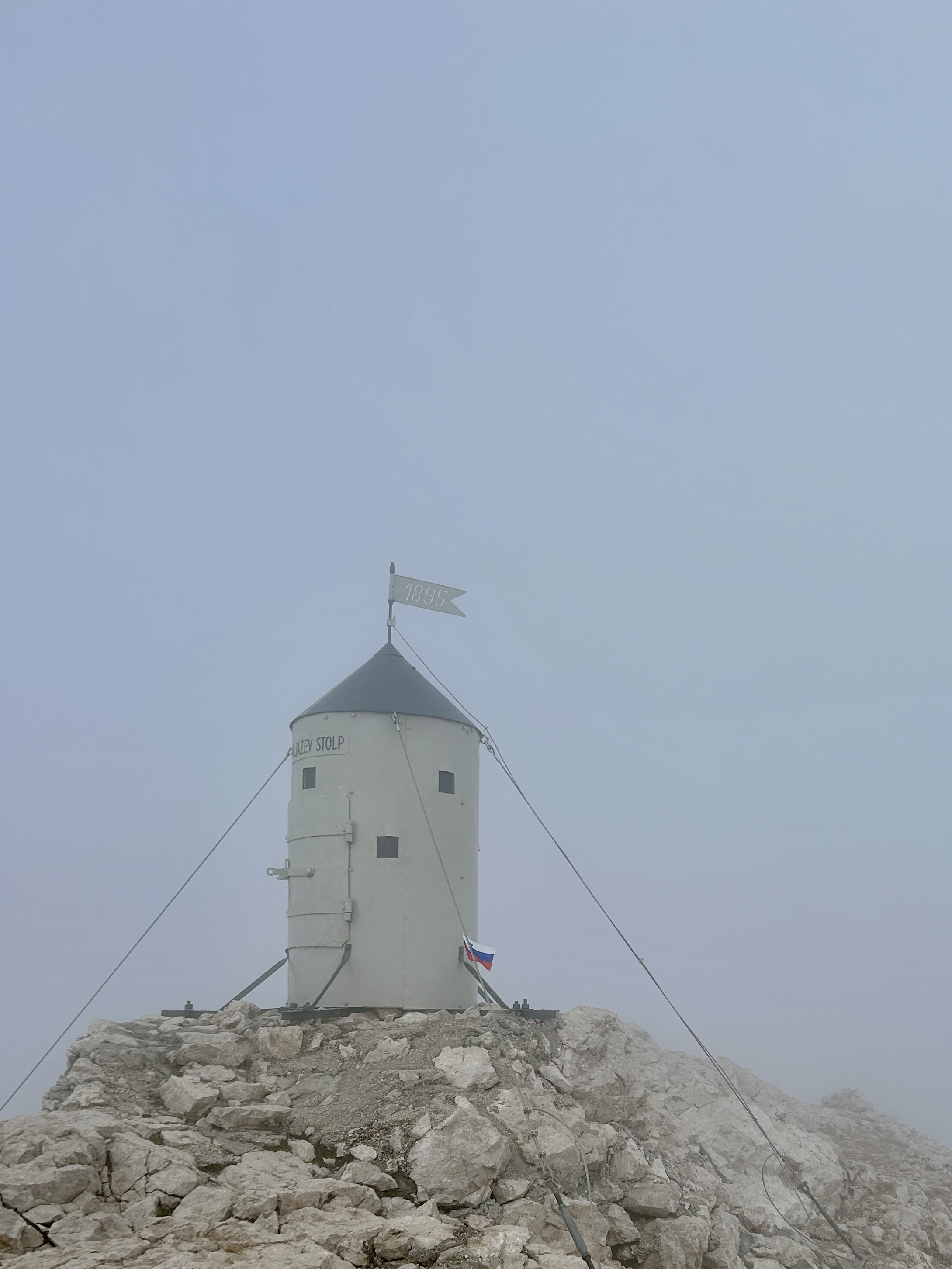
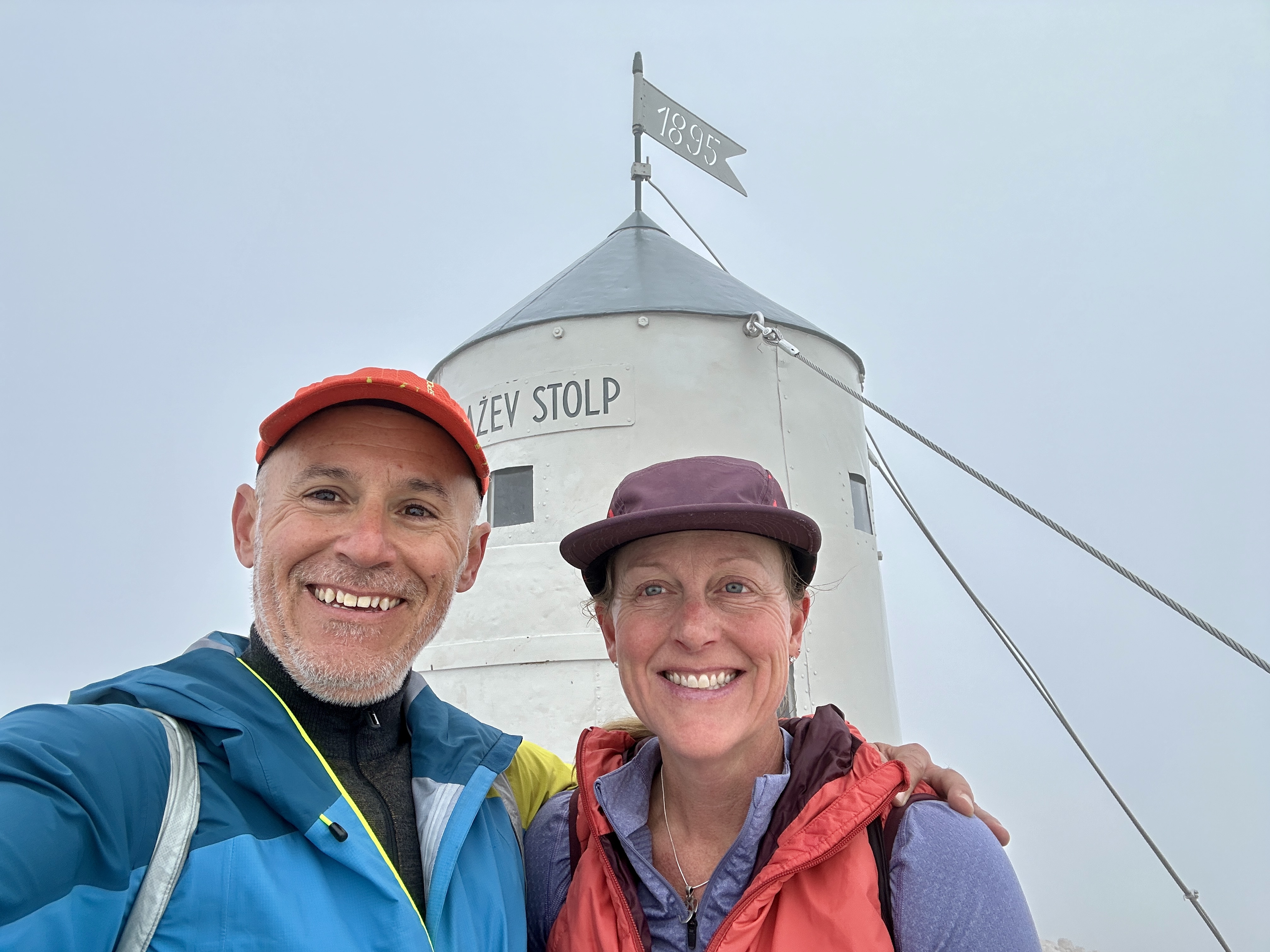
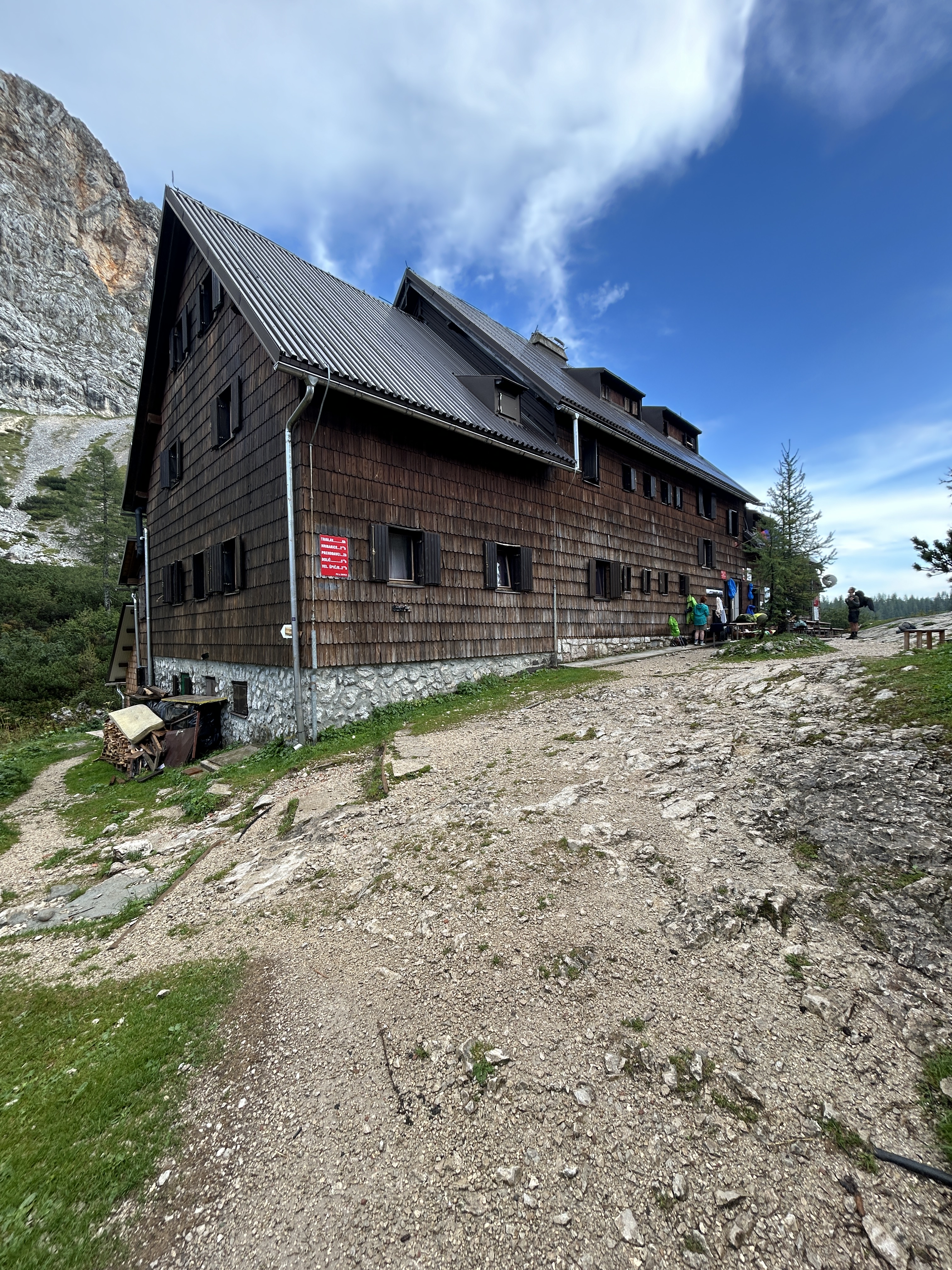
After summiting Triglav, we picked up our backpacks from the gear storage at the Planika hut and headed to the Koča na Doliča hut for lunch. After our meal, we had to climb up and over the Hribarice Pass before starting the long descent to the Triglav Lakes hut. Unfortunately, we got caught in a heavy downpour and arrived soaking wet, making the hut a true refuge for us.
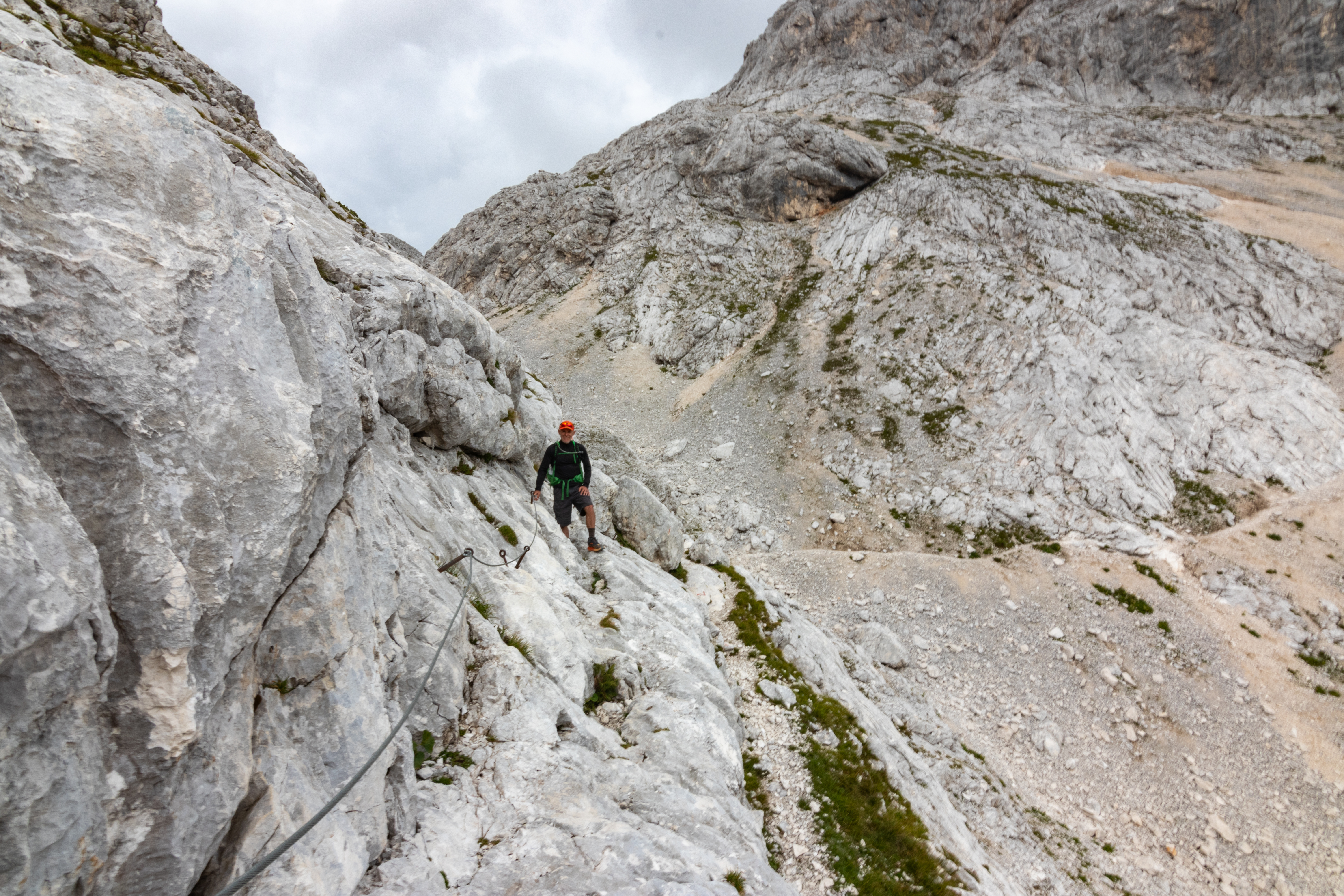
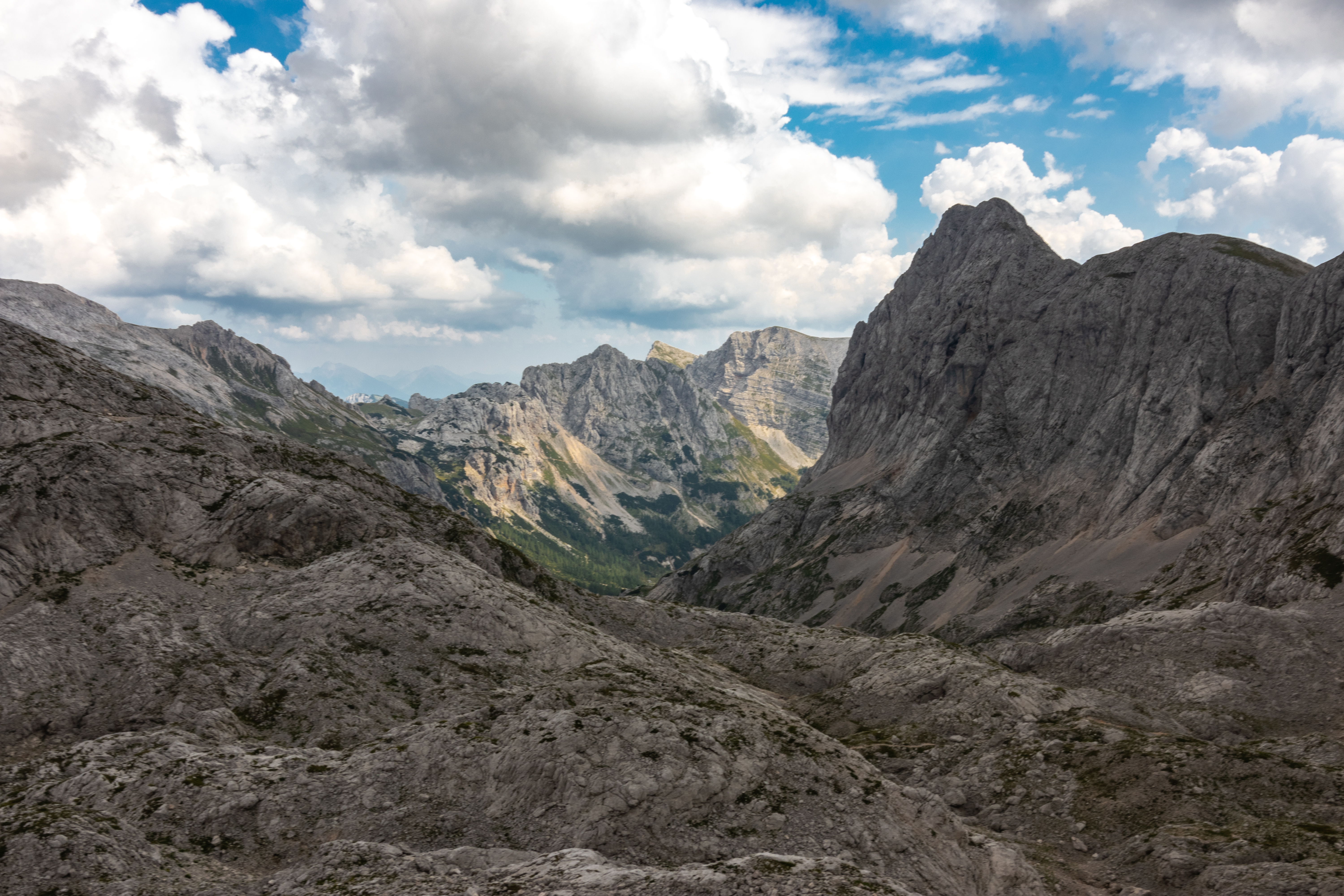
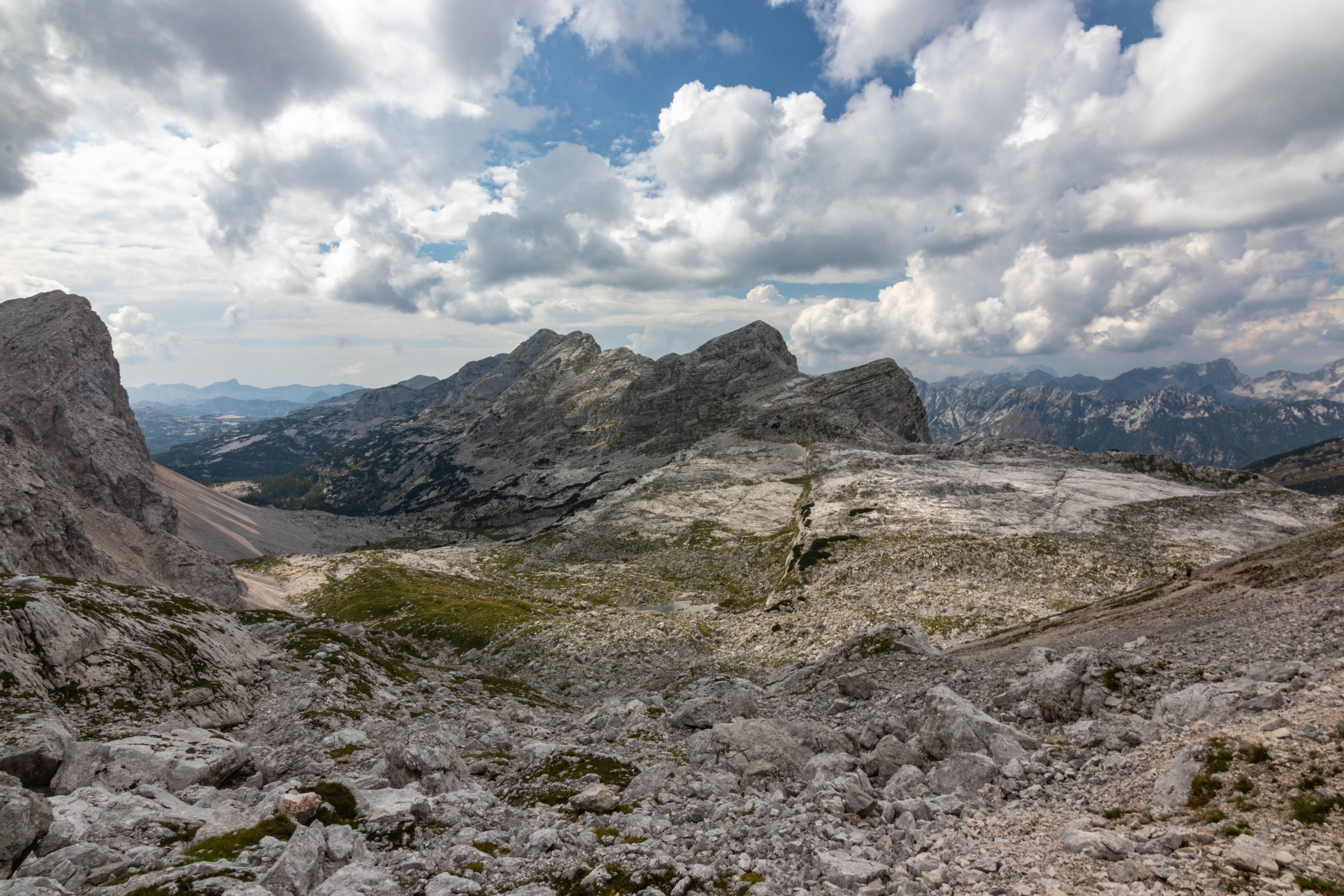
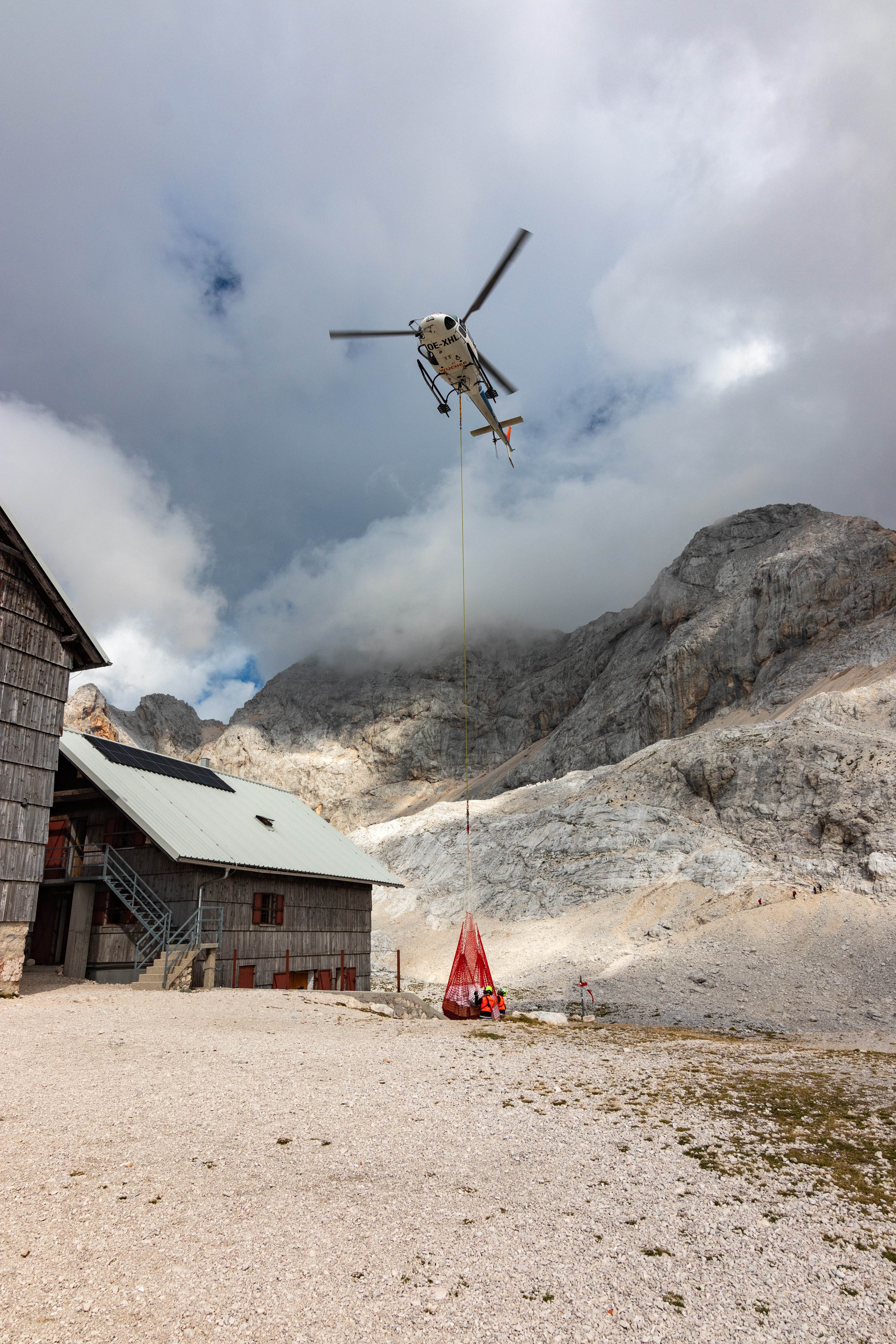
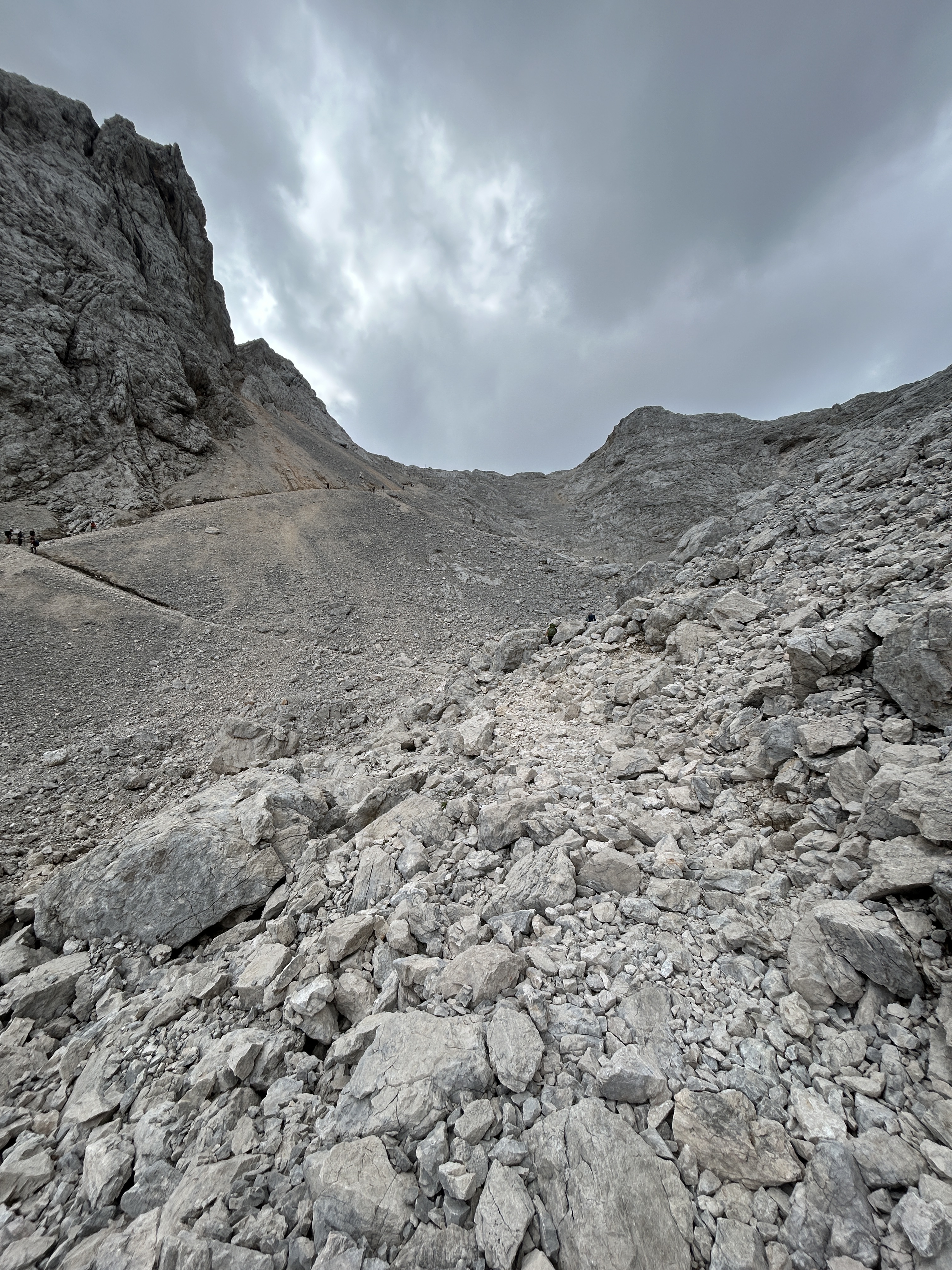
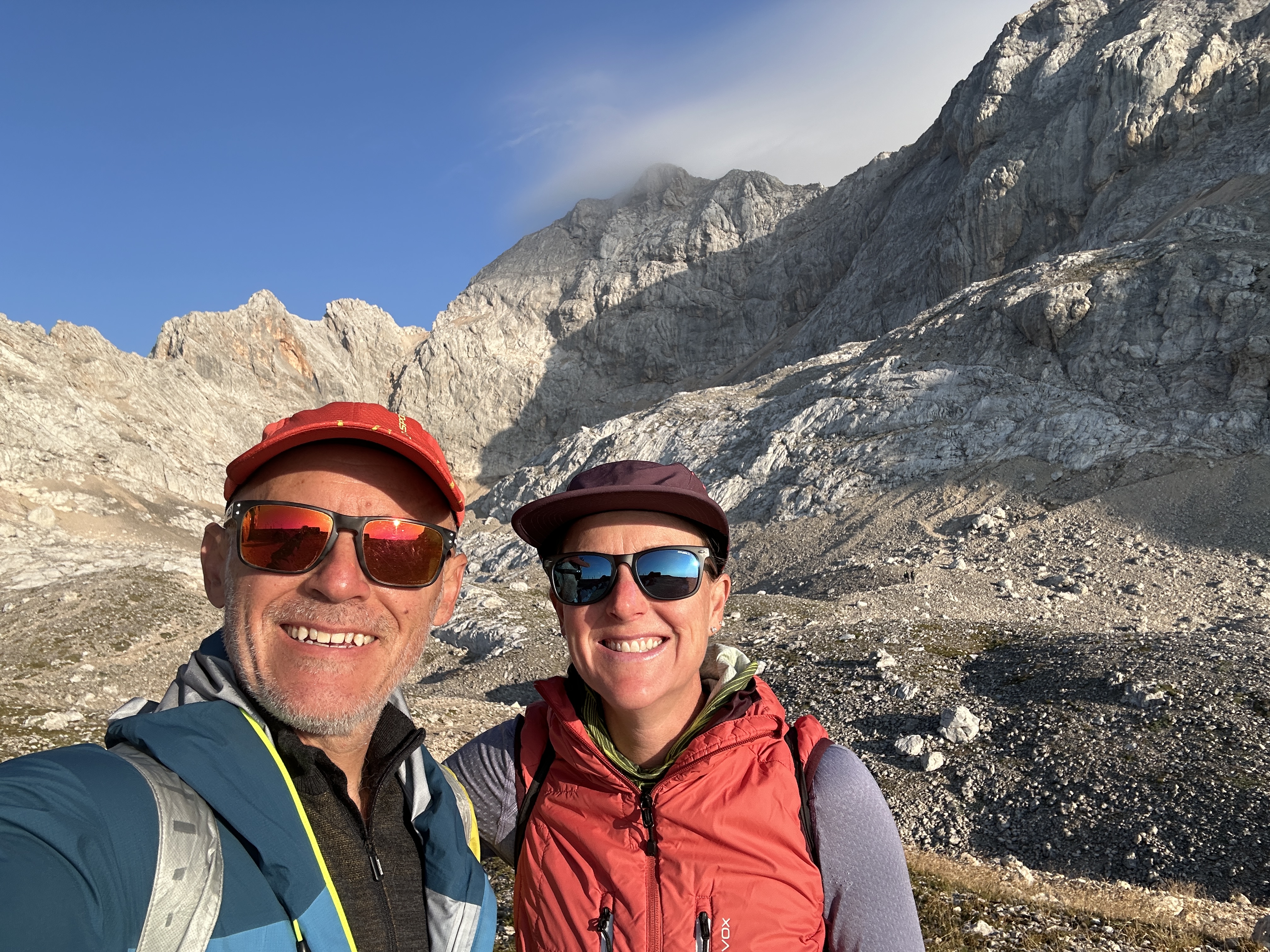
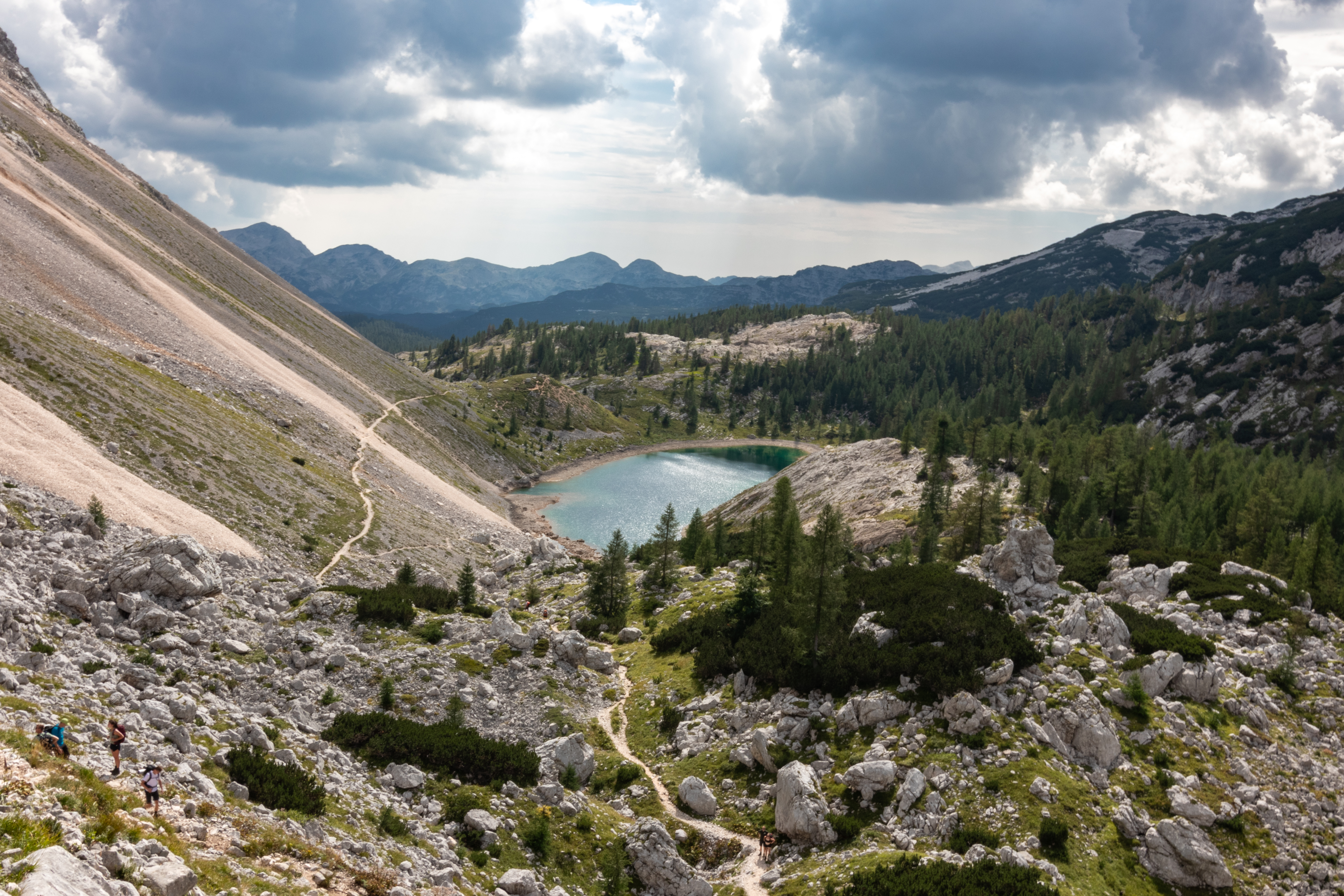
On our final day, which was day four, we ended up hiking longer than we had initially planned, but it was well worth the effort. We left shortly after breakfast at 8:20 a.m., nearly being the last group to depart. Our hike was expected to take three hours, but we reached the Komna Hut in just an hour and a half. The hut offers an amazing view of Bohinj Lake, but the facilities were quite inadequate. Therefore, we decided to call our hotel in Lake Bohinj to see if they could accommodate us for an early arrival. Once we confirmed our stay and informed the hut keepers, we messaged Helia to request an early luggage delivery. Thankfully, they agreed, which made a significant difference for us. It was incredibly kind of them to help out, and we were grateful to have clean clothes and our toiletries when we arrived. The most challenging part of the day was navigating nearly 50 switchbacks with a descent of 2,700 feet into Vogel Ski Resort and the Savica Waterfall. From the ski resort, we took a 15-minute bus ride to our hotel.
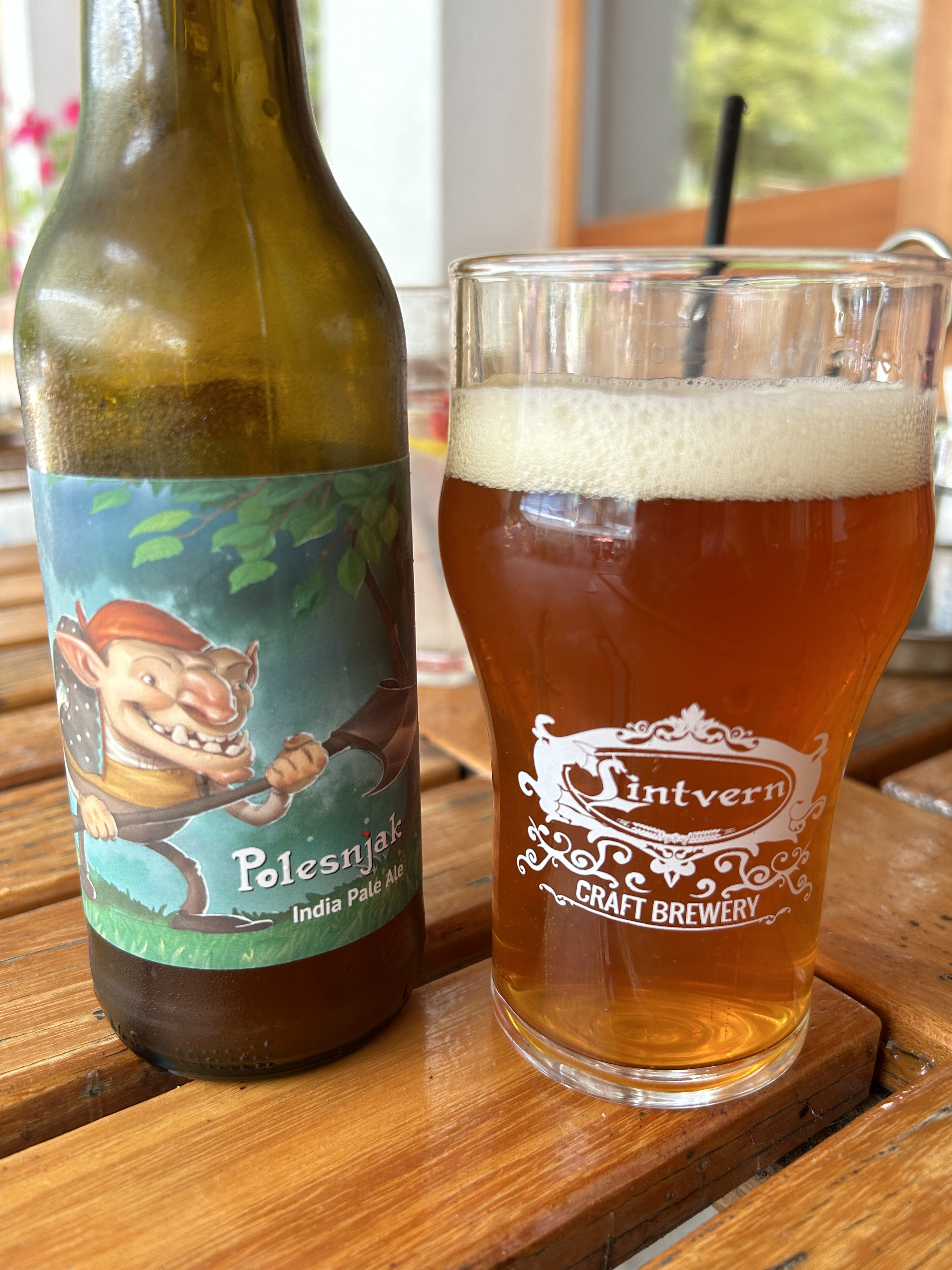
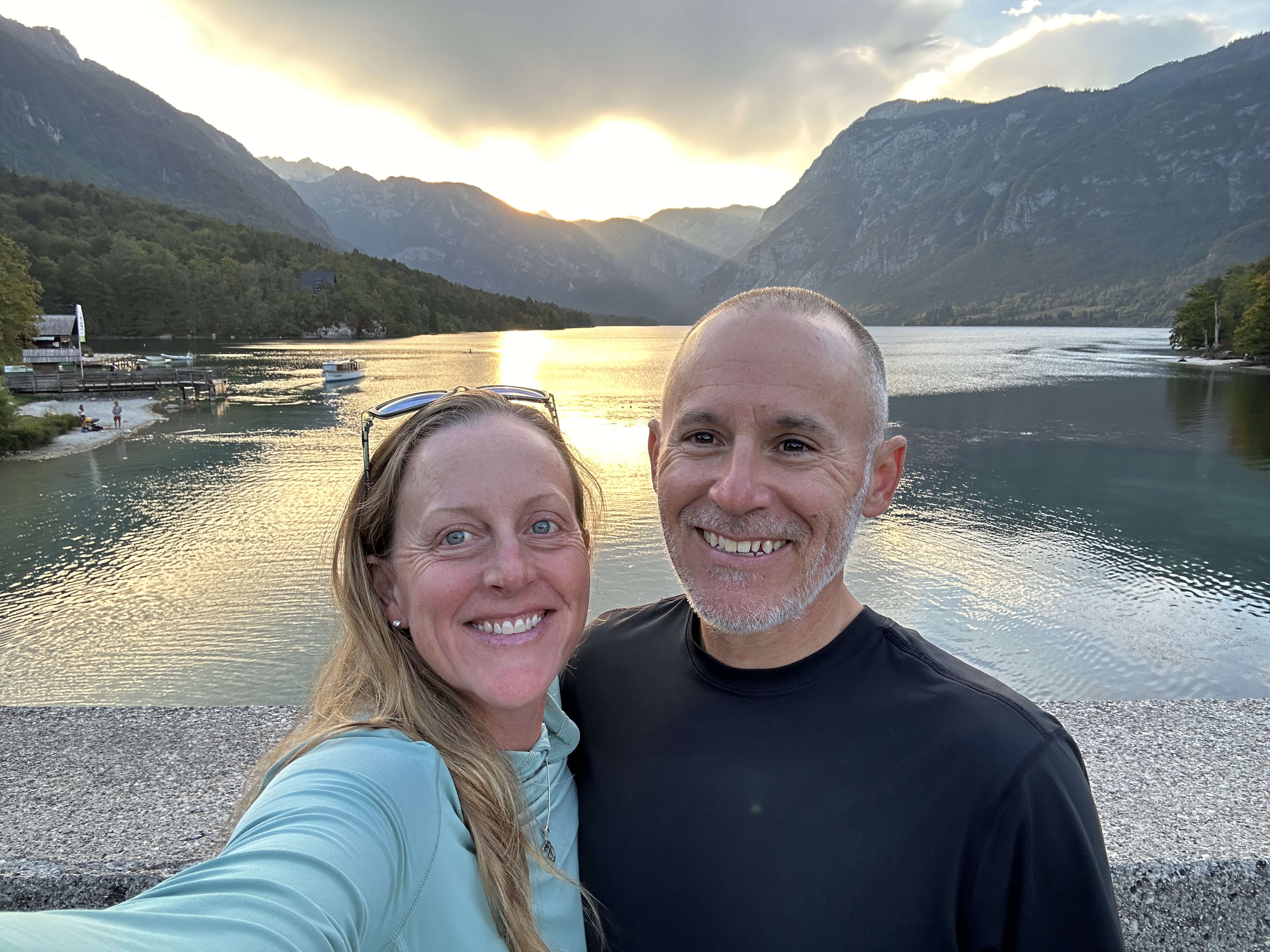
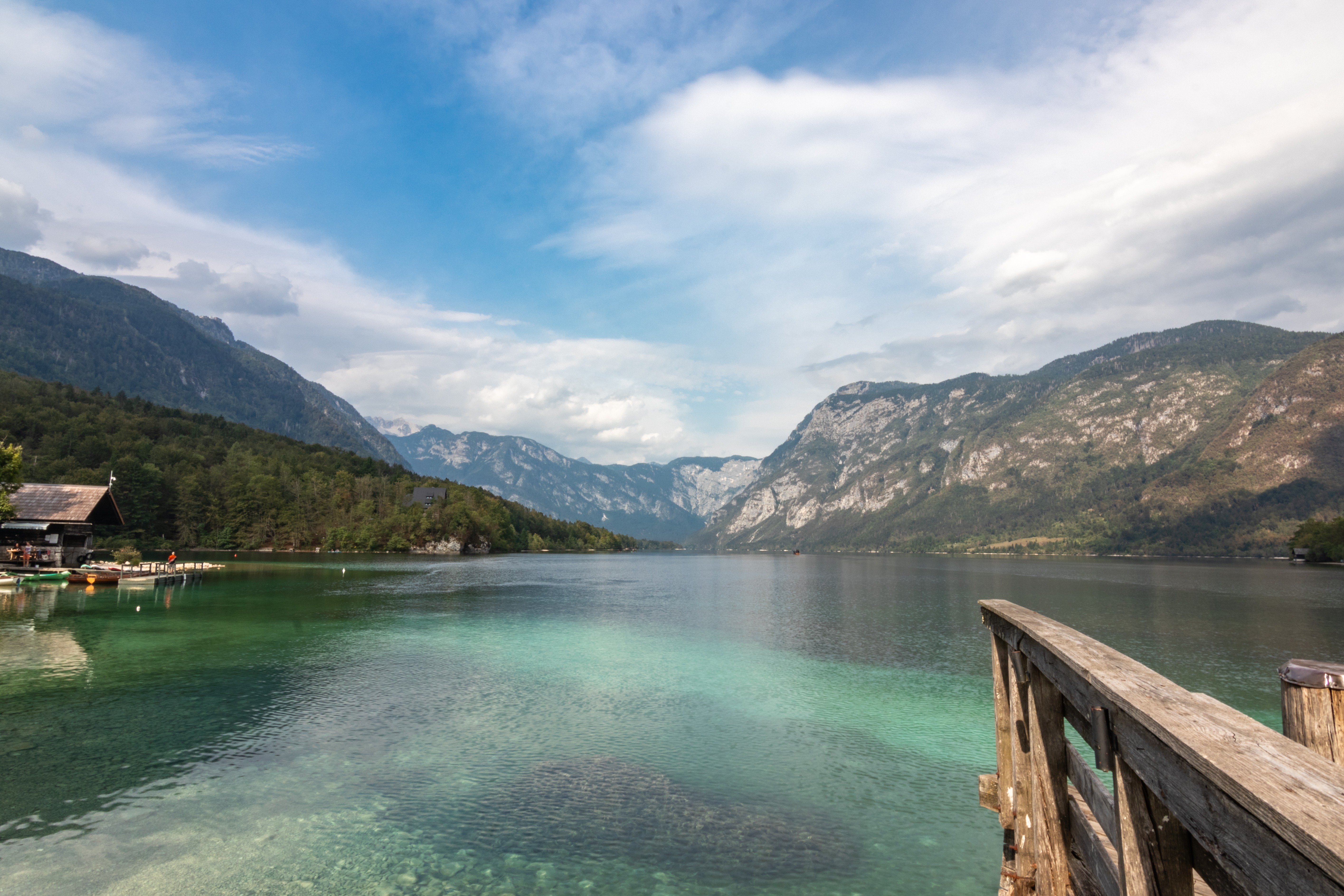

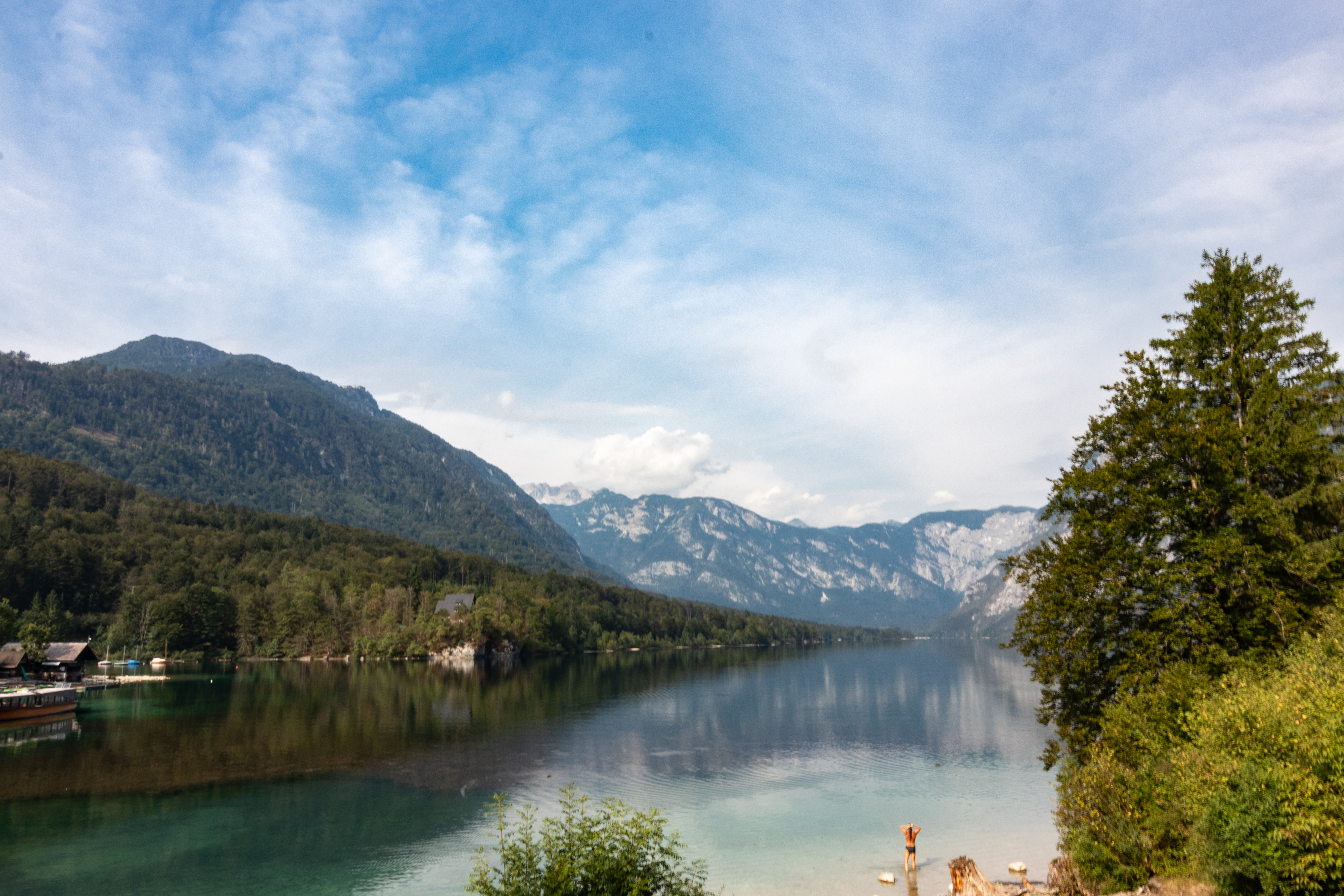
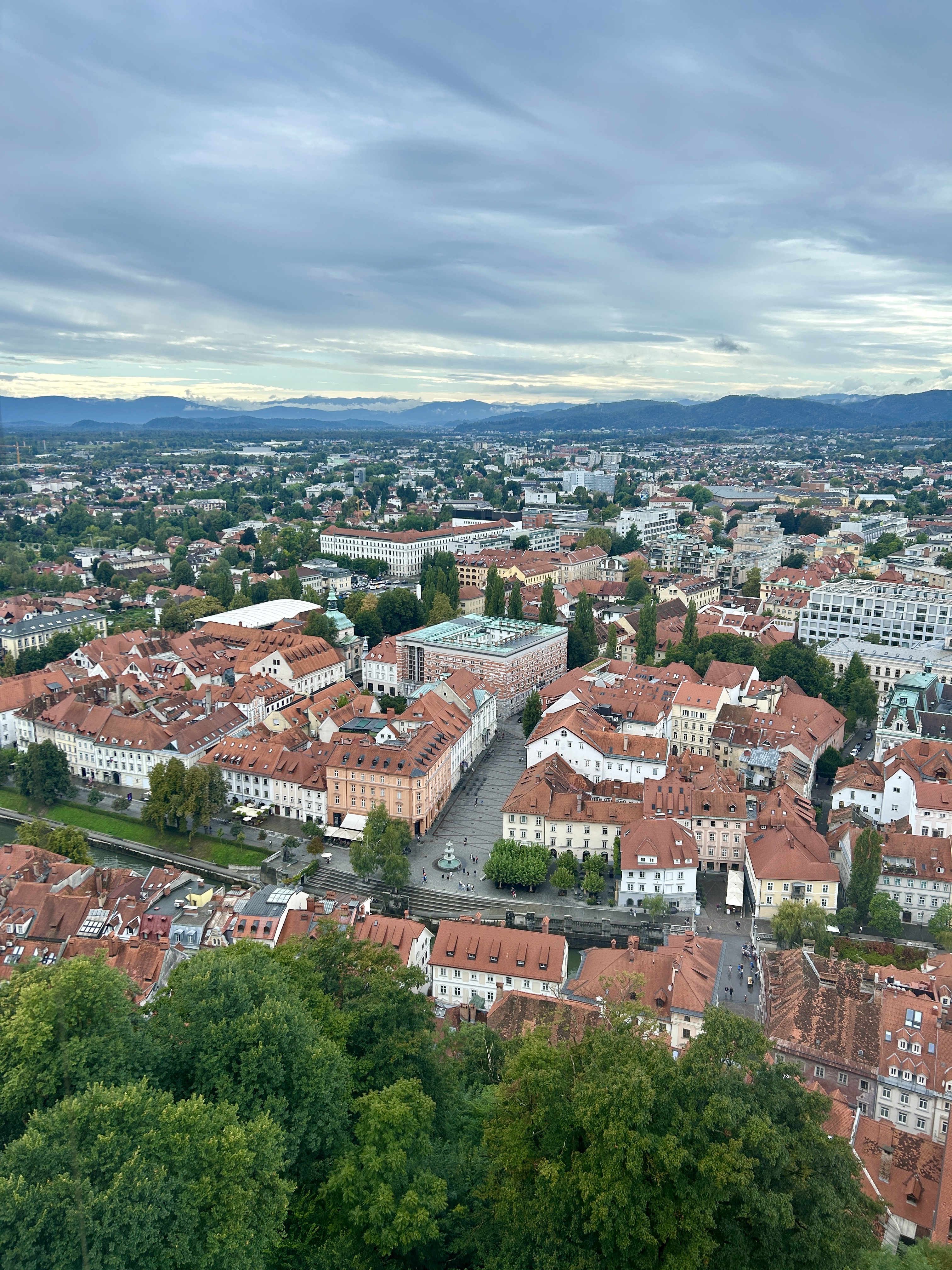
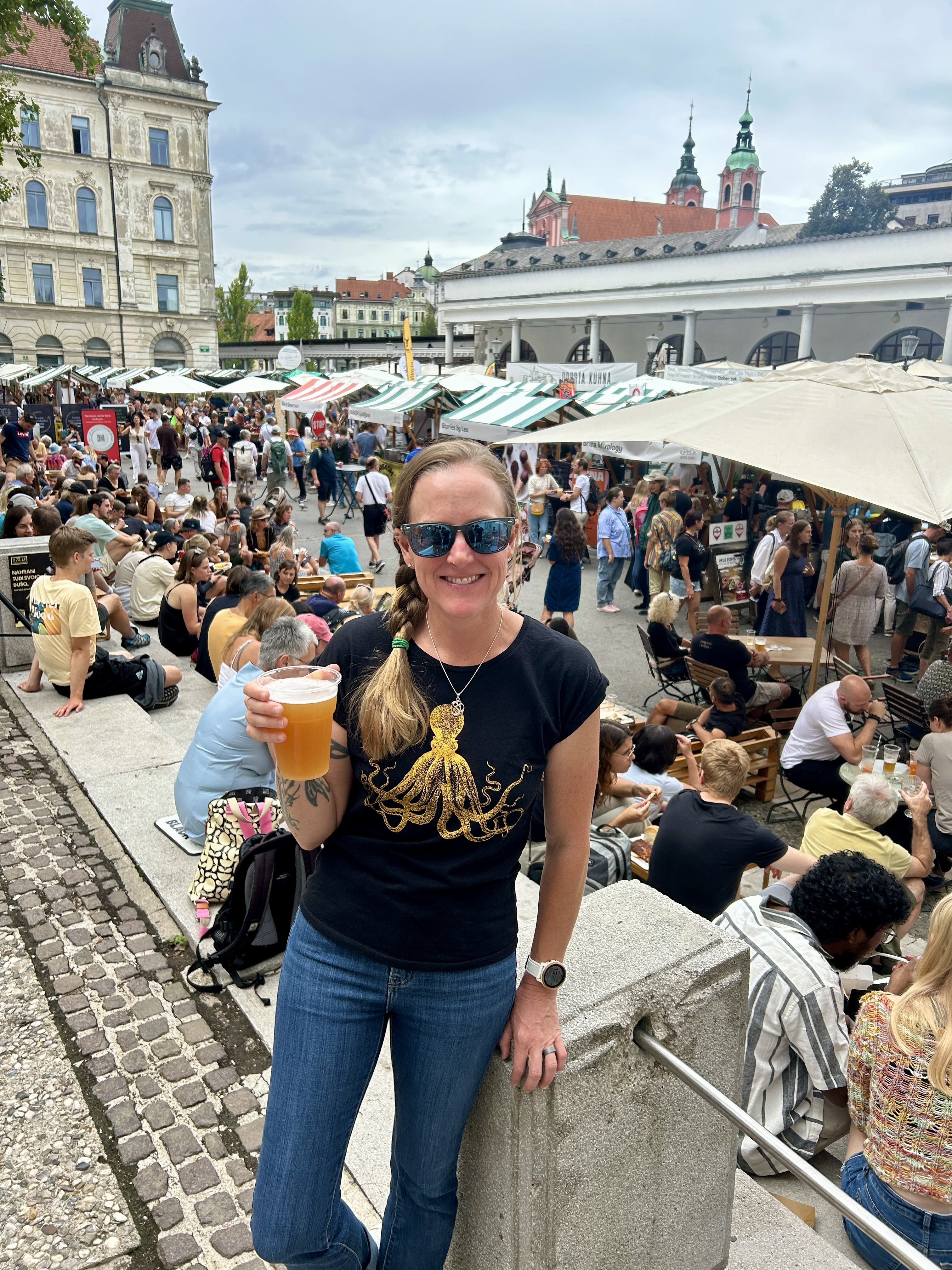
After a refreshing day off in Bohinj, we took a bus to Ljubljana and enjoyed a wonderful stay in the capital city. We highly recommend visiting Slovenia; it’s a beautiful country with an abundance of natural beauty. You can find lakes, mountains, beaches, bustling cities, delicious food, and very friendly people. They use the Euro, and most Slovenians speak at least some English. Additionally, internet & cell service were super convenient with an eSIM from Orange. Go visit Slovenia — you’ll love it!

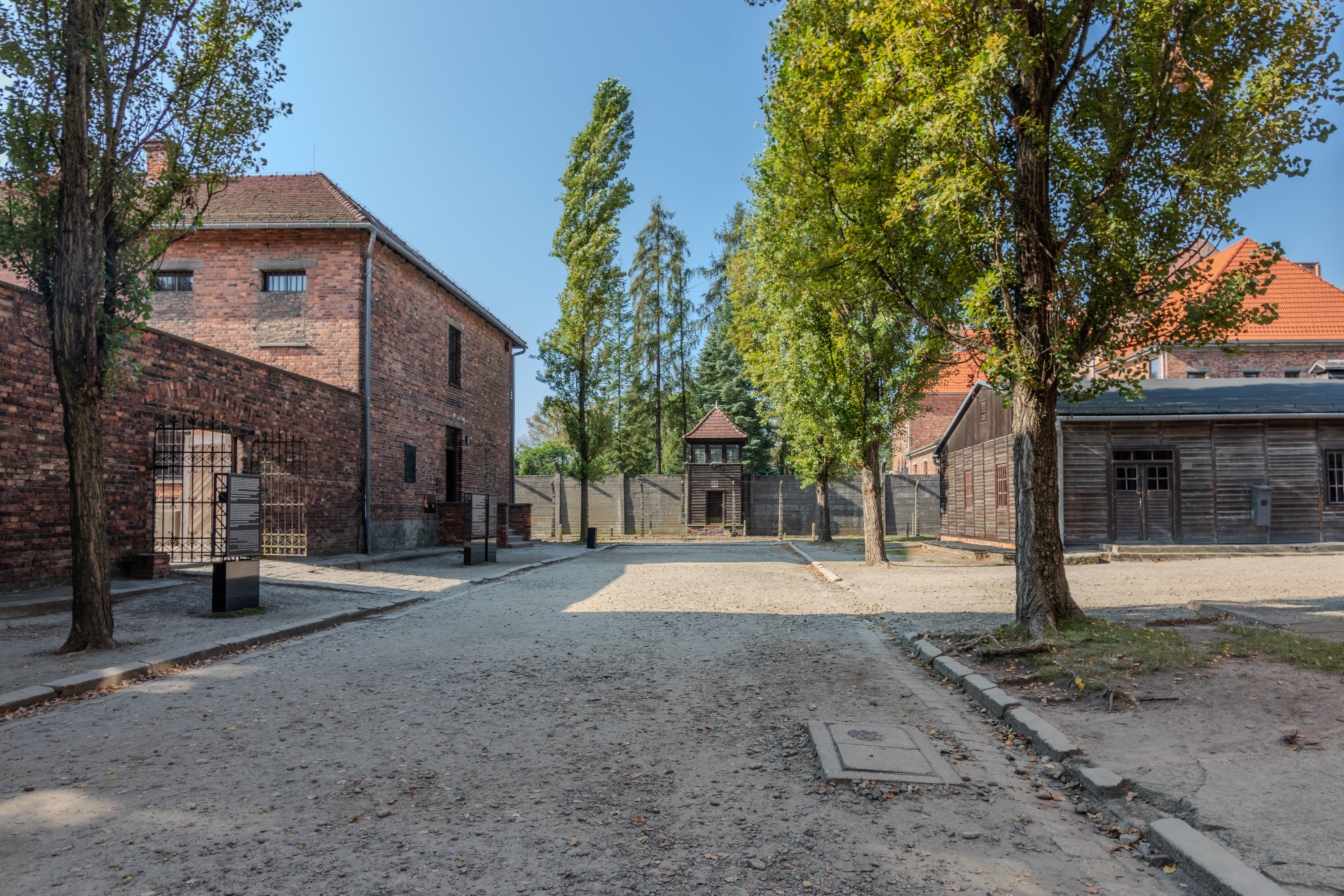
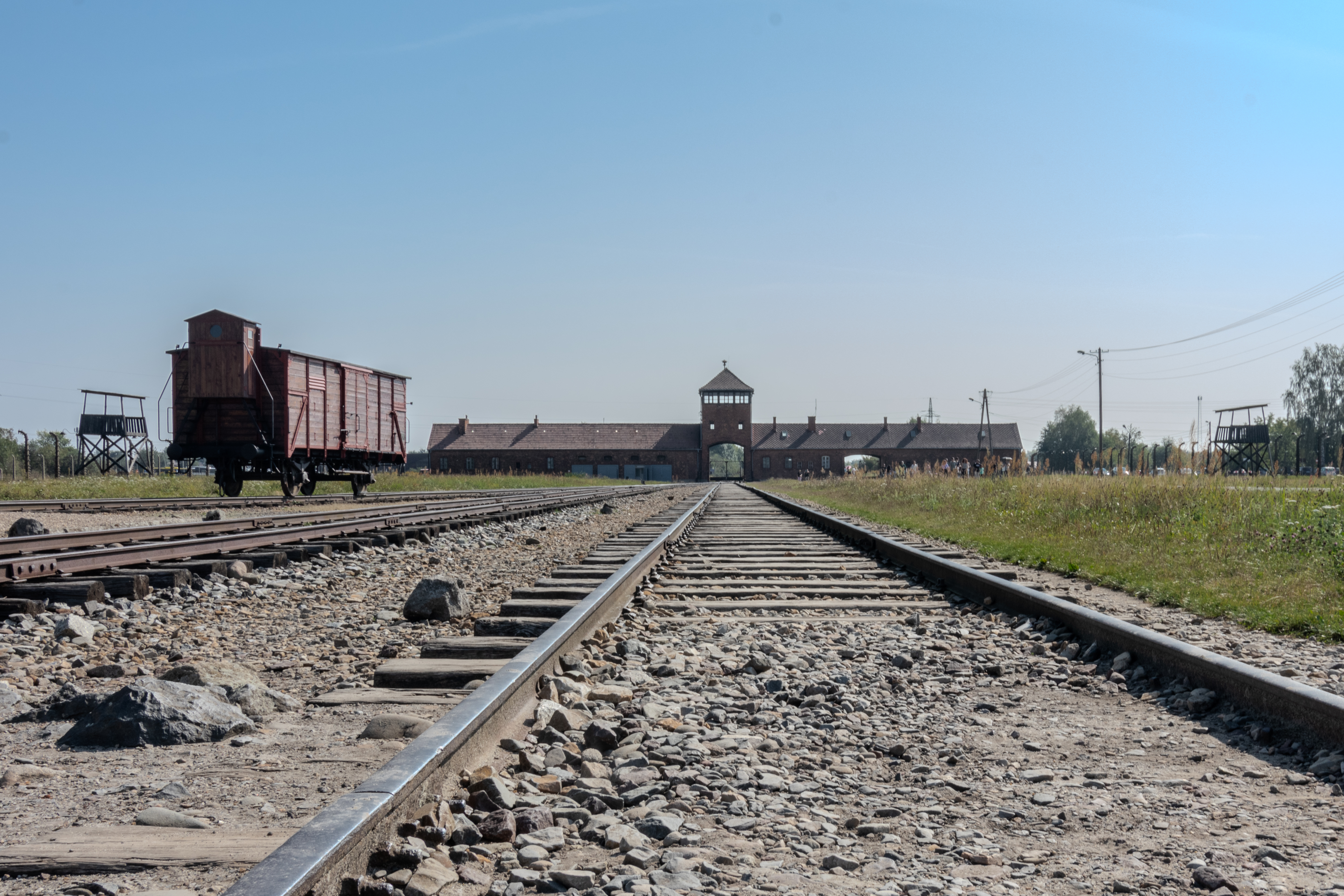
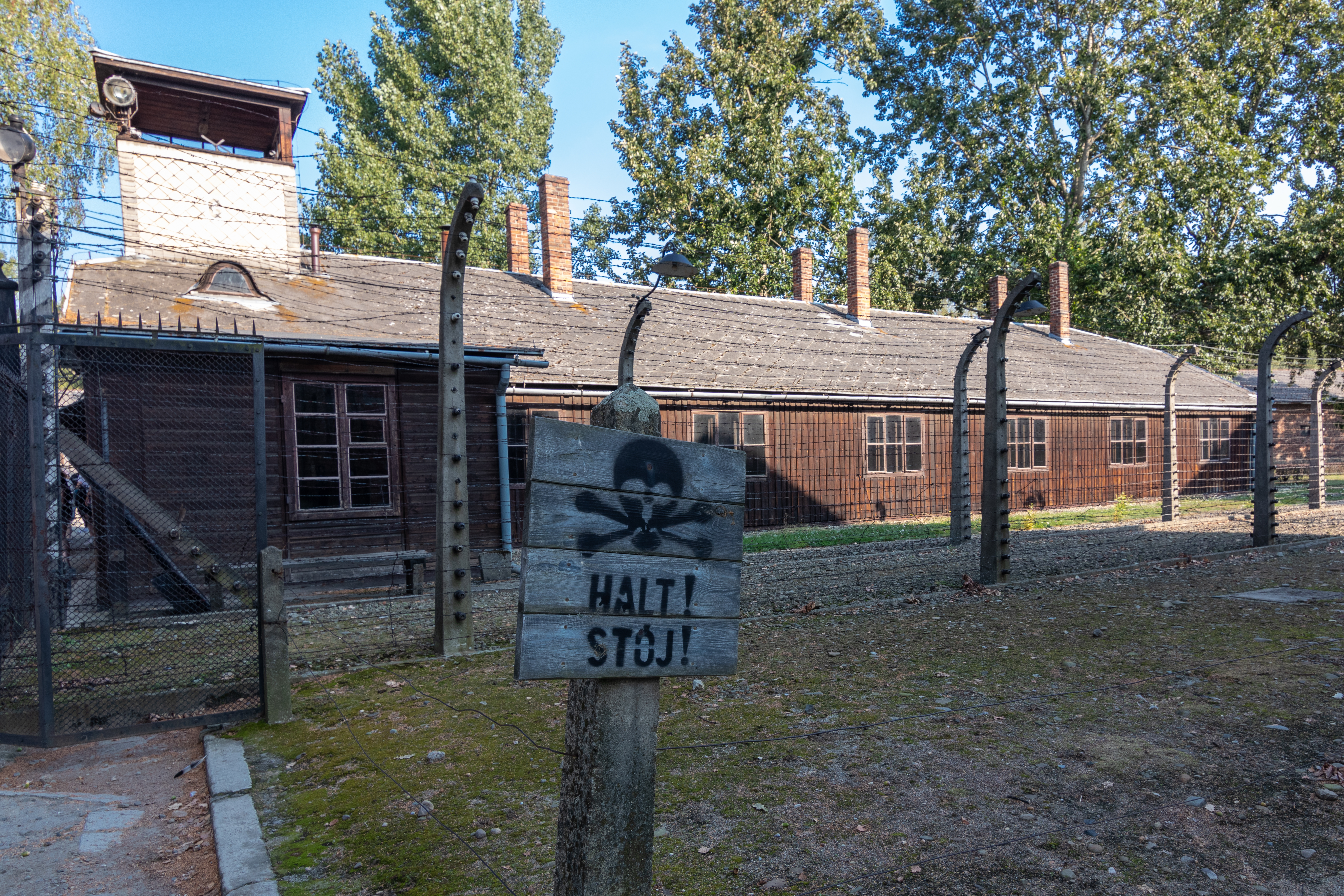
Before the hiking tour, we spent a few days touring Krakow, Poland. We stayed in the Jewish quarter and hired a tour company to take us to the Auschwitz-Birkenau Memorial and Museum and the Wielickza Salt Mine. Both were excellent tours, albeit quite somber. Taking the time to learn about the history of Auschwitz is a warning and call for moral responsibility. Hatred does not come from nowhere. It starts with seemingly small actions, prejudice, or stereotypes. In 23 different languages, the victim’s monument at the end of the death road reads, “For ever let this place be a cry of despair and a warning to humanity where the Nazis Murdered about one and a half million men, women and children, mainly Jews from various countries of Europe. Auschwitz-Birkenau 1940-1945”
Here is an excellent BBC article on Holocaust Memorial Day. “What was the nature of the moral collapse that turned this horror into a normality for the Nazis who ran these camps, a normality in which mass murder became, for them, all in a day’s work?”

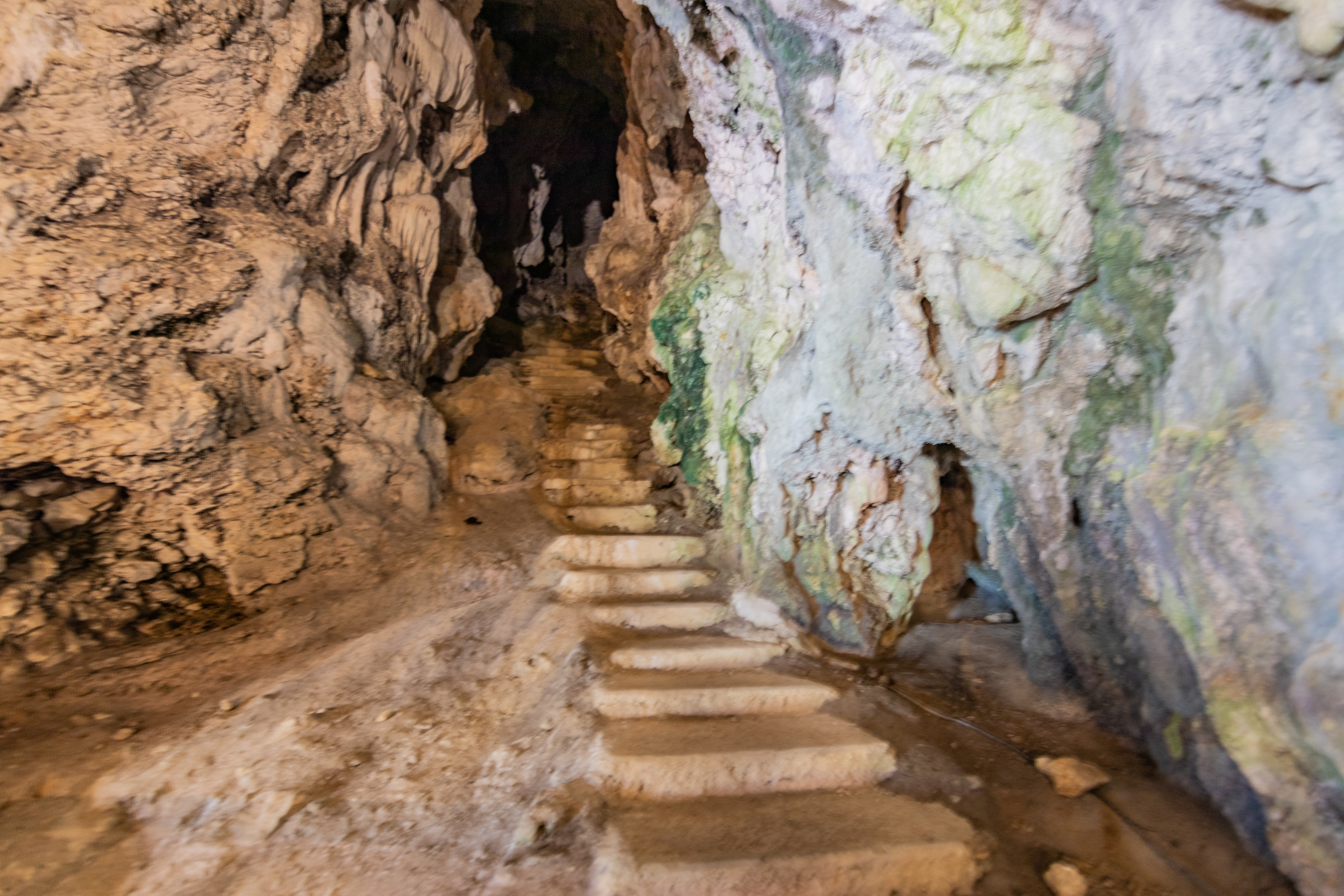
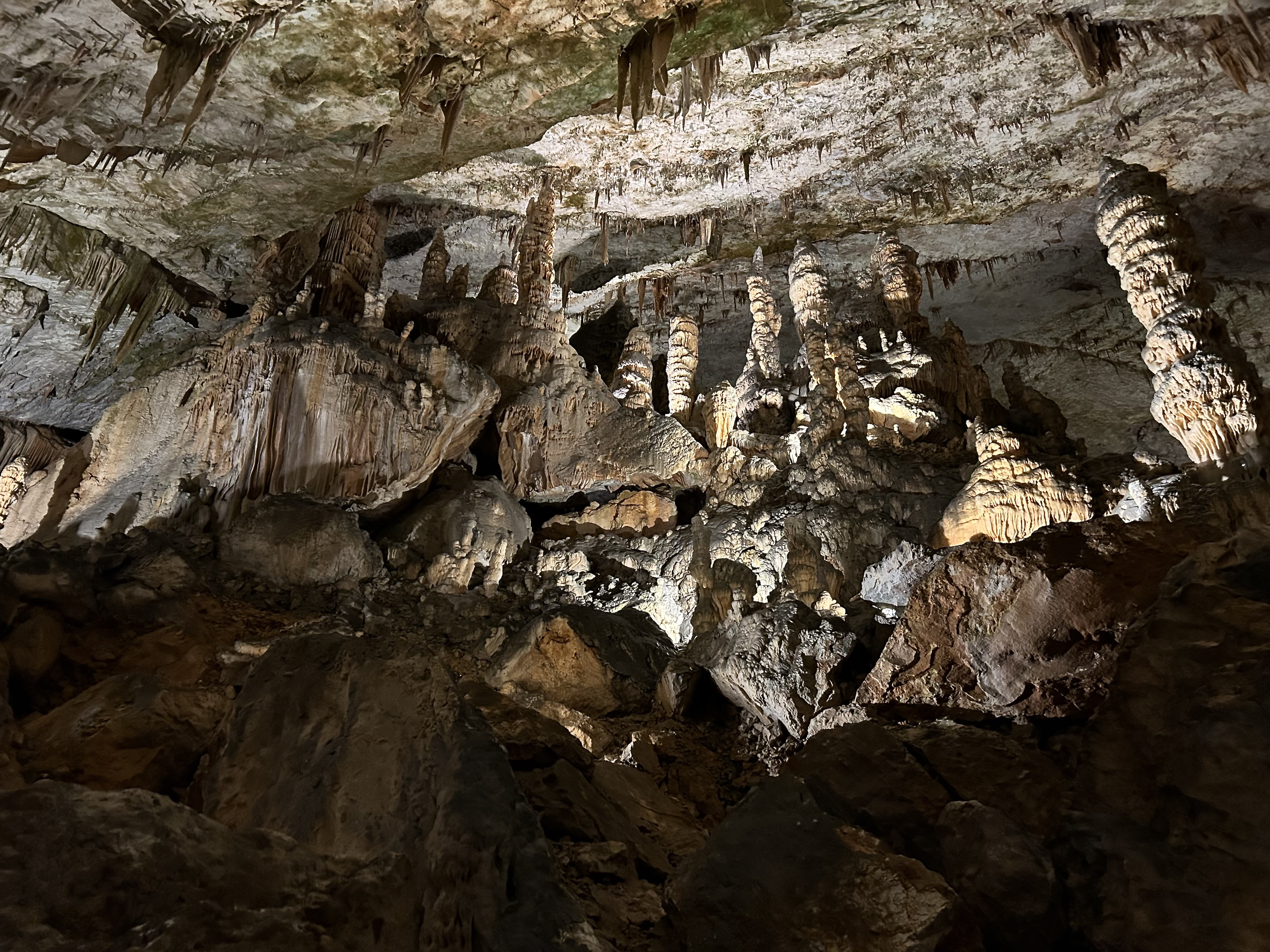
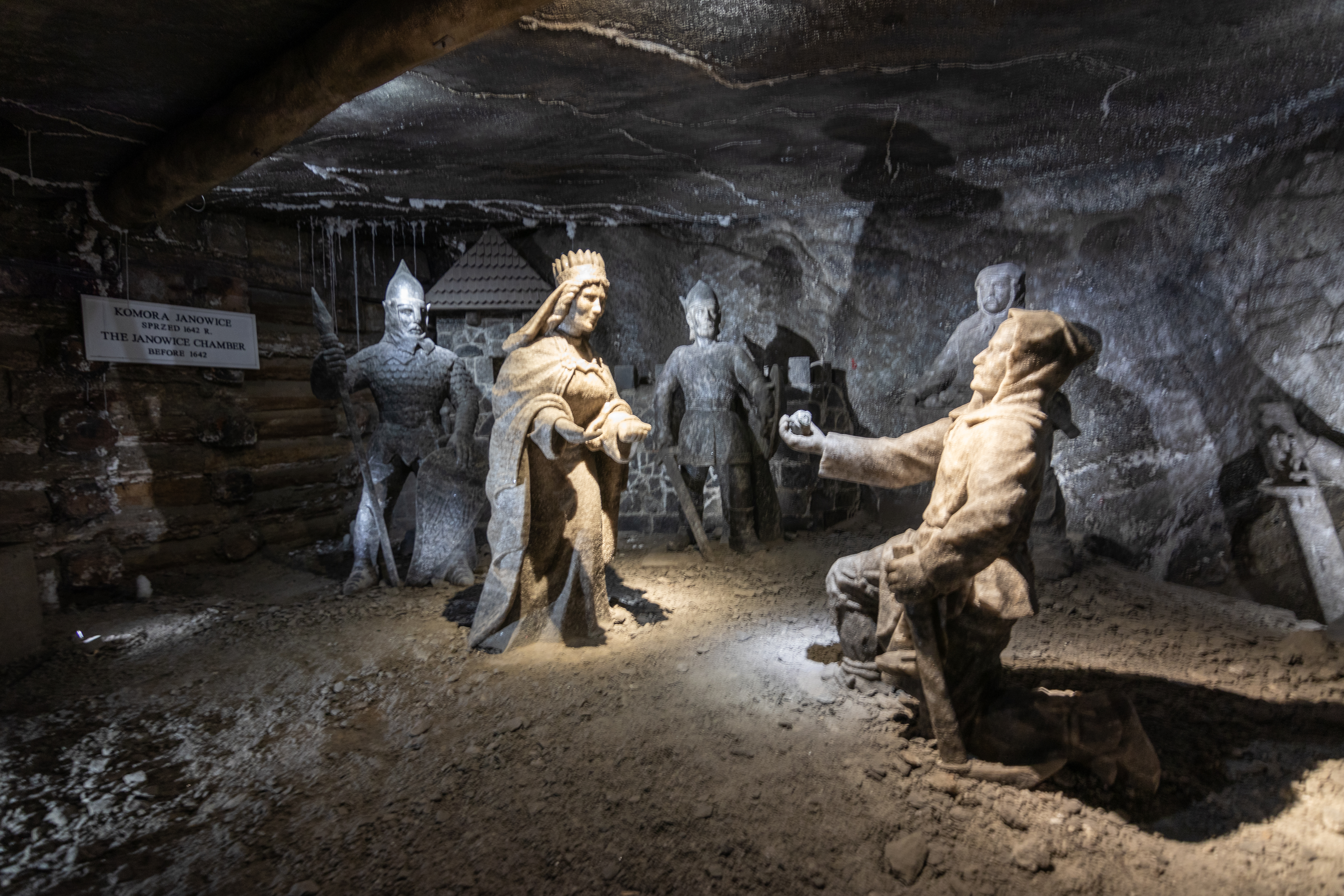
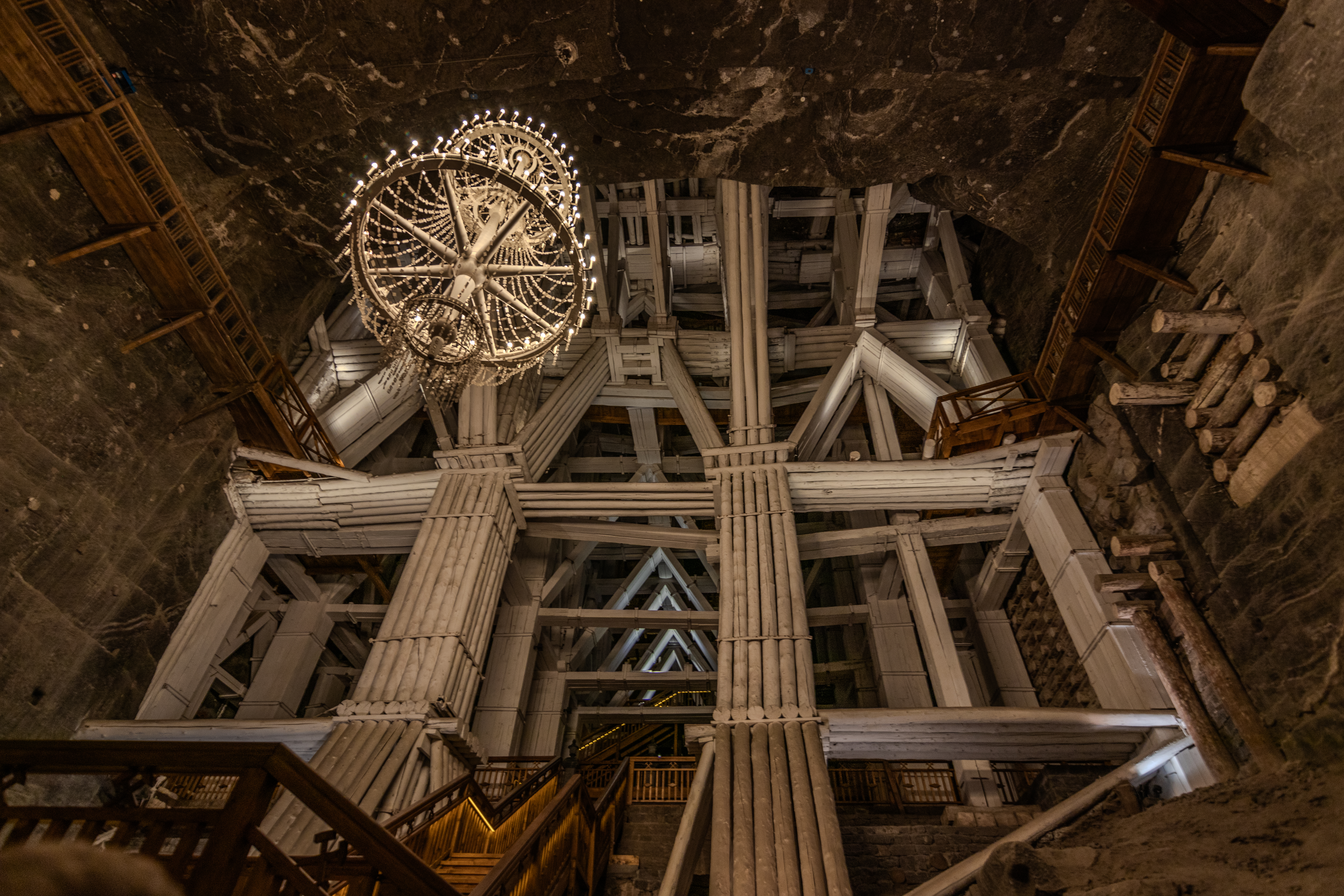
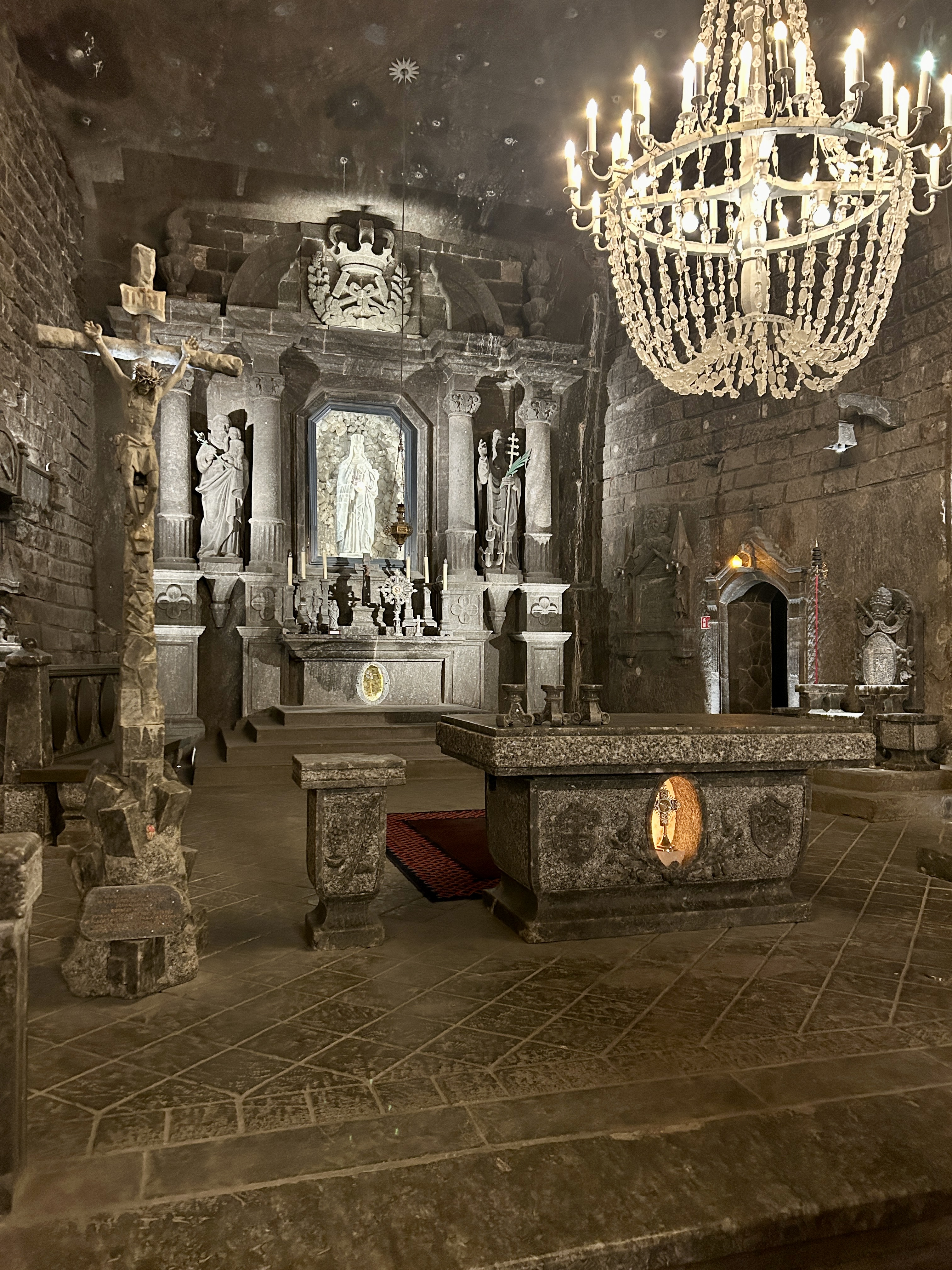
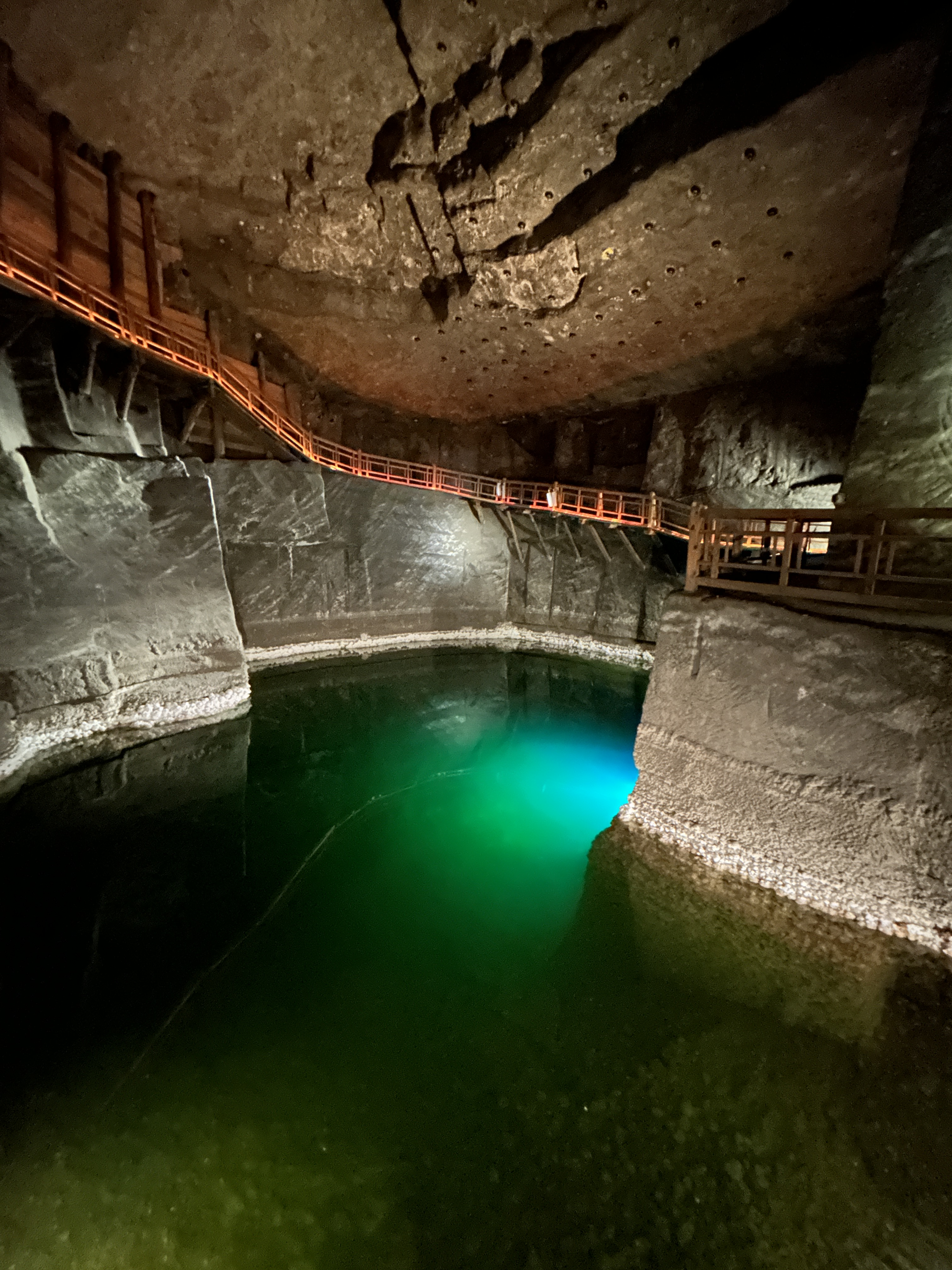
We also visited the Wieliczka Salt Mine, about an hour’s drive from Krakow. The mine features beautiful chambers and sculptures carved from salt, including a stunning chapel and an underground lake. Our tour covered 3 kilometers and involved climbing and descending 800 stairs to reach a depth of 135 meters underground.
 It's a Gavination