As we close 2025, Sean and I can only call it an Annus horribilis. The year began when Traveler, beloved ranch dog, succumbed to incurable lymphoma on November 27, 2024. Though expected, his passing was heartbreaking. Our only consolation was that he went peacefully in his sleep.

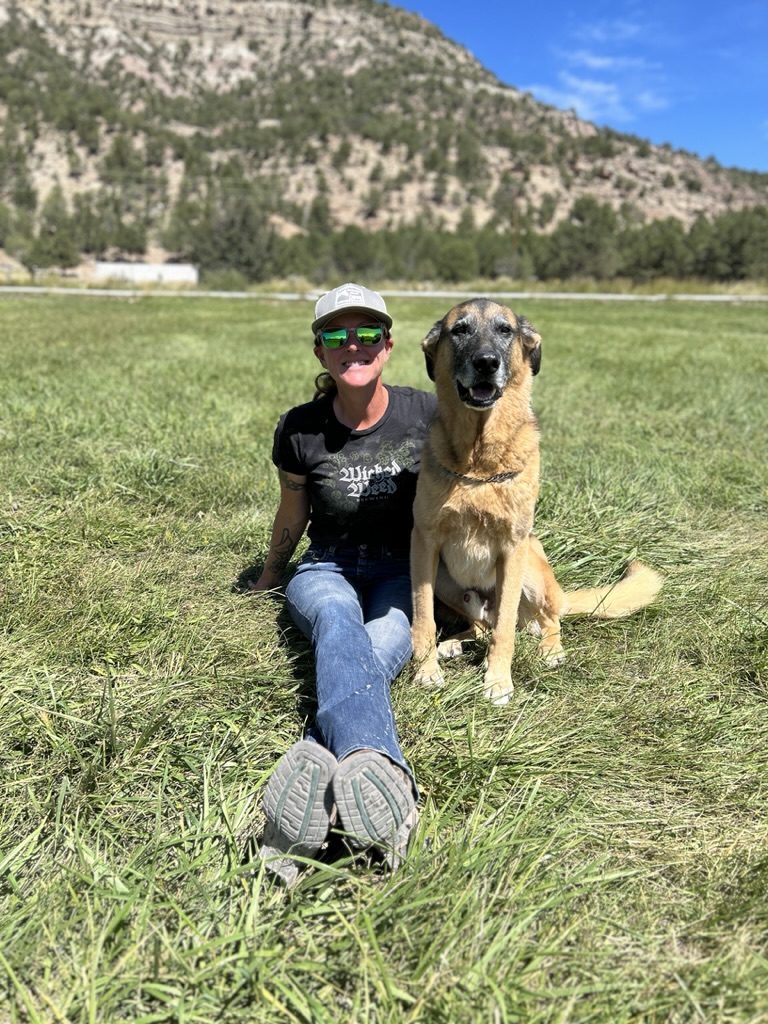

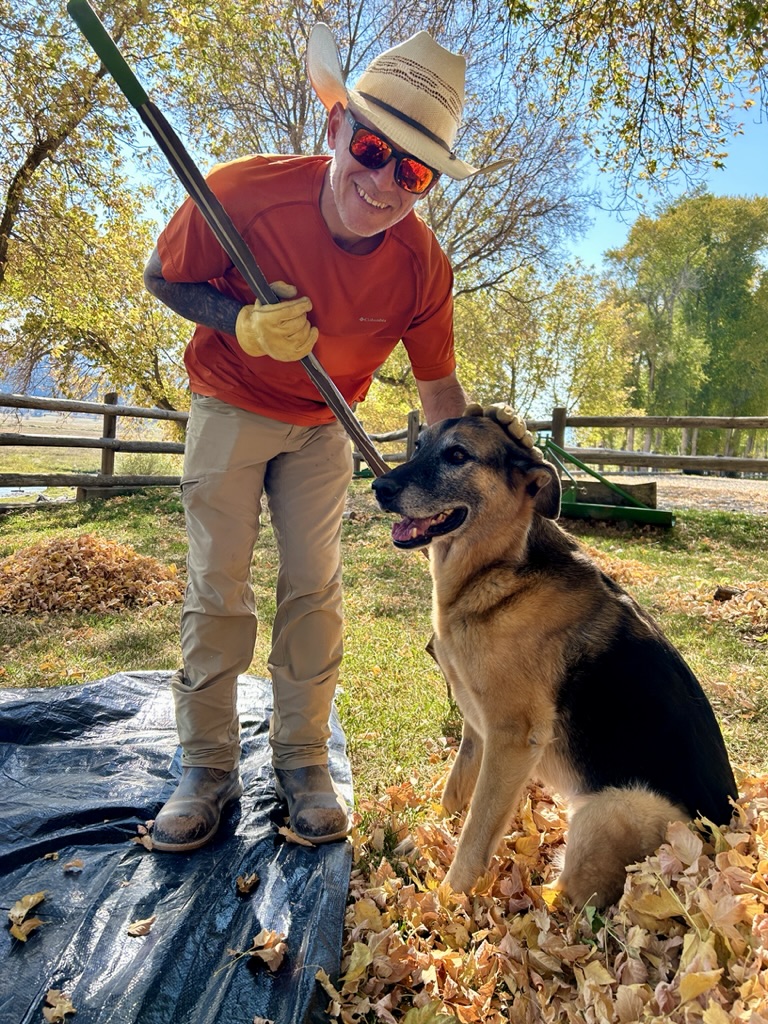
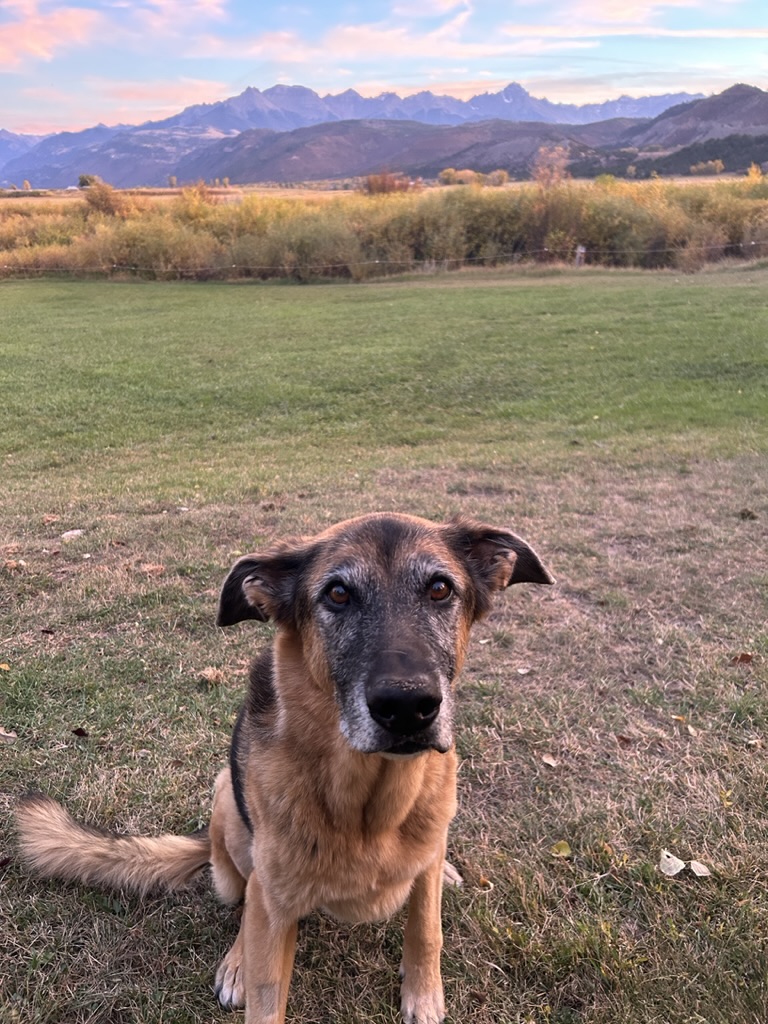
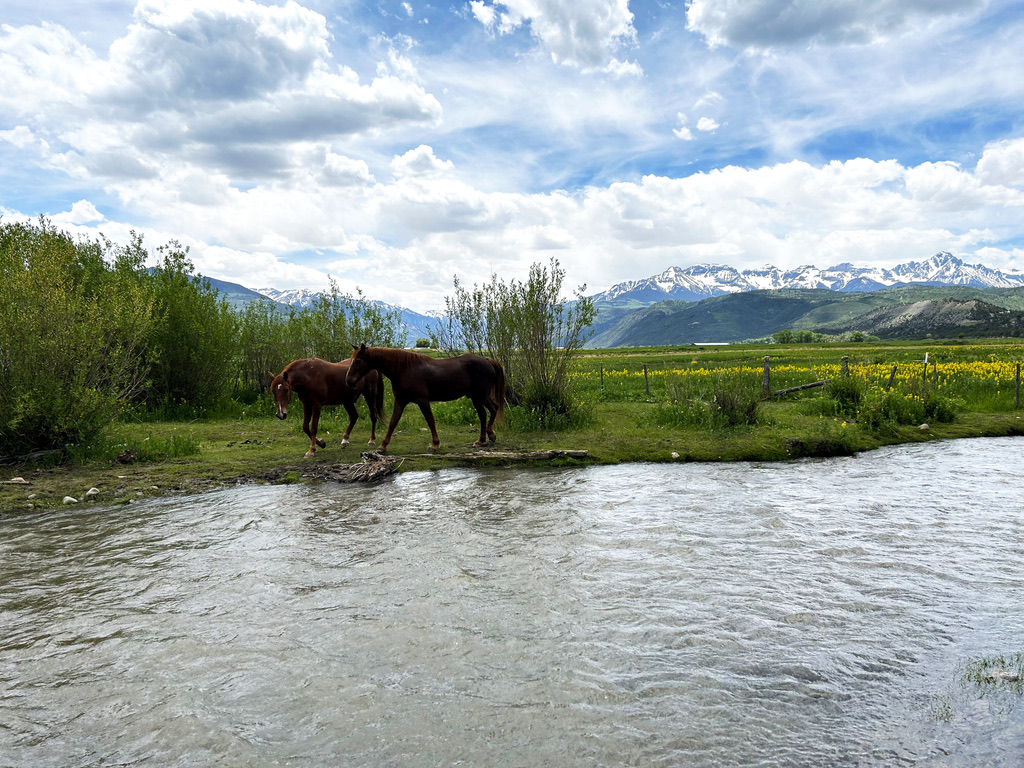
Then, on January 8th, the ranch horses, Jed and Rocky, were put down at ages 32 and 34 to spare them a harsh winter. It was the right but painful decision. Their loss also left our employment uncertain, as the owners soon made clear their intent to show the ranch and consider offers. Since our housing depended on this job, we began seeking new opportunities—only to be interrupted by the next challenge.
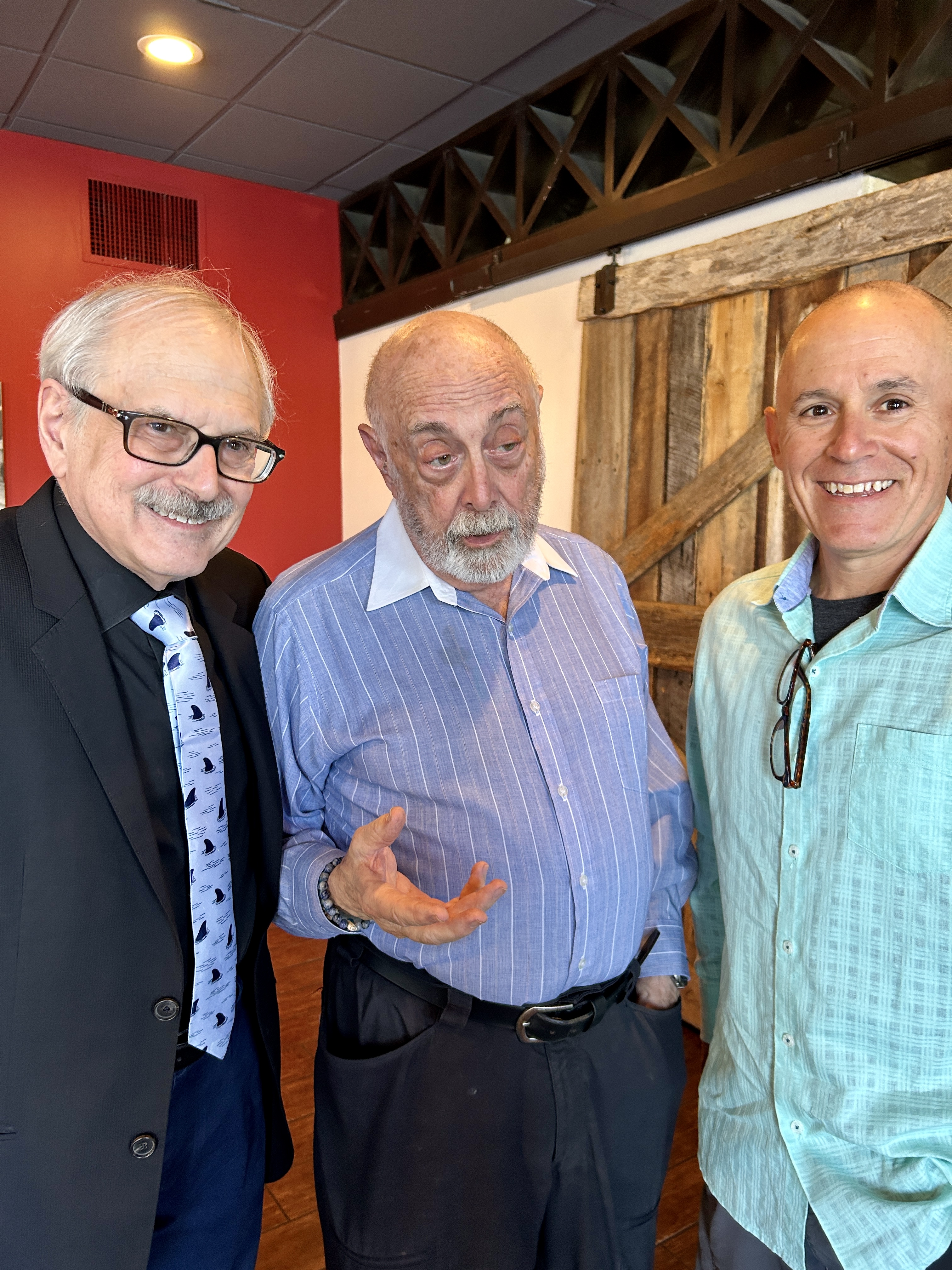
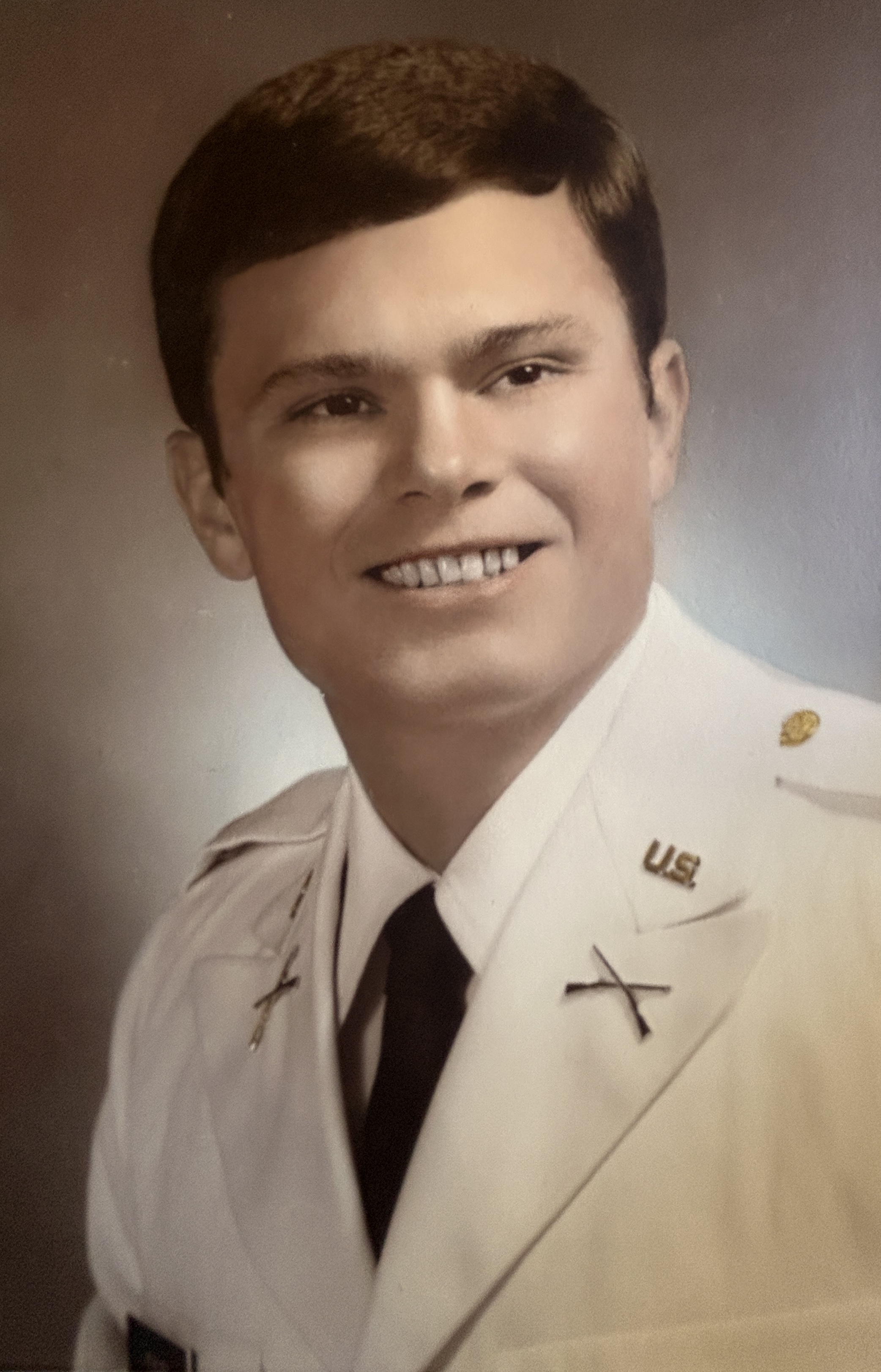
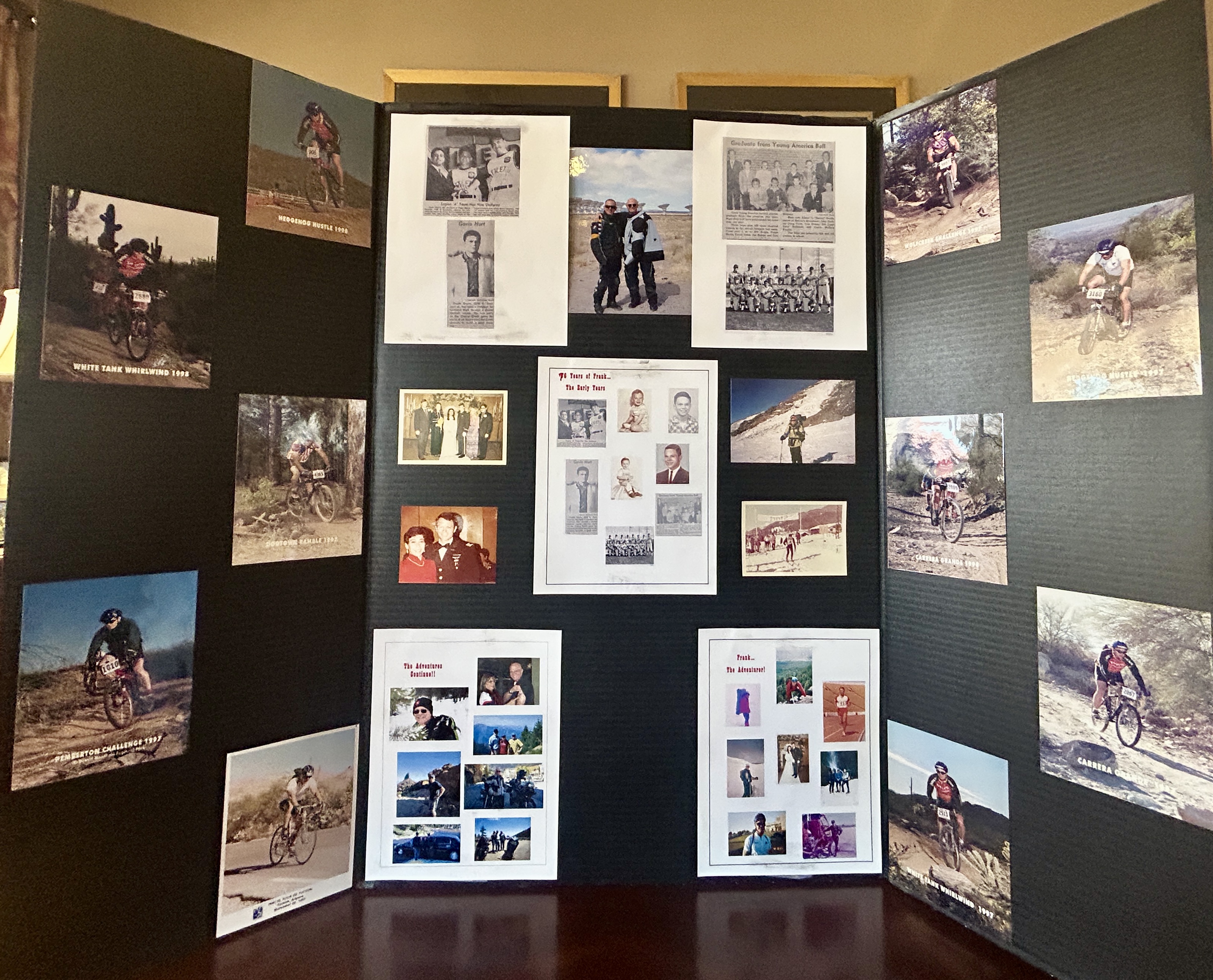
Sean’s Dad had a series of emergency room trips at the end of 2024 and the start of 2025. An MRI revealed that his bladder was free of cancer. It appeared, however, that the cancer had spread to at least his colon, if not other locations. His last trip to the ER turned into a weeks-long blur of surgery, a prolonged post-op stay with further cancer diagnoses, planning for treatment, and rehab. But to our horror, it led to hospice. Frank died peacefully in hospice on February 5, 2025, having been admitted only 24 hours earlier. The two or three weeks leading up to Frank’s passing were among the hardest Sean and I have ever experienced.
Sean comforted his Mom while his Dad navigated complicated procedures, excruciating pain, a total loss of dignity, and a loss of control over how he wanted to die. We both spent sleepless nights at the side of his hospital and rehab bed. We helped negotiate with doctors and nurses for the pain management he needed, but was not being given. In the end, we were able to get Frank the relief he so desperately needed. We were by his side, listening to his favourite music, reminiscing, and spending time as a family. But the shock of the sudden loss was more than either of us could anticipate. It was overwhelmingly devastating for us all.
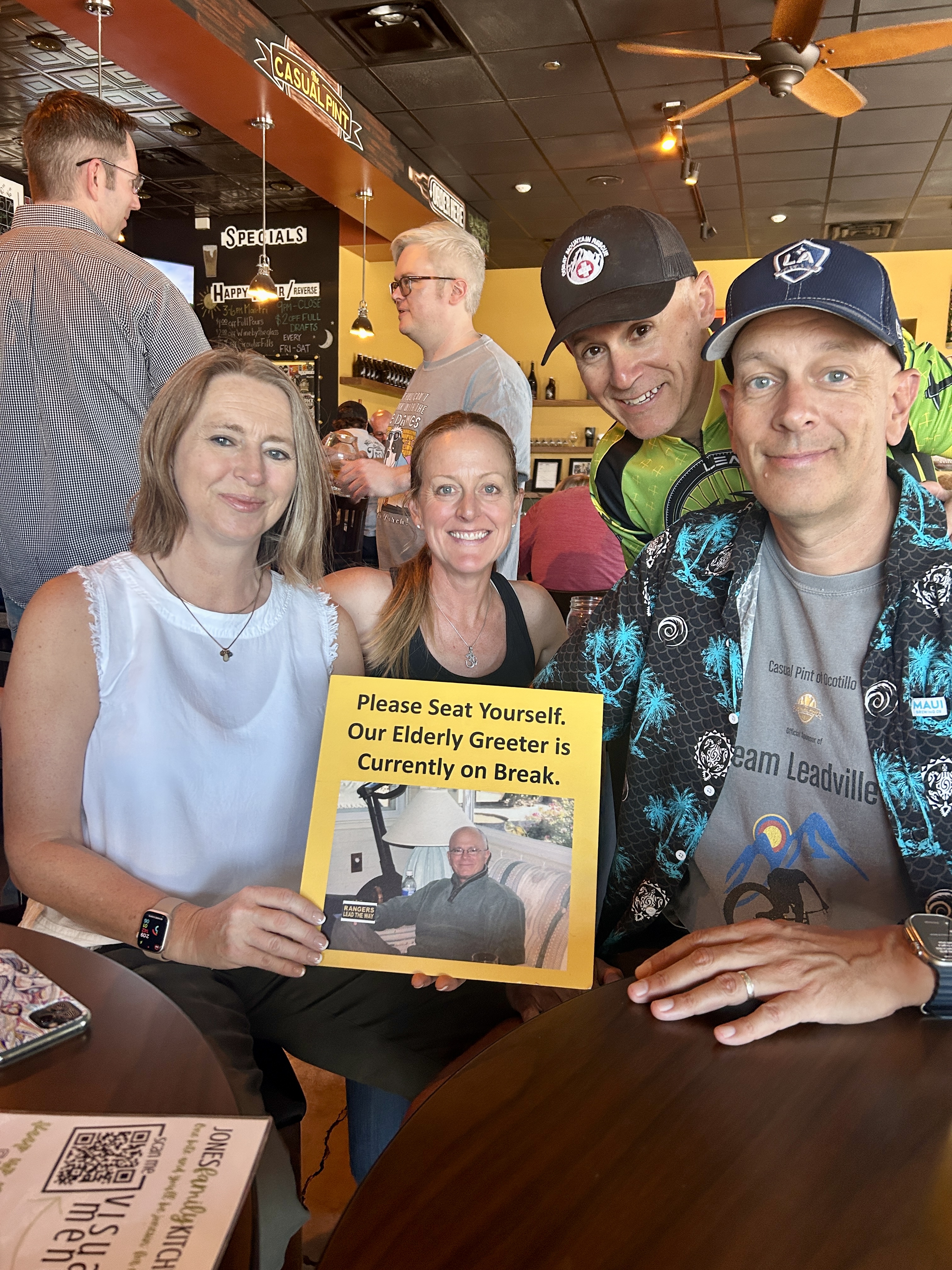
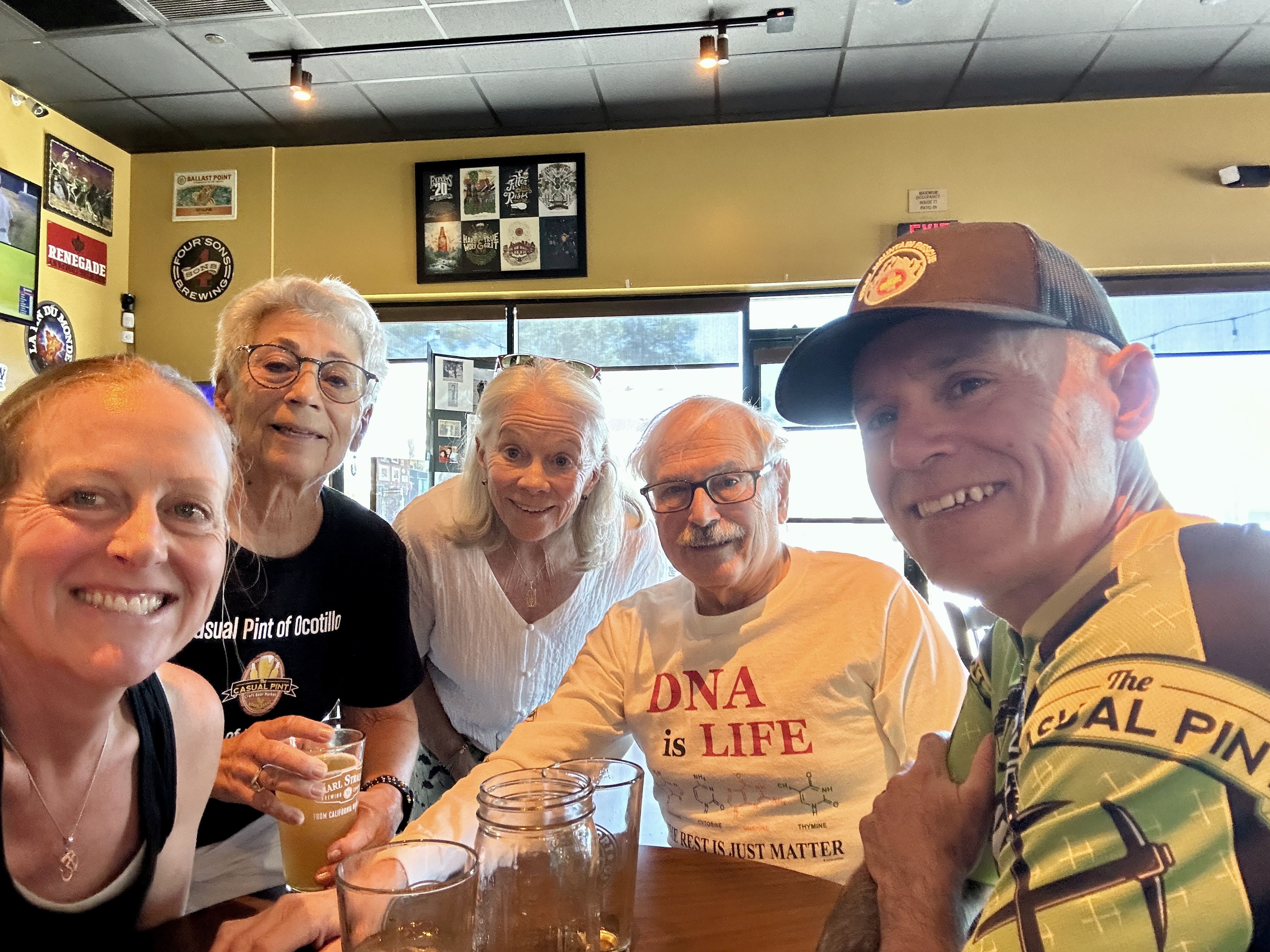
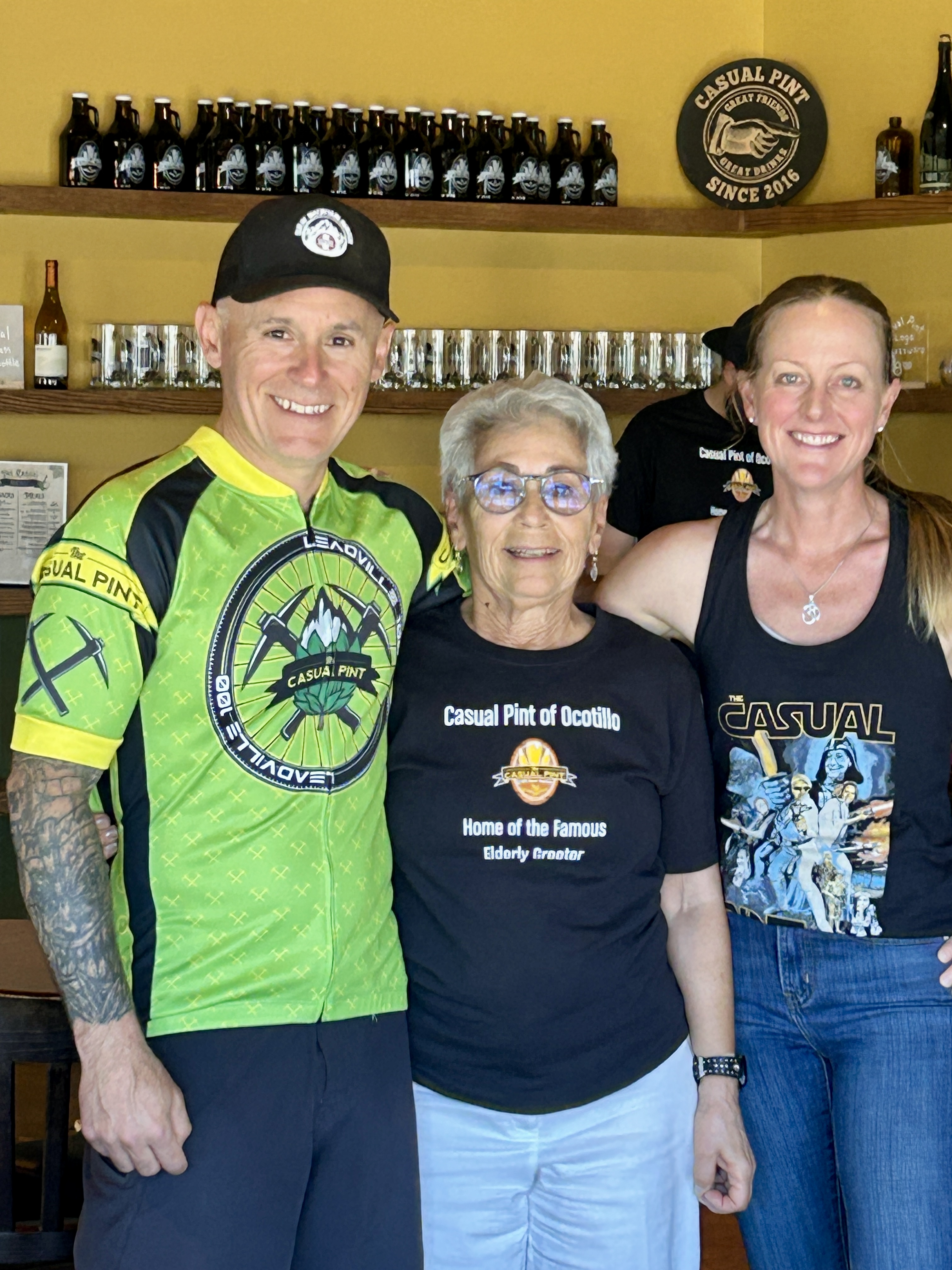
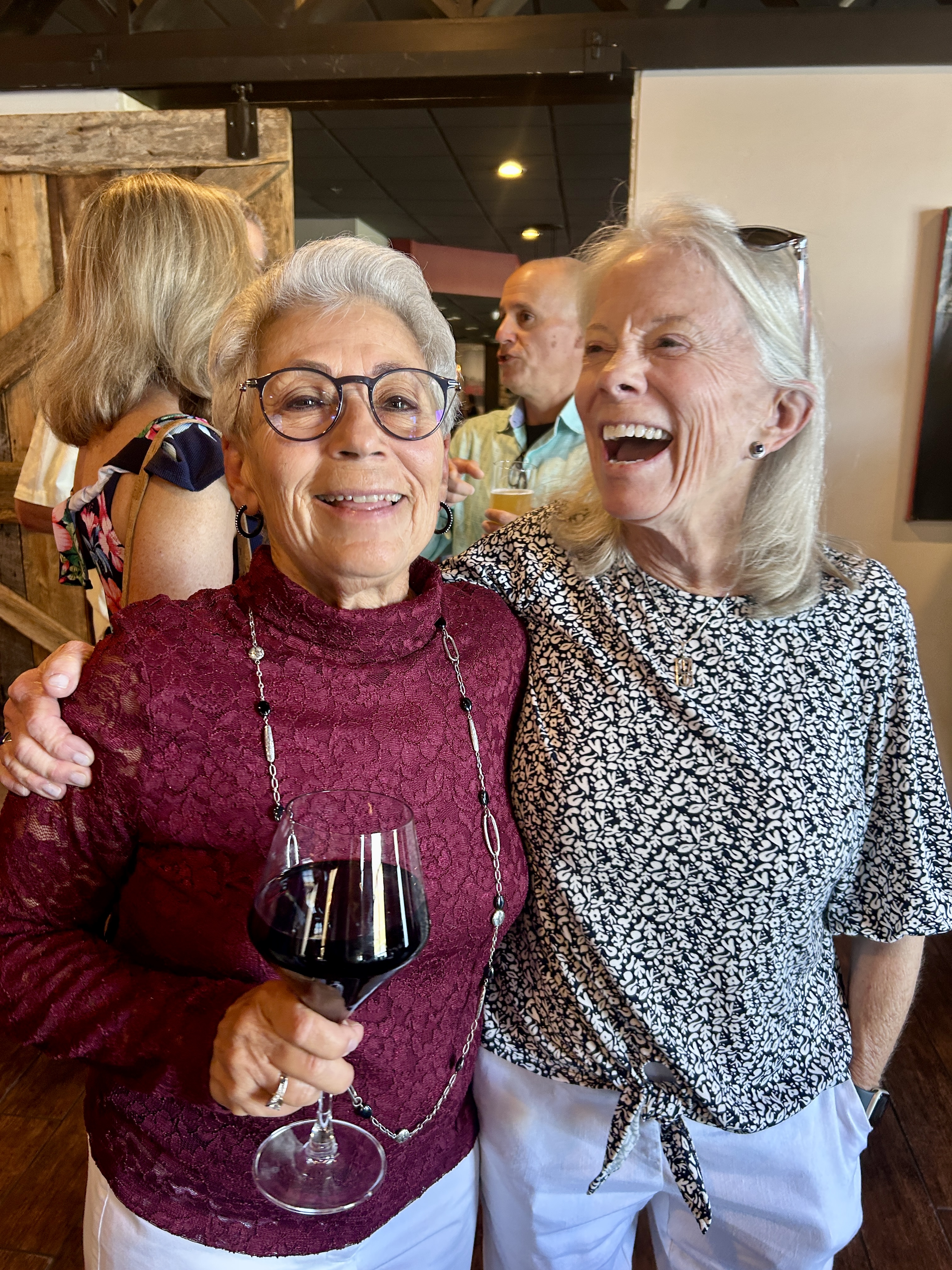
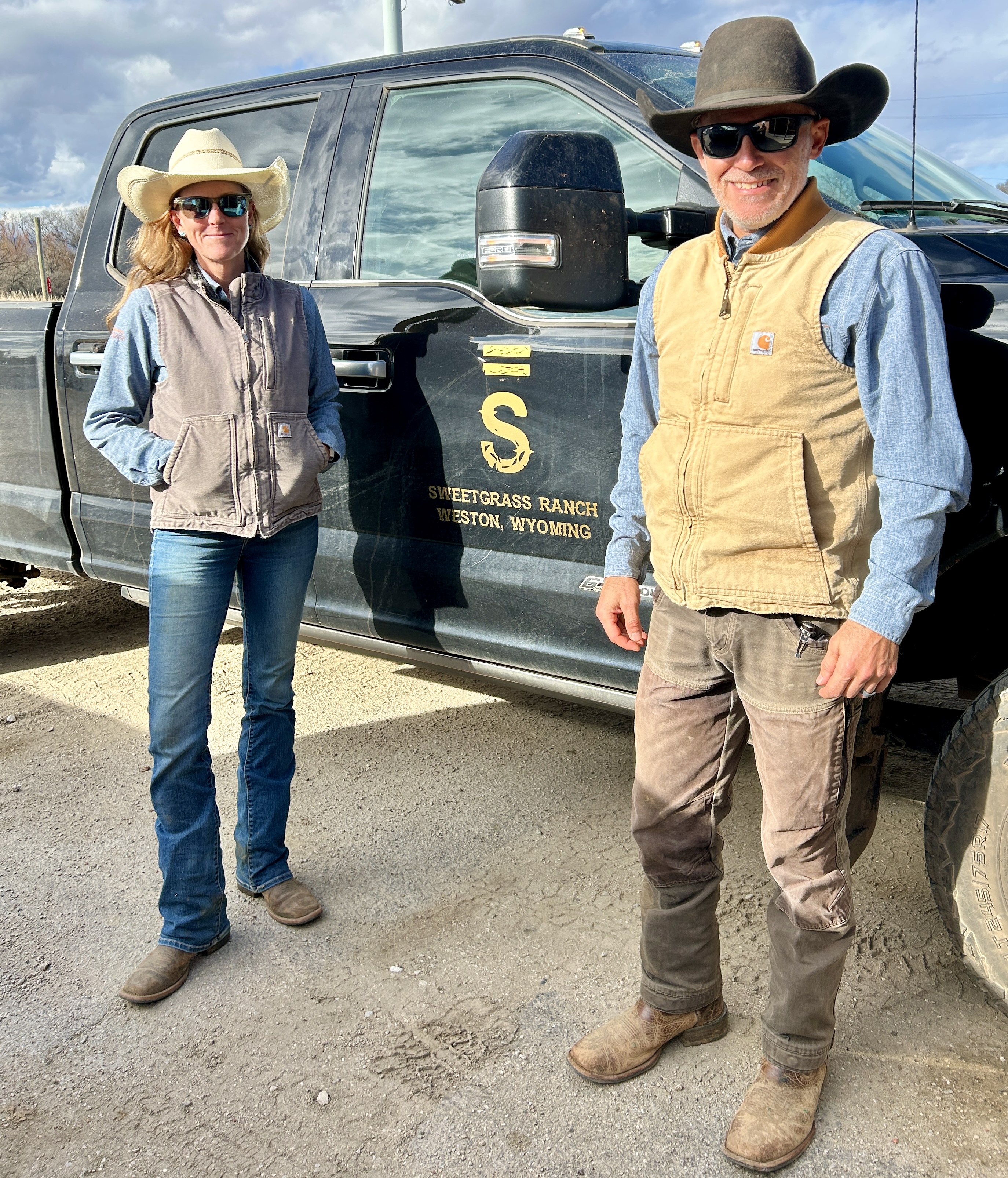
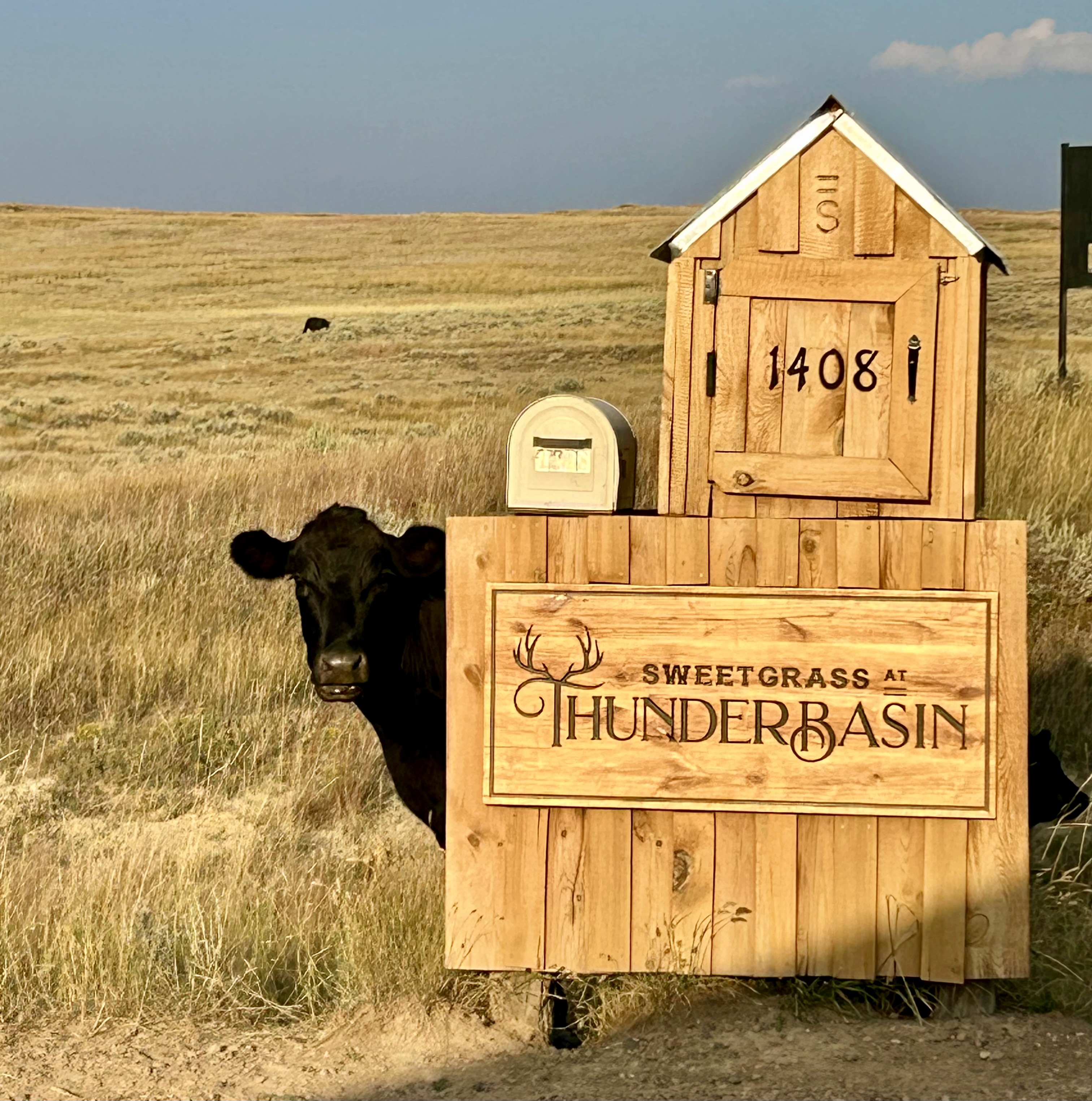
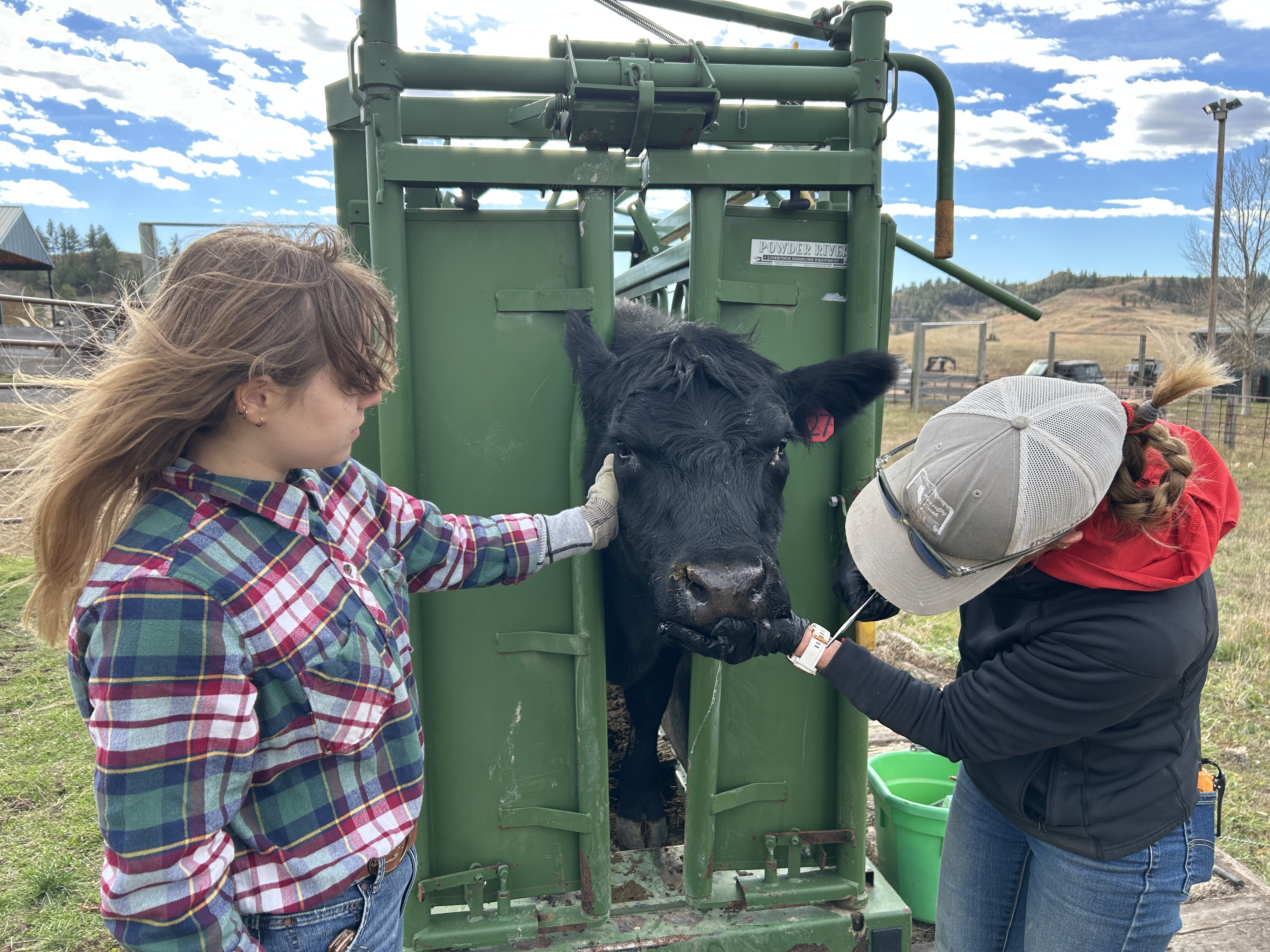
Next, while grieving and facing an uncertain future, Sean and I made a hasty, fear-based decision that, upon reflection, was poorly timed. We took a job in Weston, Wyoming, as Ranch Managers of a 5,500-acre cattle and upland-bird-hunting ranch. It was a great opportunity: good pay, a bonus structure, excellent housing, and the hope for stability we needed. However, they asked us to arrive within a week of interviewing, much sooner than was wise. After relocating, we worked incredibly long hours for seven months. We only left for Frank’s celebration of life in June and took a week off for Thanksgiving; otherwise, we worked continuously. The work challenged and rewarded us physically and mentally, and we focused on milestones that would let us become fully staffed and finally earn dedicated time off.
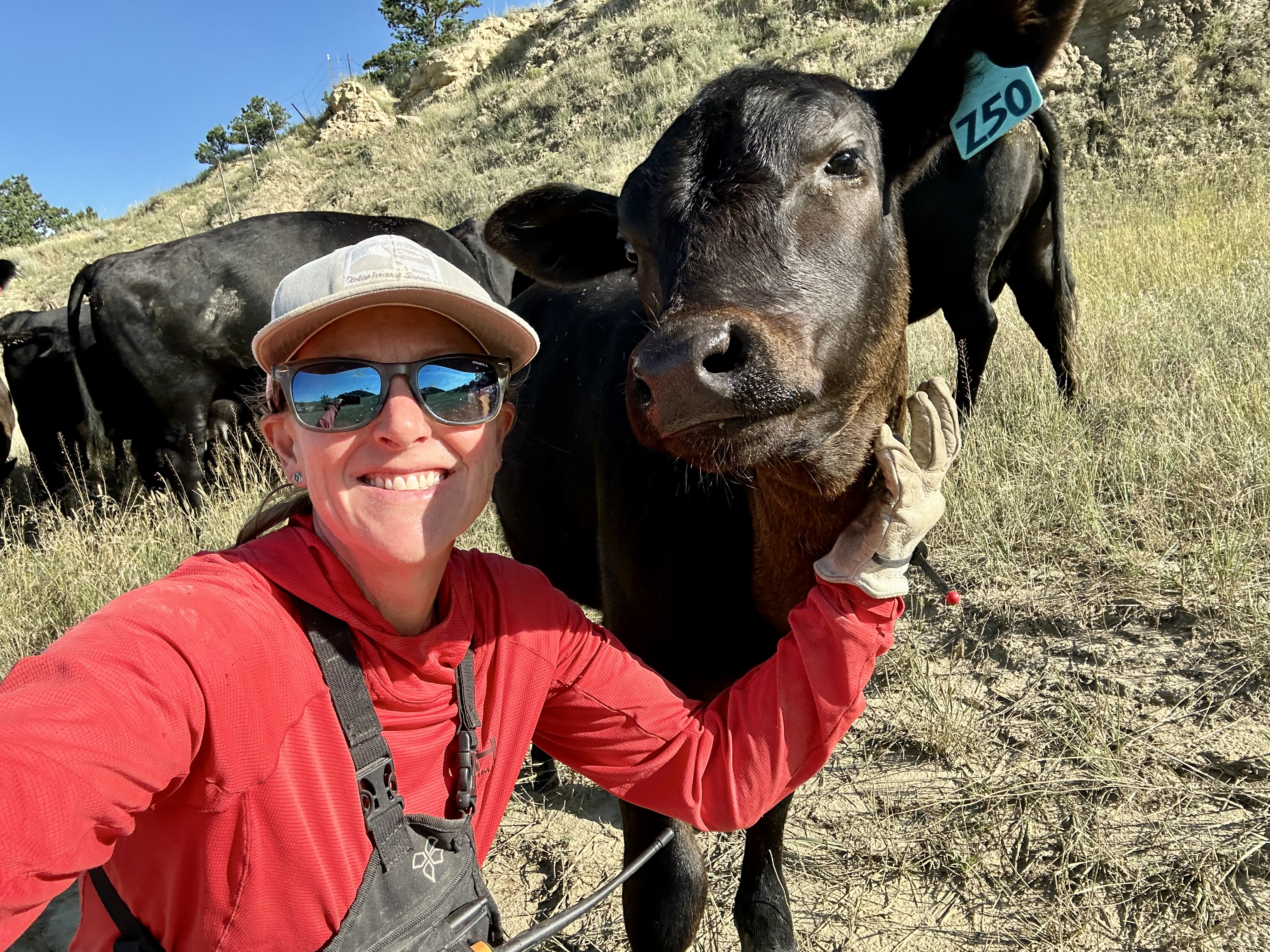
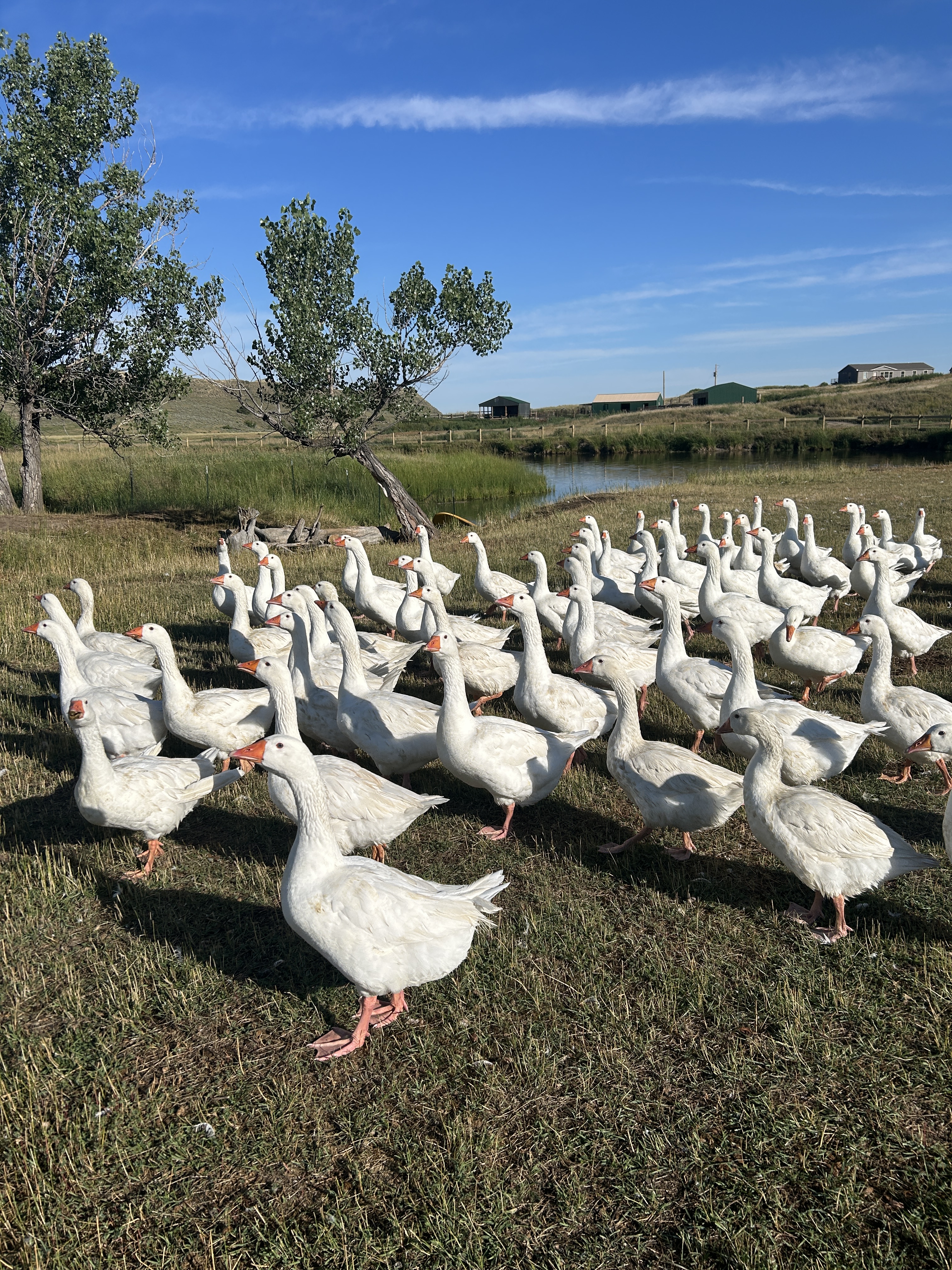
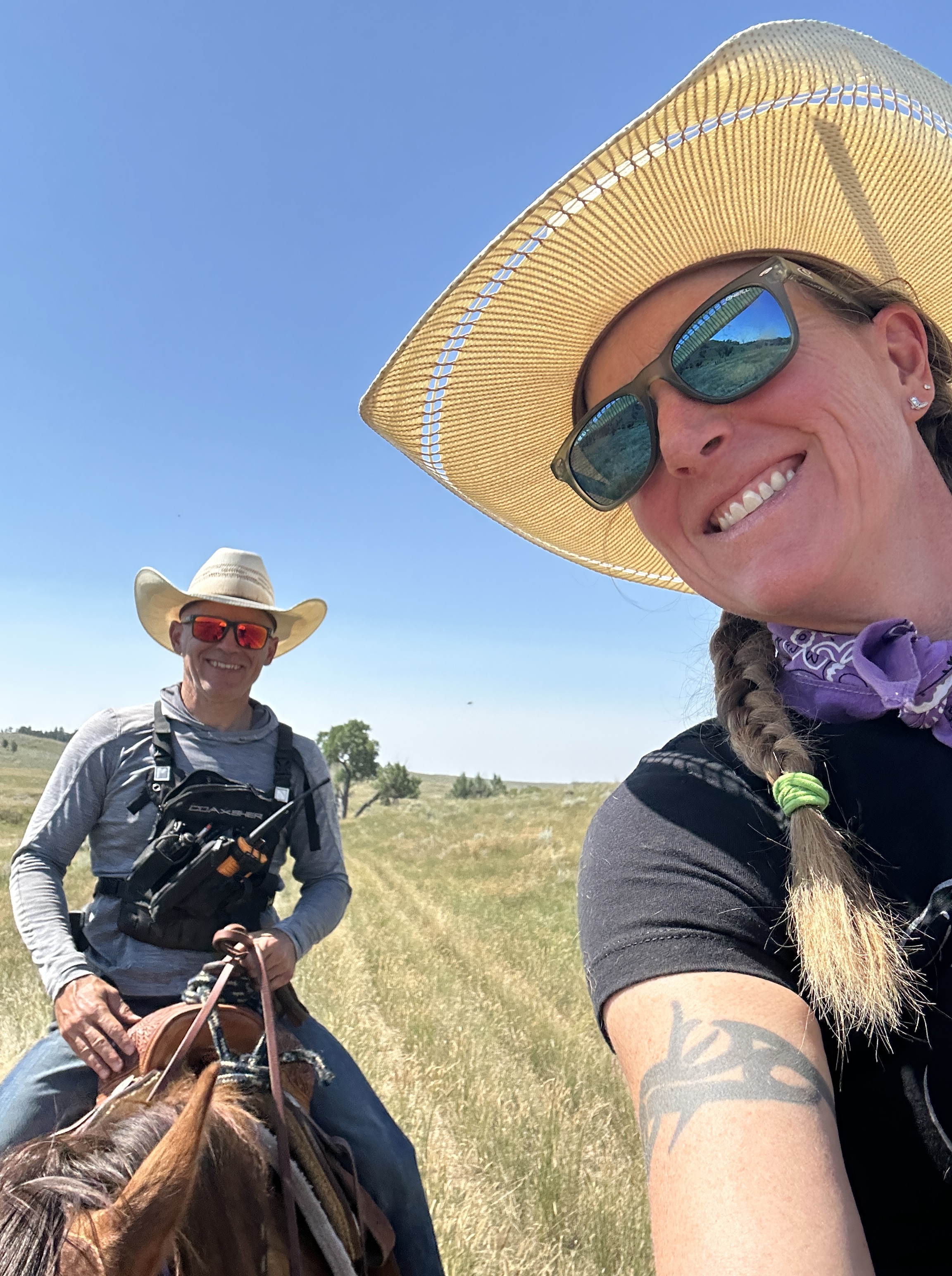
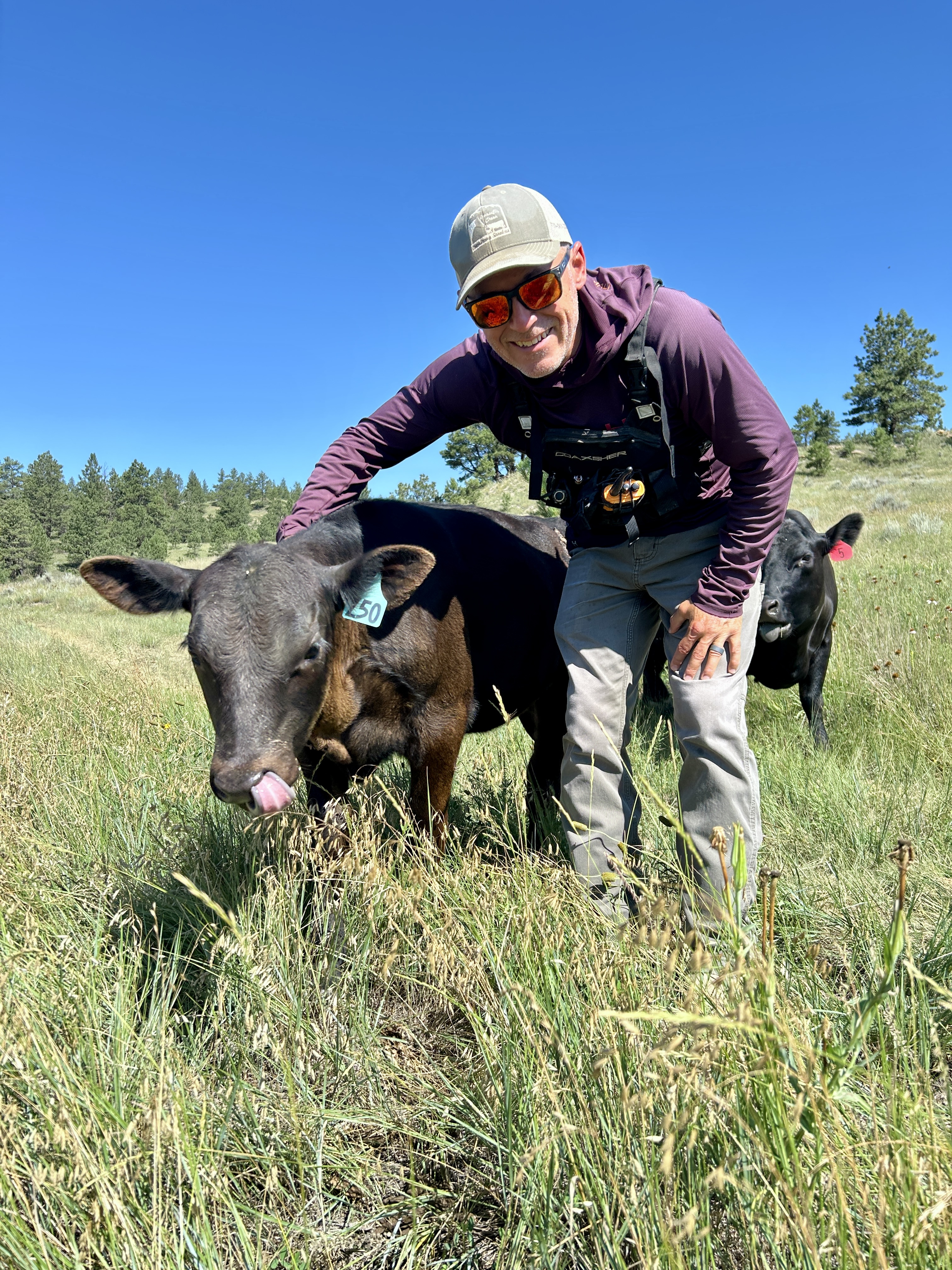
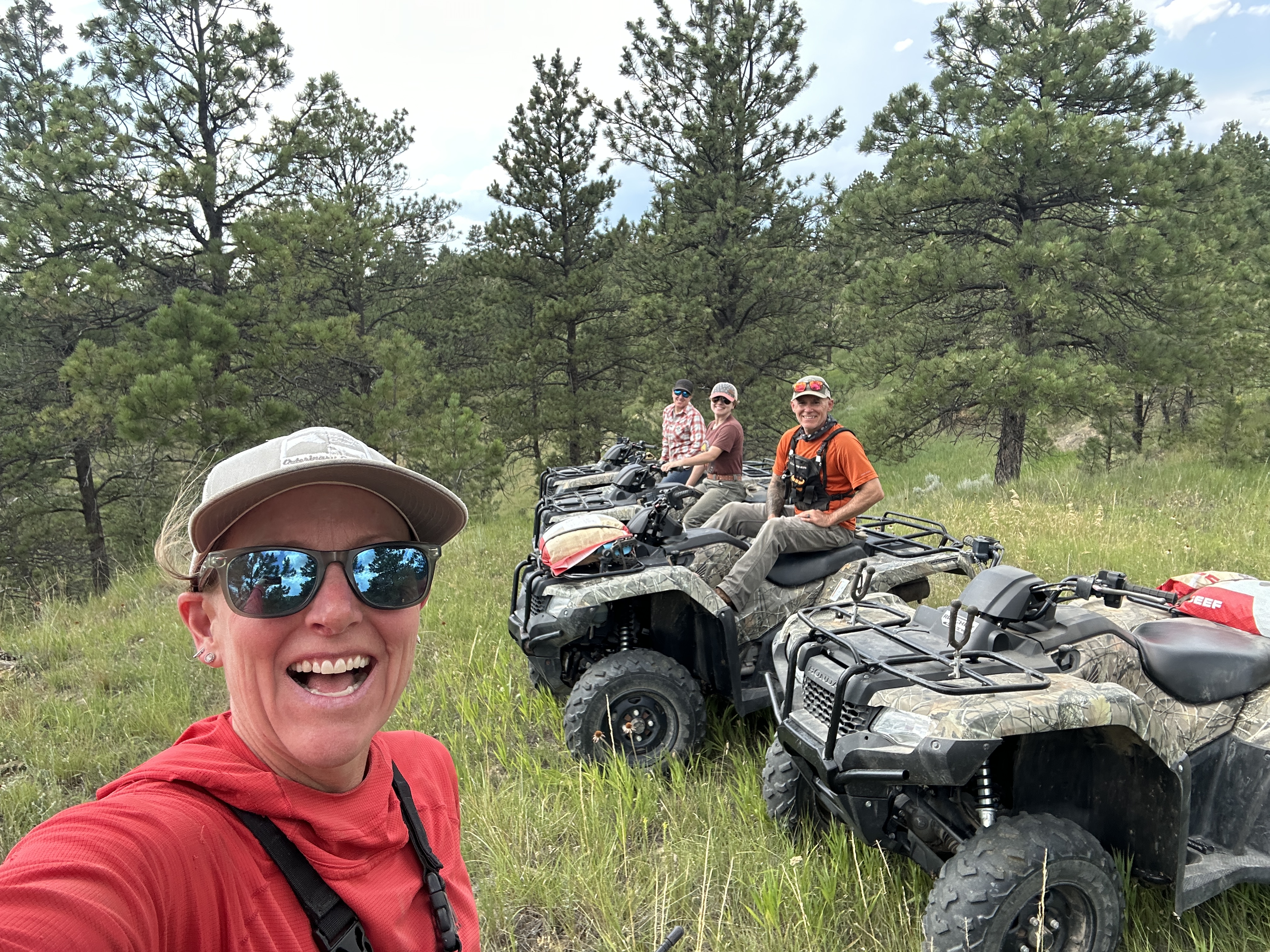
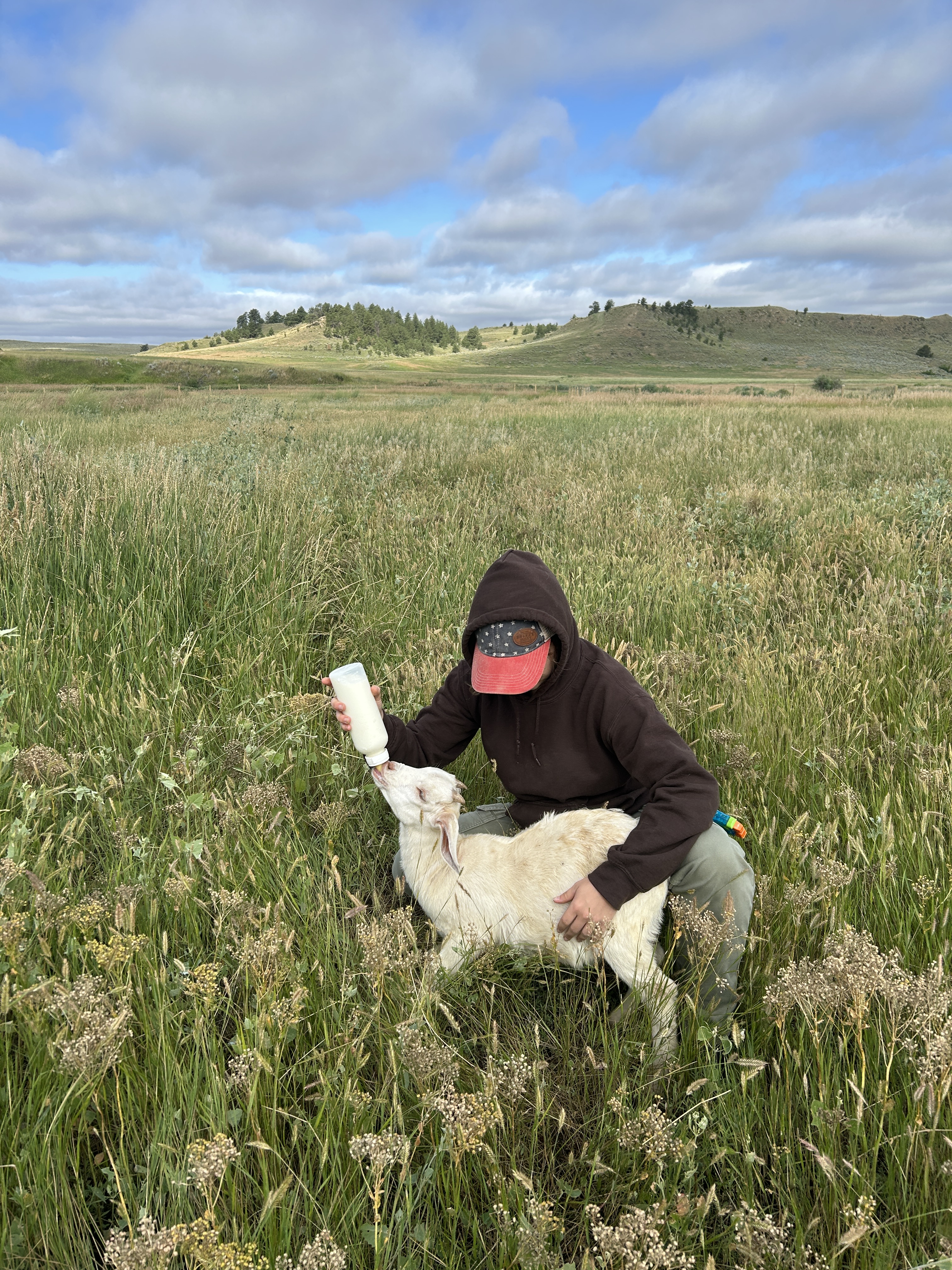
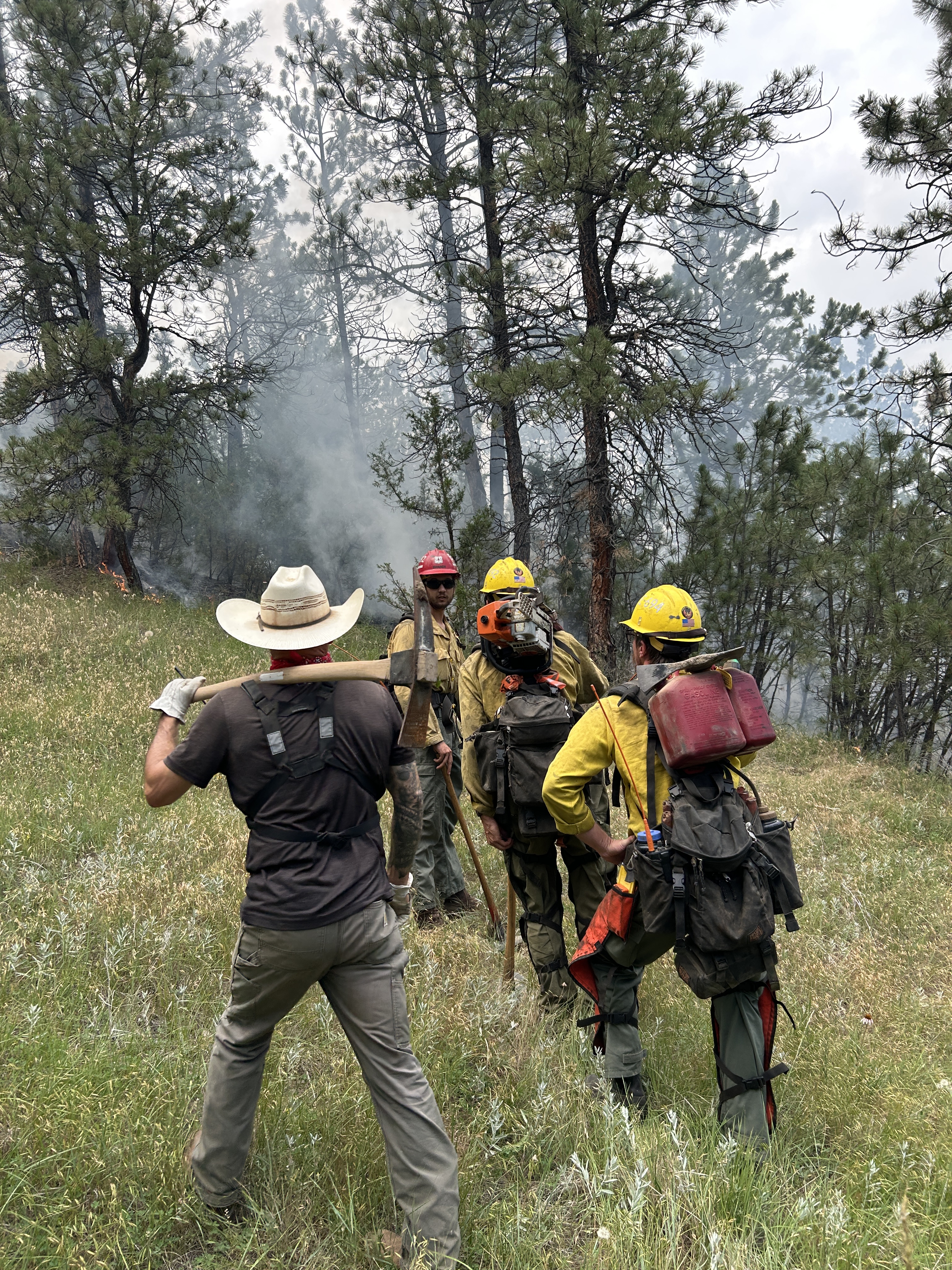
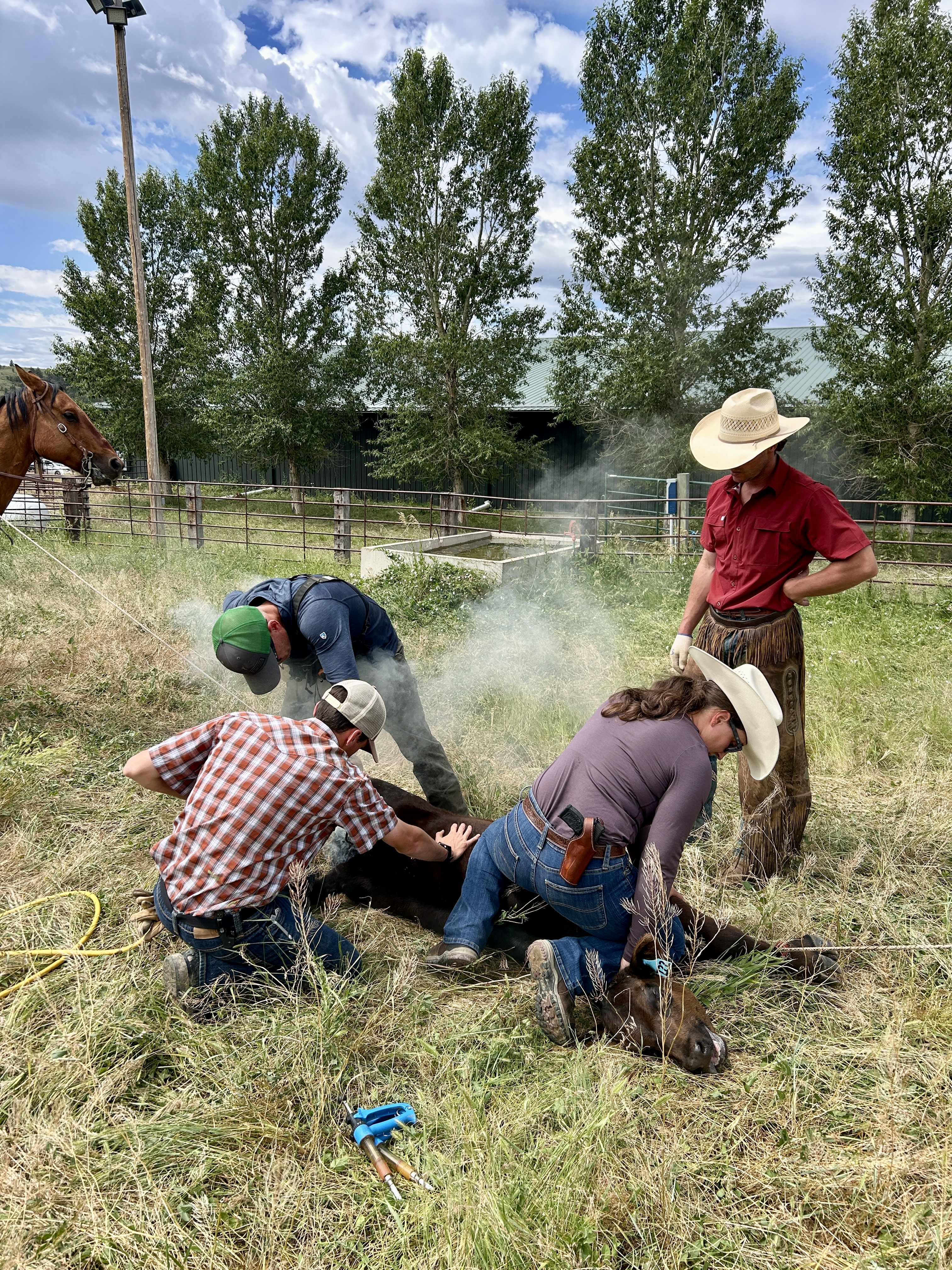
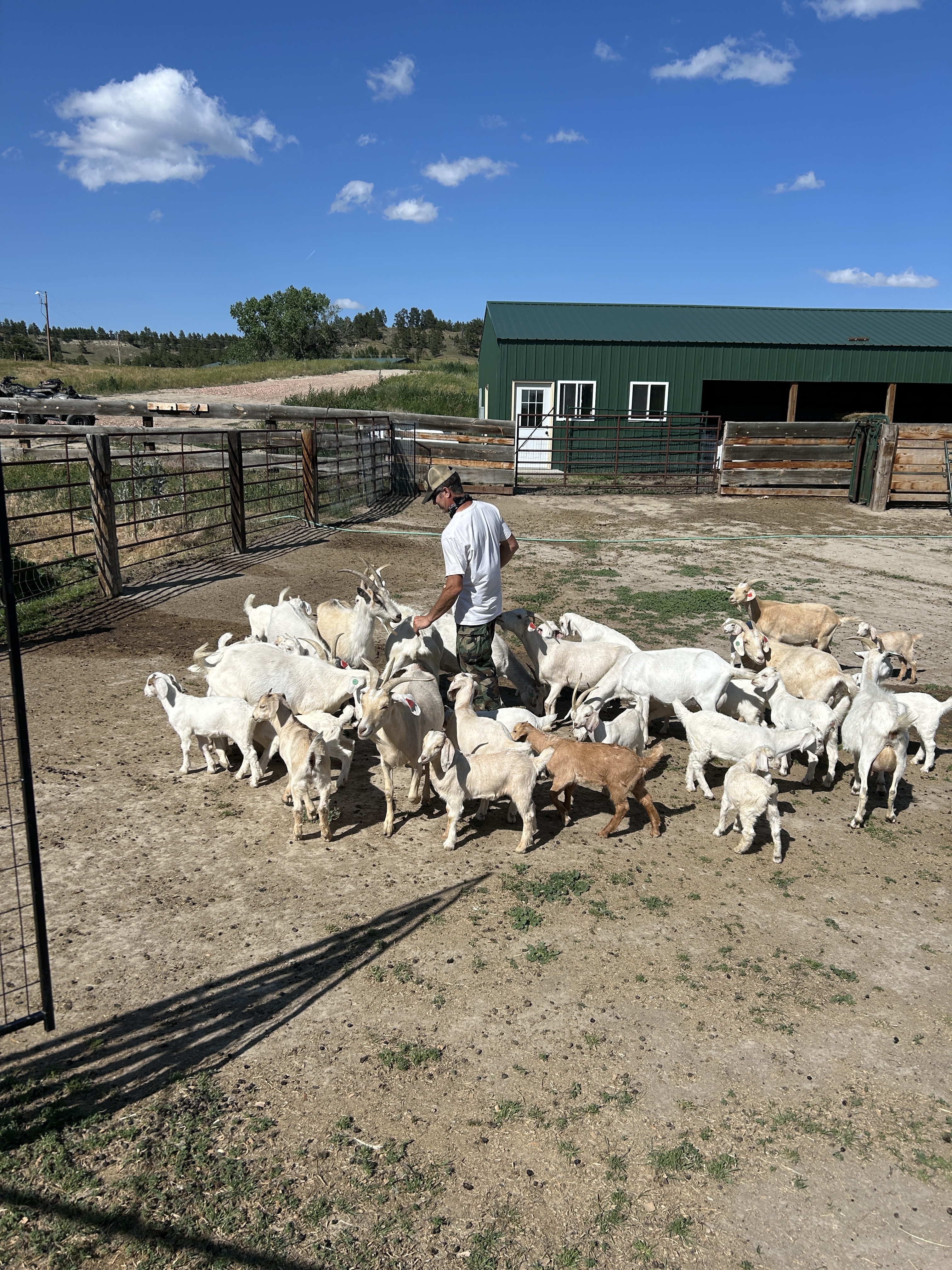
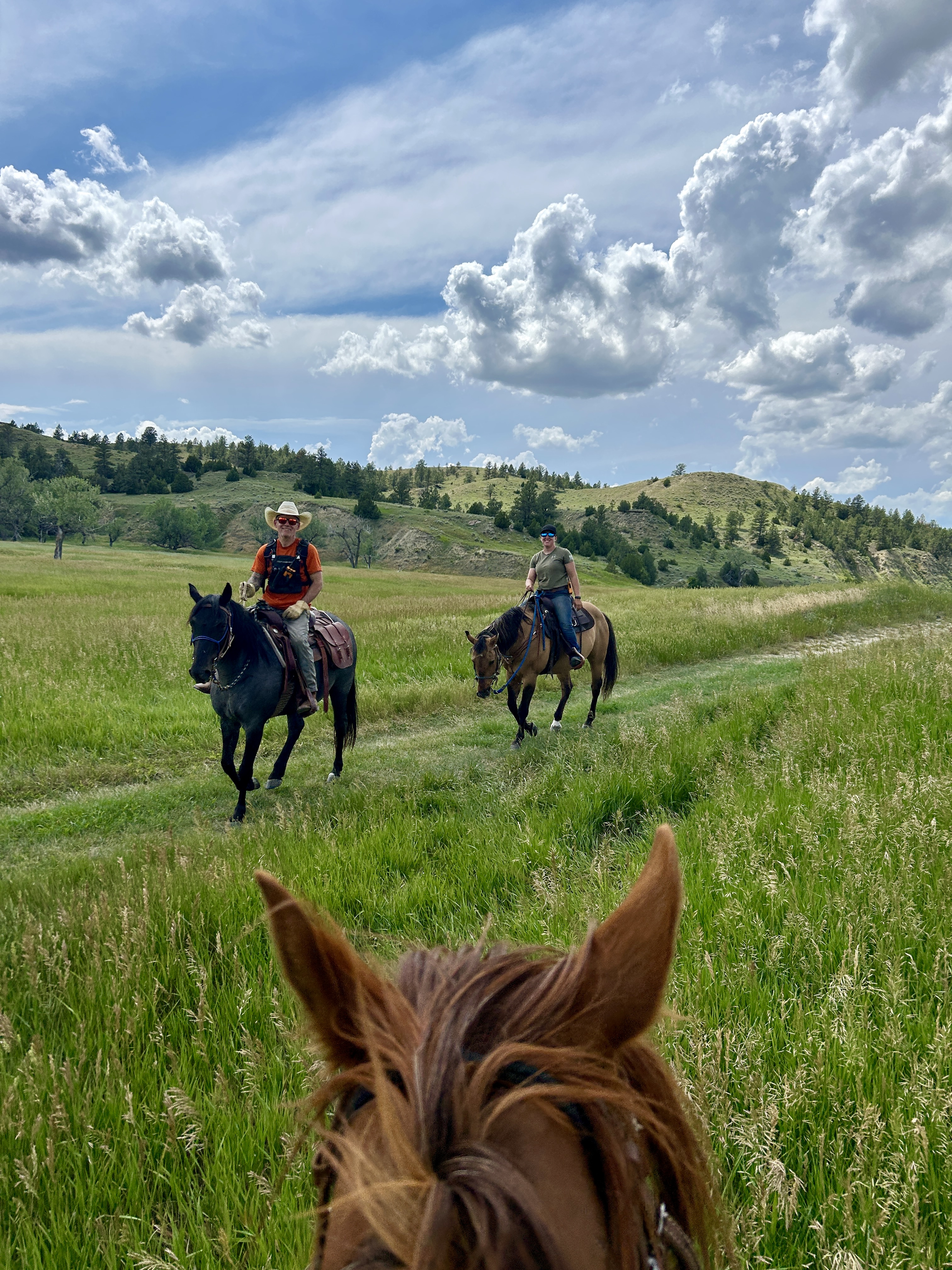
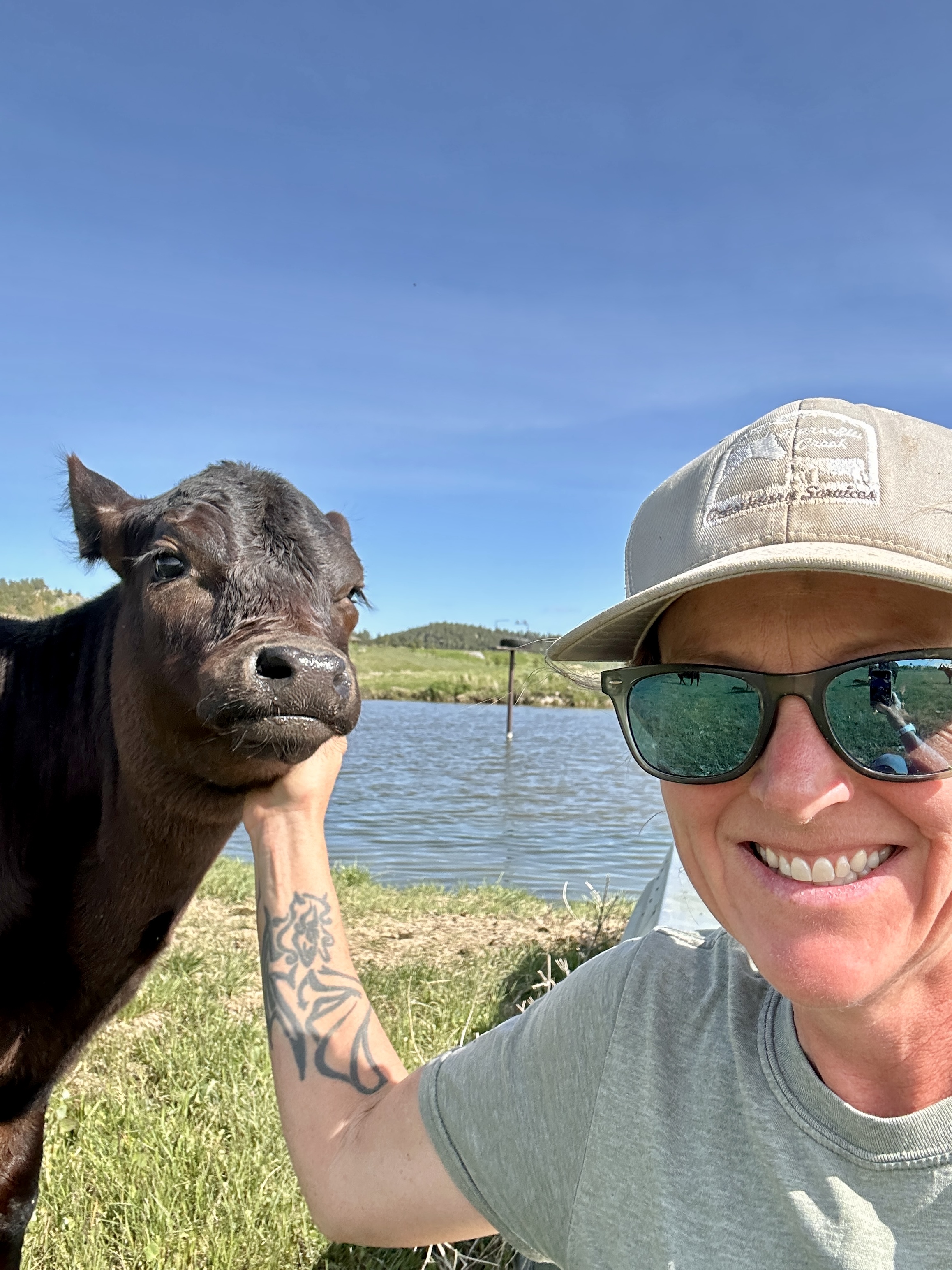
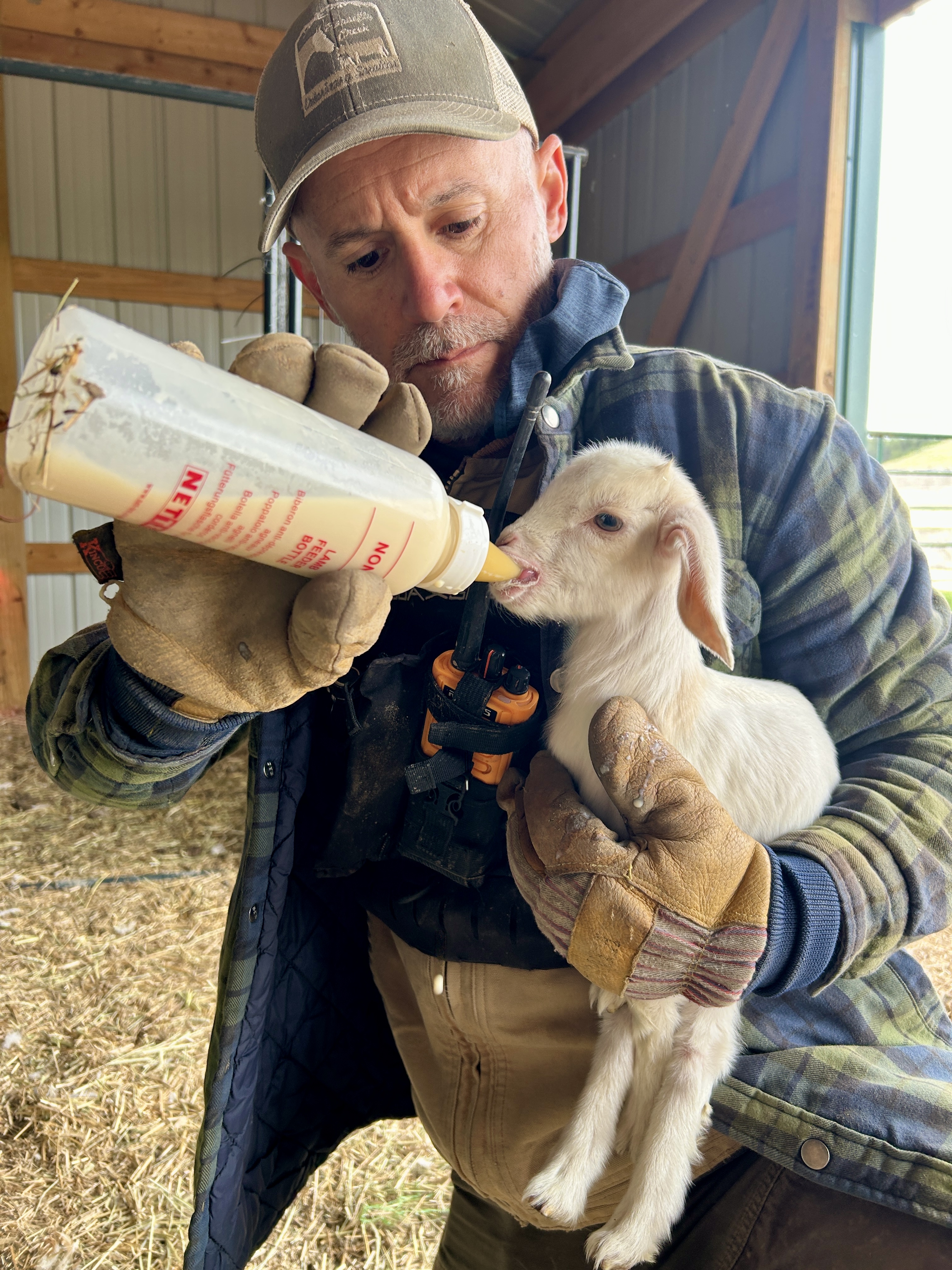
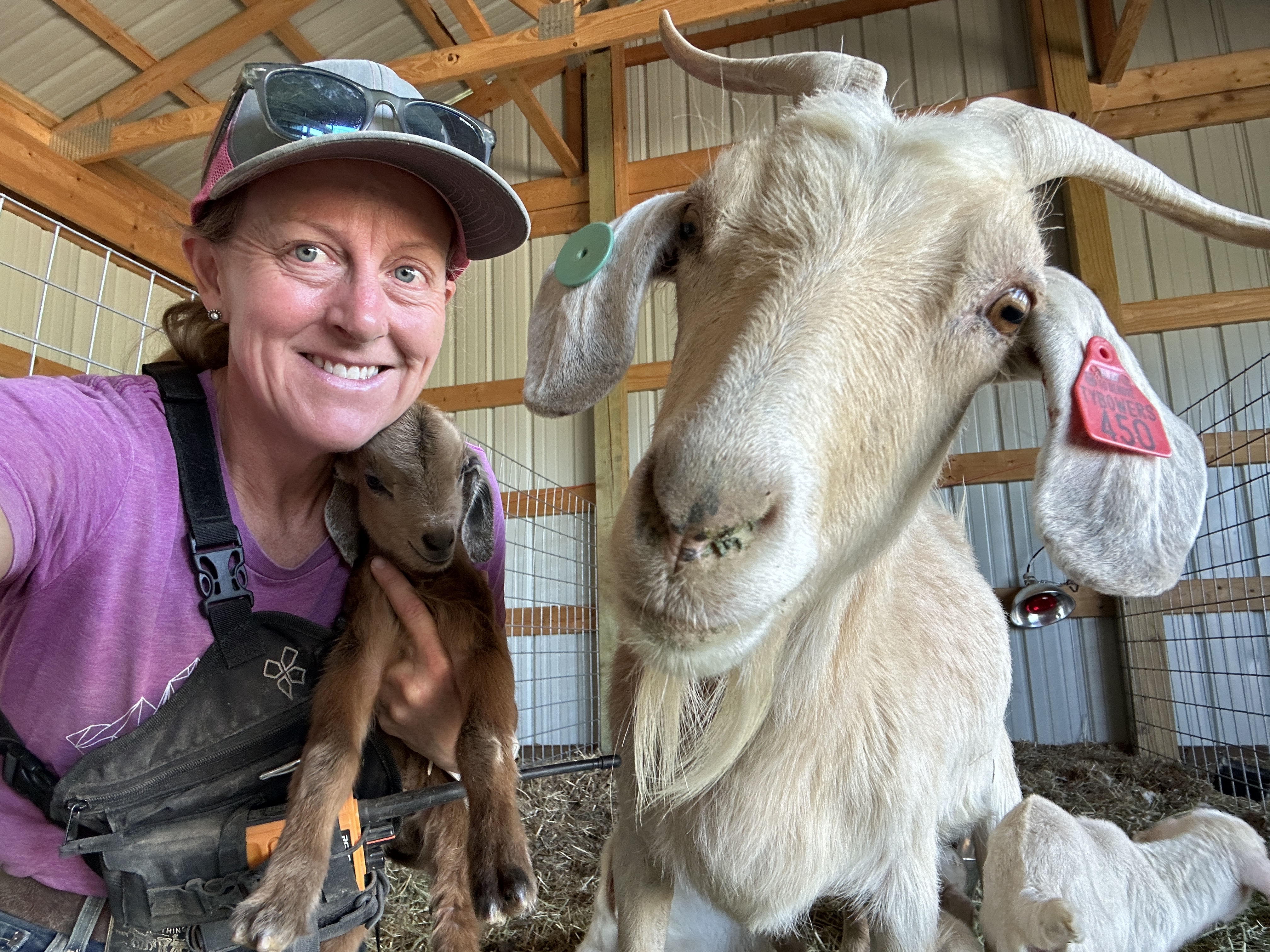
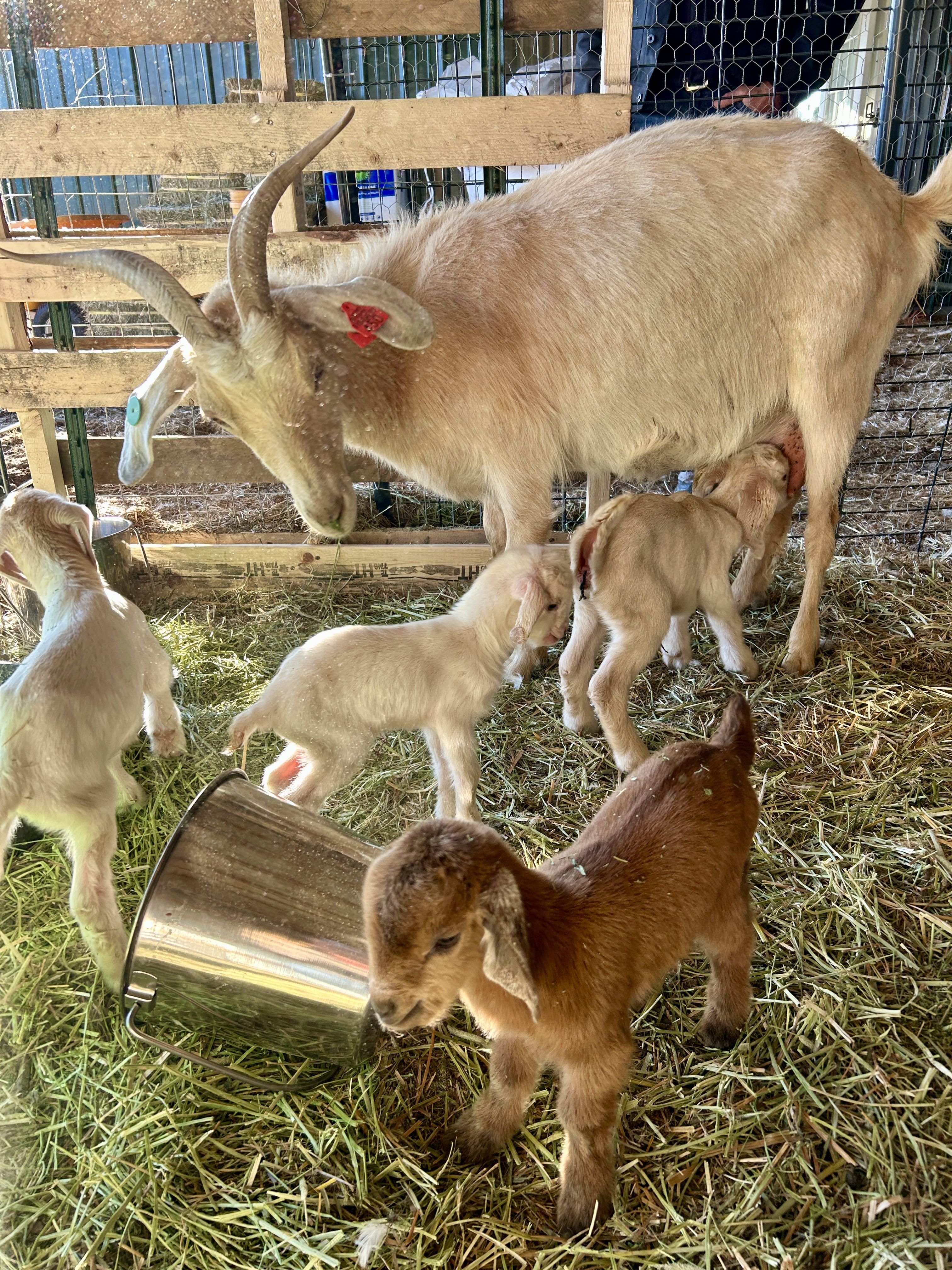
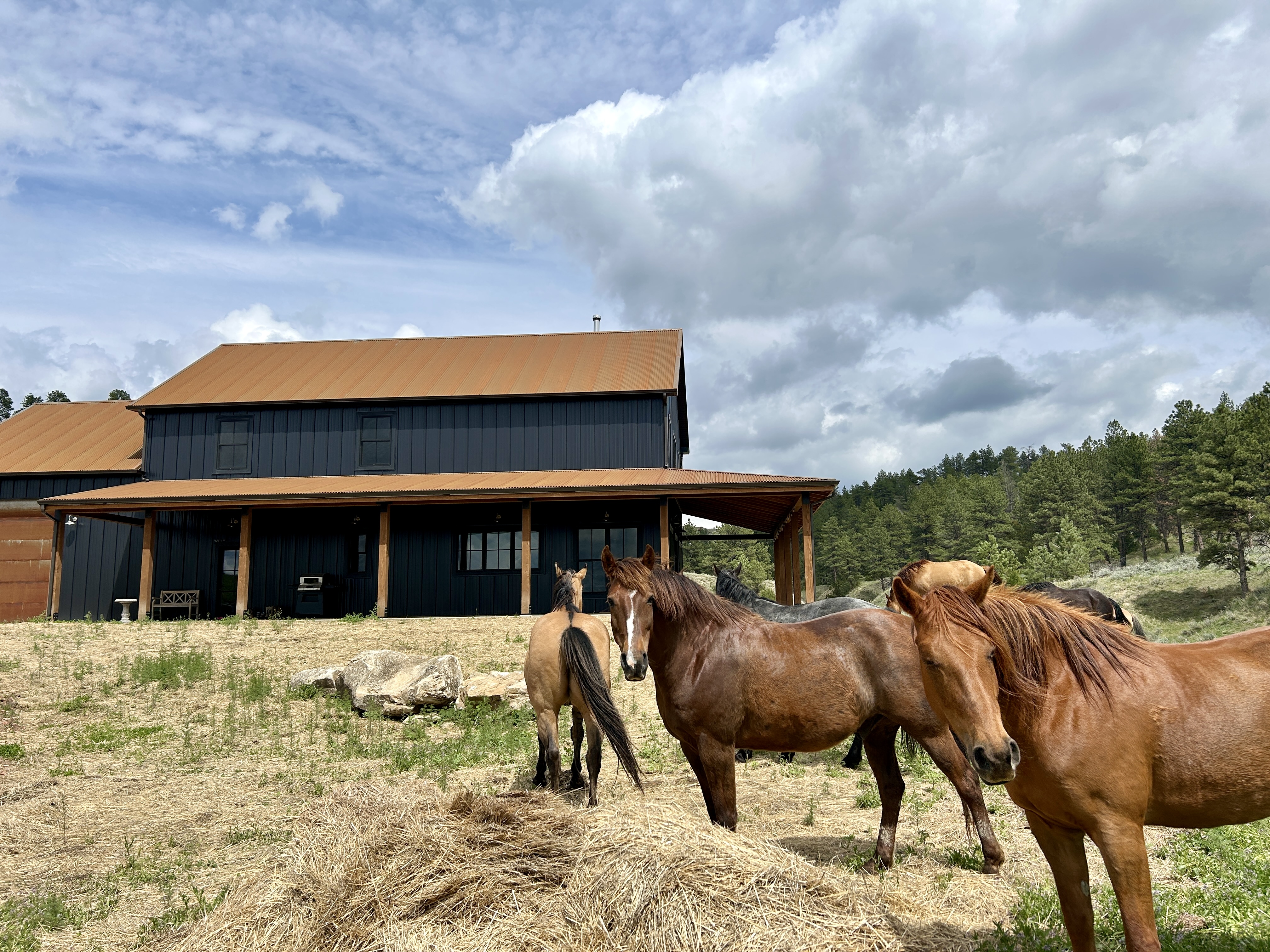

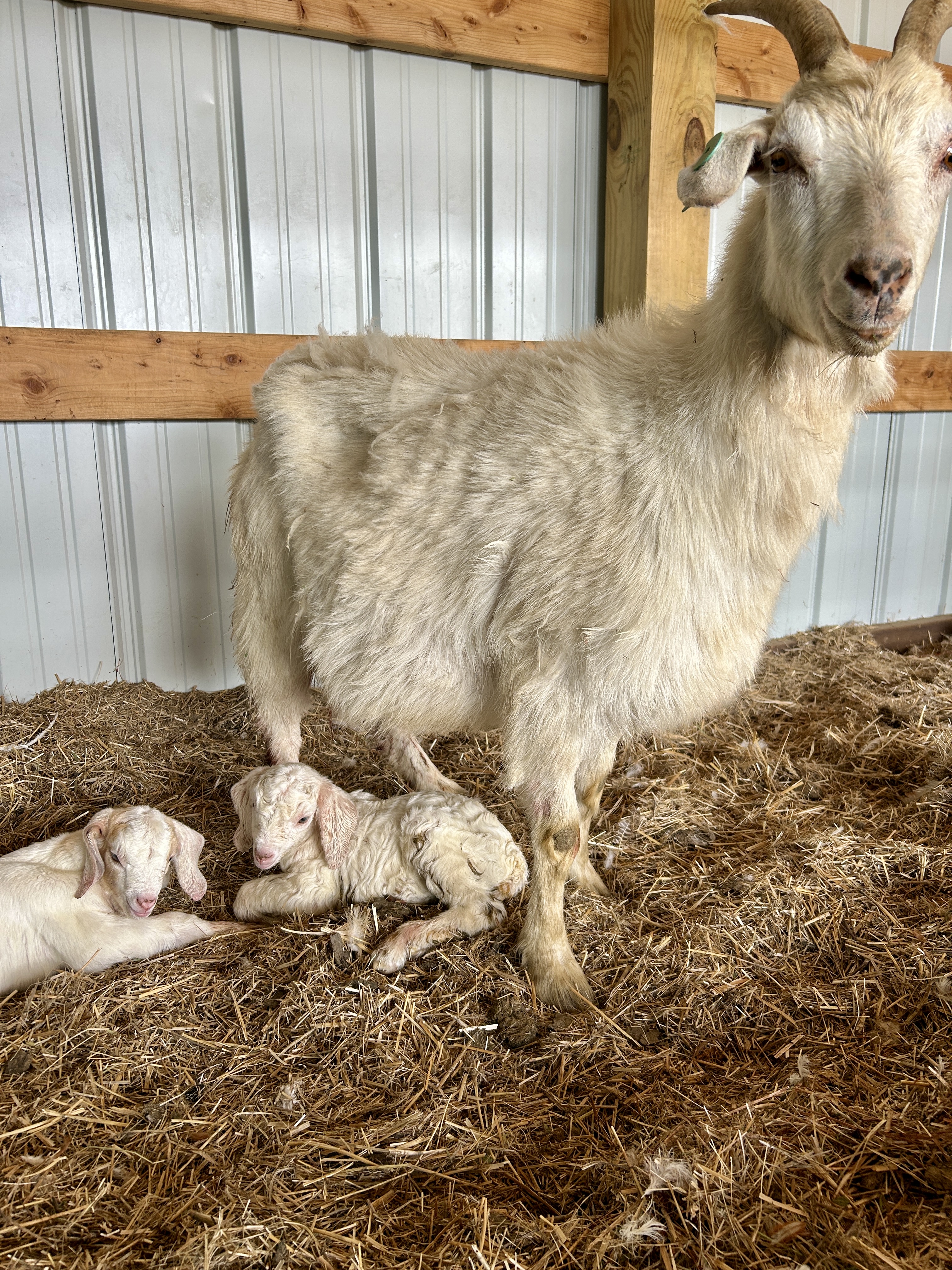
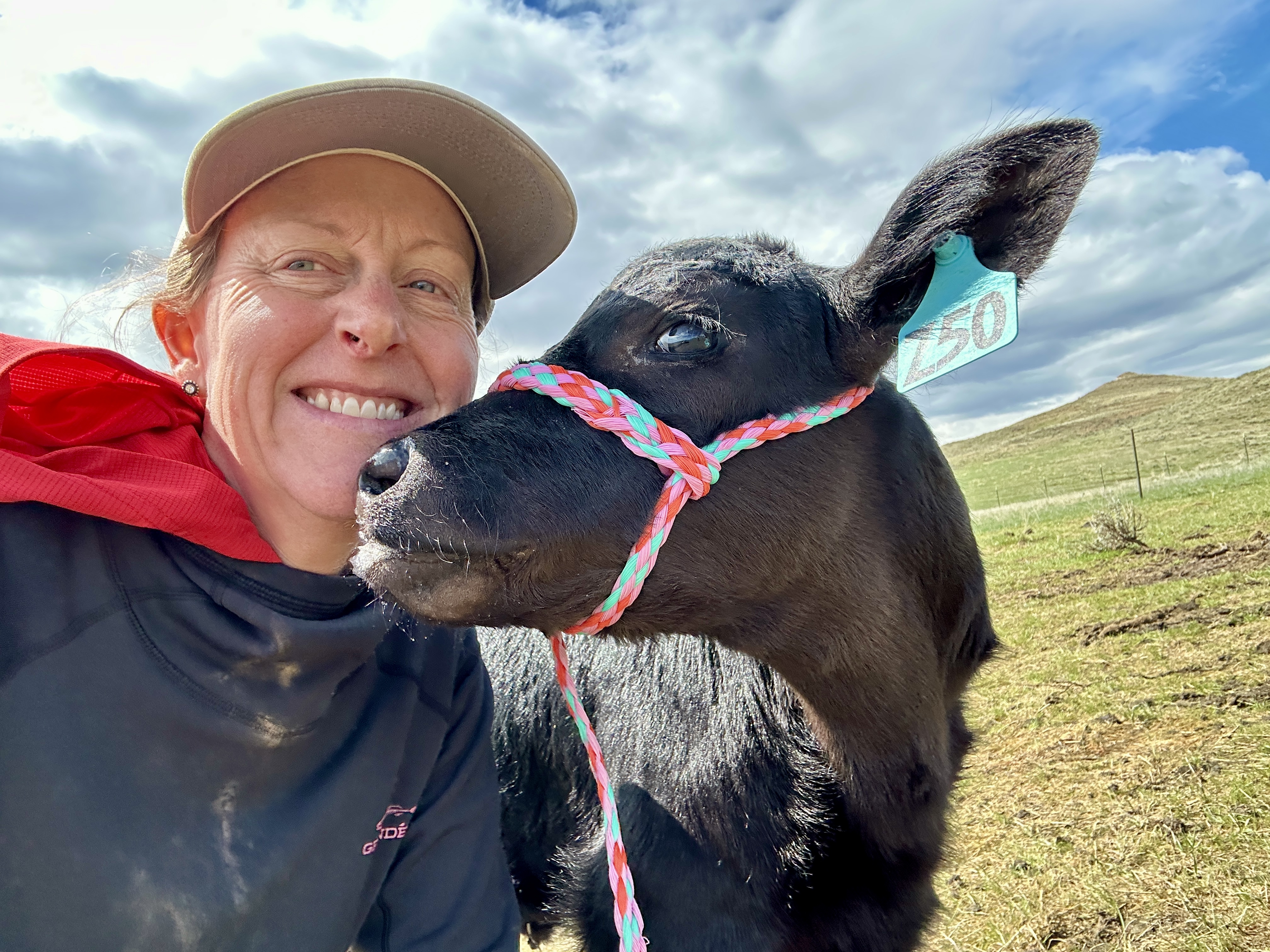
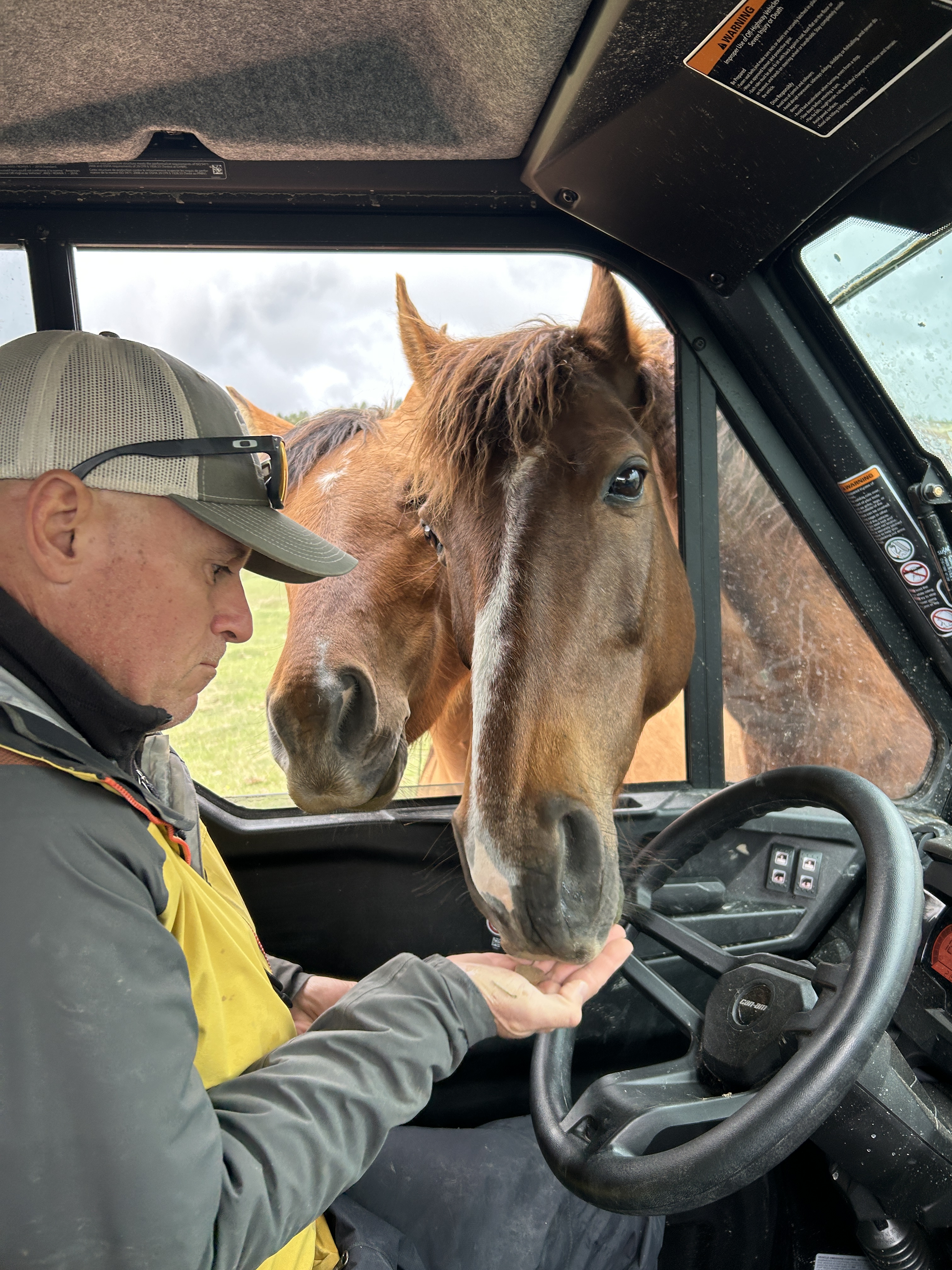

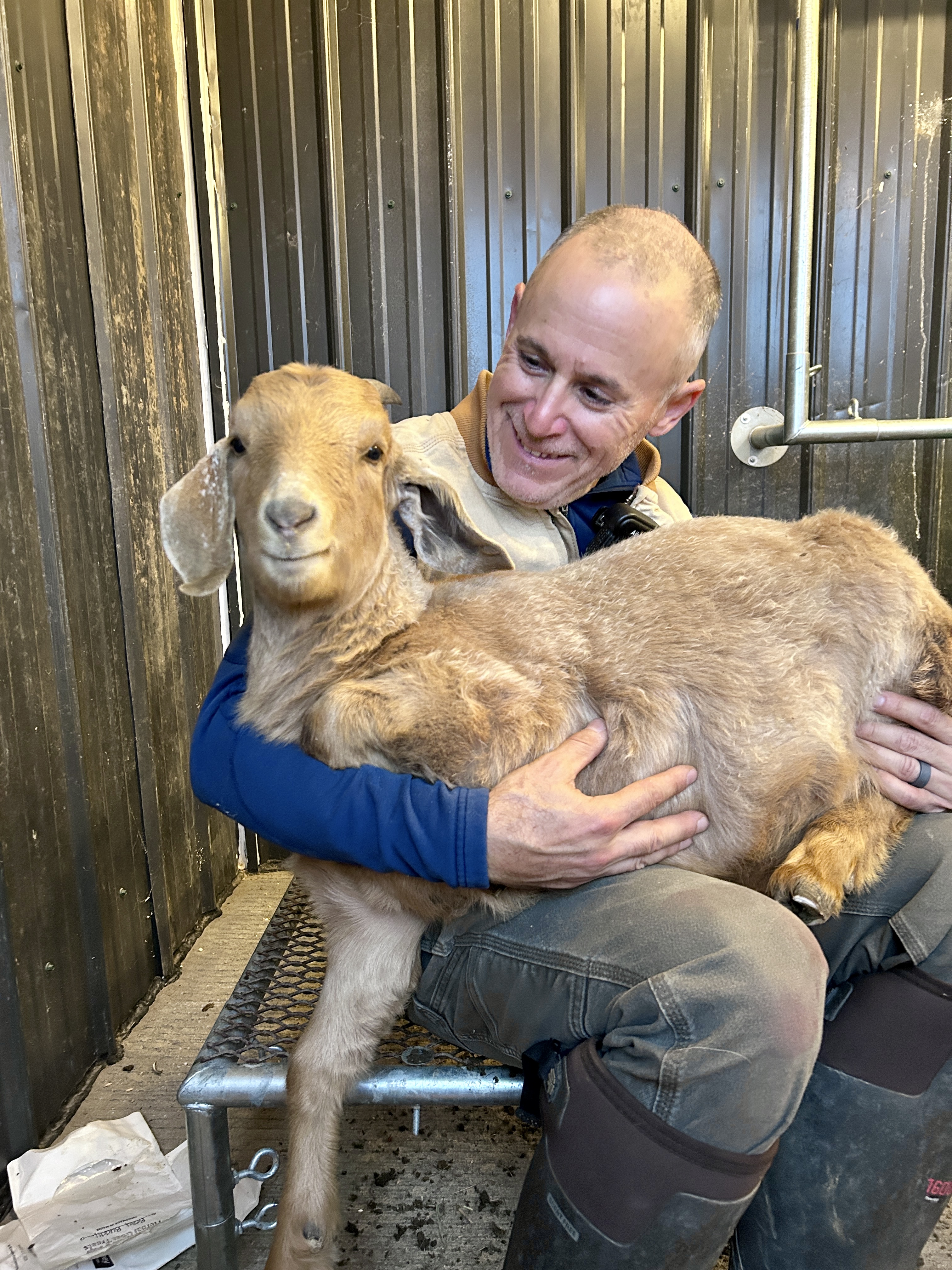
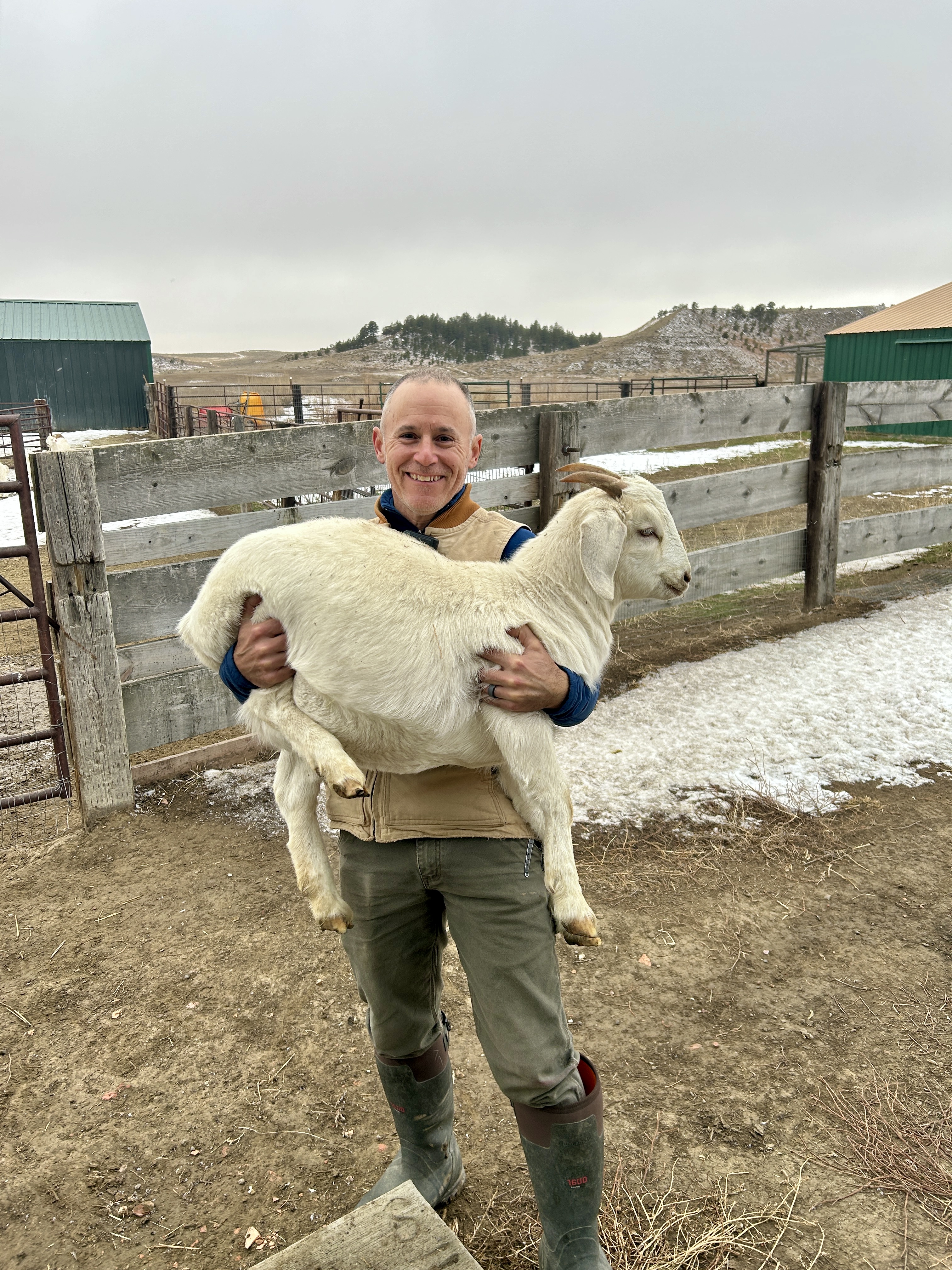
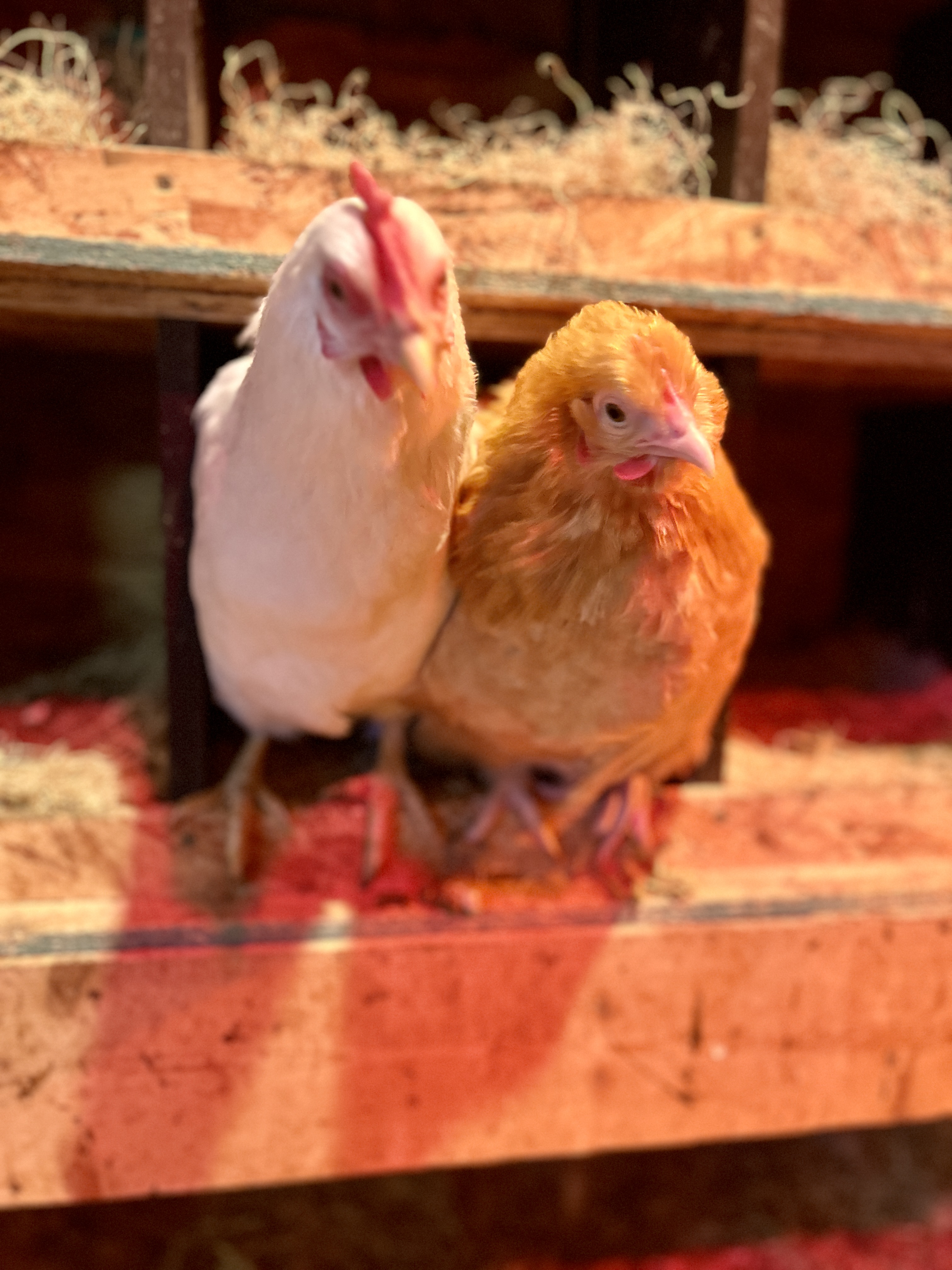
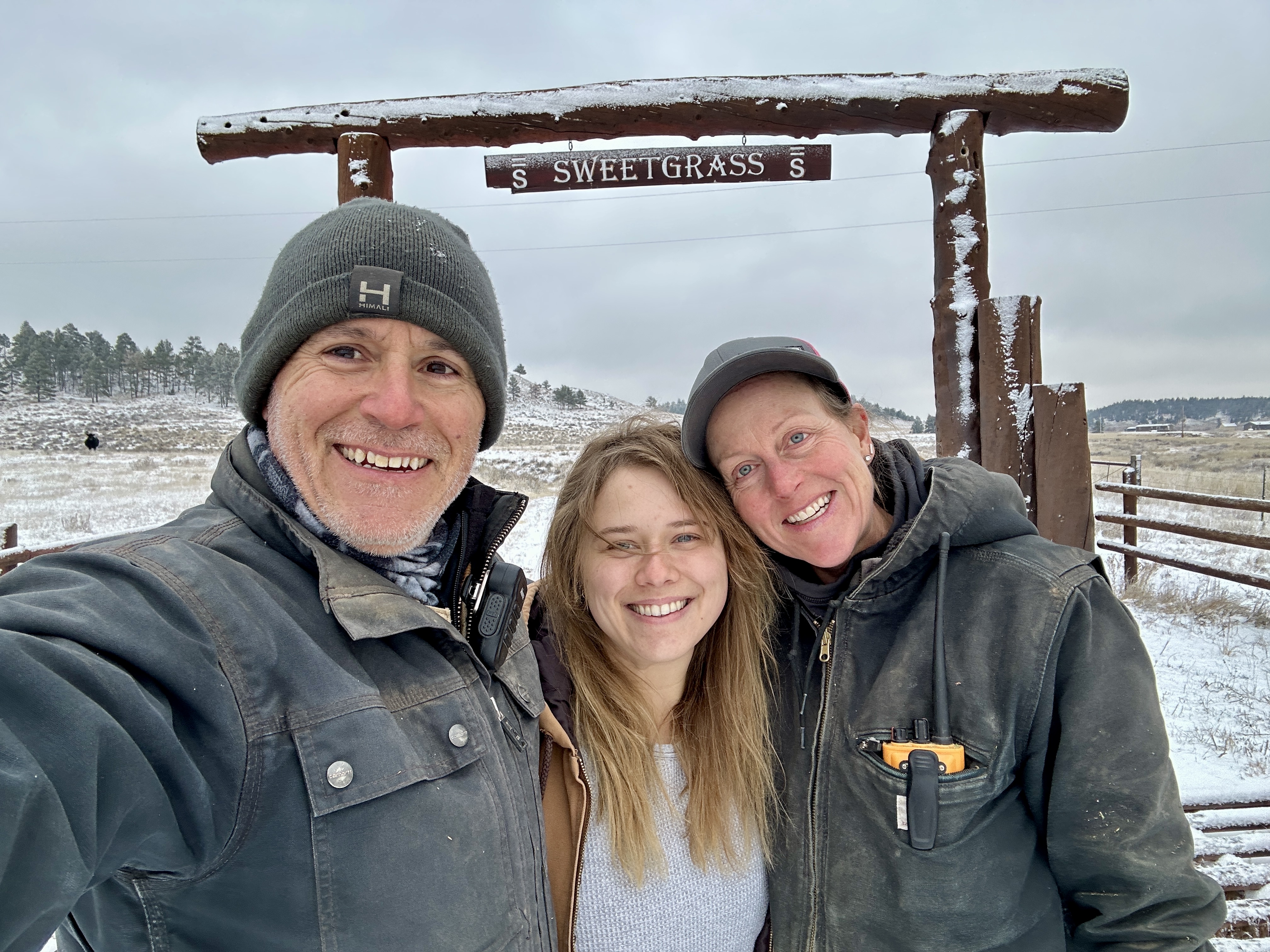

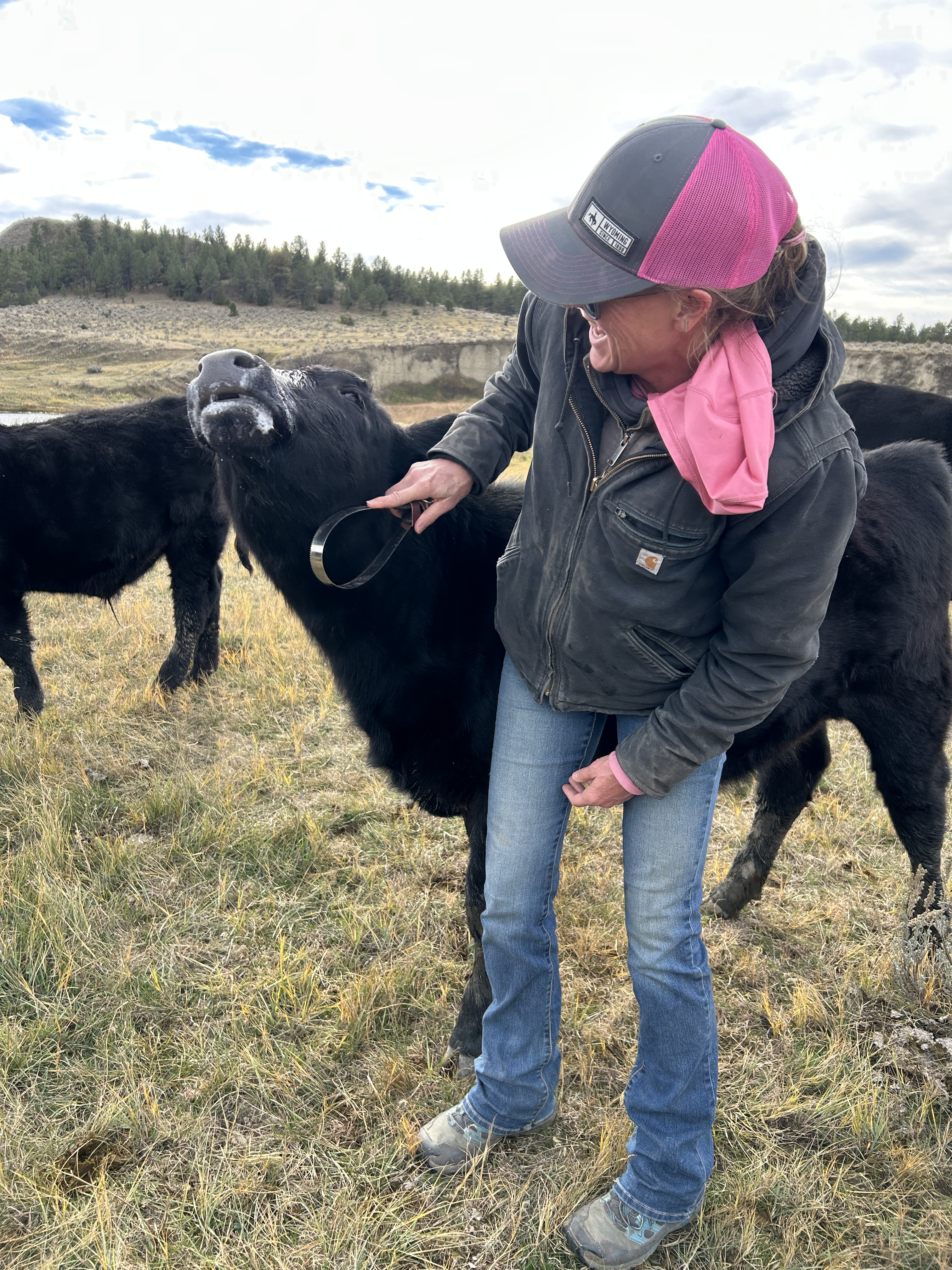

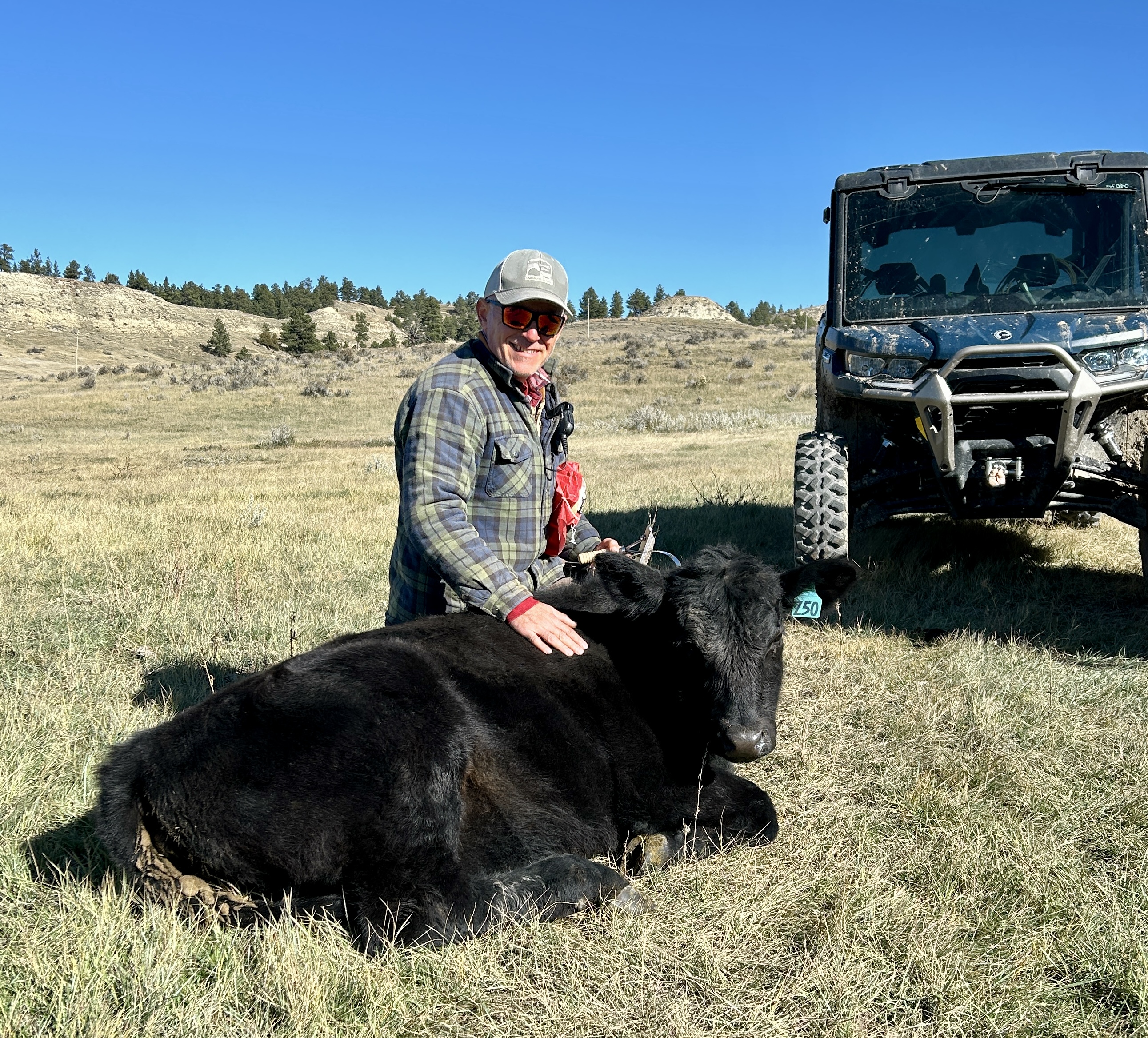
However, 4 months into our tenure, the owners told us they were putting the ranch on the market, which puts us in an unstable position. Nevertheless, we continued working hard through their bird-hunting season.
Now, we are the only ones working on the ranch, caring for animals seven days a week. We hope the winter will provide us some time to reenergize, grieve, and heal from the losses, exhaustion, and burnout that plagued us in 2025.
We need to rest, reflect, and have time to reconnect with ourselves and each other. This year has taught us how fragile and unpredictable life can be—and how important it is to give ourselves permission to pause and recover. Even in the midst of such loss, we are still very lucky and deeply grateful for the love, support, and memories we have shared. As we step into this season of rest, we hope to find moments of peace and perhaps, in time, a renewed sense of purpose.
 It's a Gavination